Quote · Added 14 February 2026
Explore
Reading
AI generatedYour power starts after acceptance
We all know the feeling of waking up to circumstances we didn't choose. Your family background, your early opportunities, your health, the economic moment you were born into—these aren't your doing. It's tempting to stop there, to treat life like a rigged game we're powerless in. But Voltaire's point cuts through that helplessness: yes, some things arrive uninvited, but what happens next is entirely yours.
The tricky part is that this truth doesn't let us off the hook in either direction. We can't blame everything on our starting position, but we also can't ignore that some people genuinely deal with harder hands. A person born into poverty faces different odds than someone with family wealth. Recognizing that reality doesn't contradict Voltaire—it just clarifies what "playing the cards" actually means. It's not about pretending everyone starts equal. It's about understanding that agency exists precisely where choice exists, which is usually more places than we admit.
What makes this relevant now is how often we get stuck between victimhood and denial. We either fixate on what we couldn't control, or we demand that everyone pull themselves up the same way. The real skill—the one that takes actual courage—is honest assessment. See your cards clearly. Accept which ones you didn't choose. Then decide, deliberately, what you'll do next. That's where your power lives.
The author
All 85 quotes by Voltaire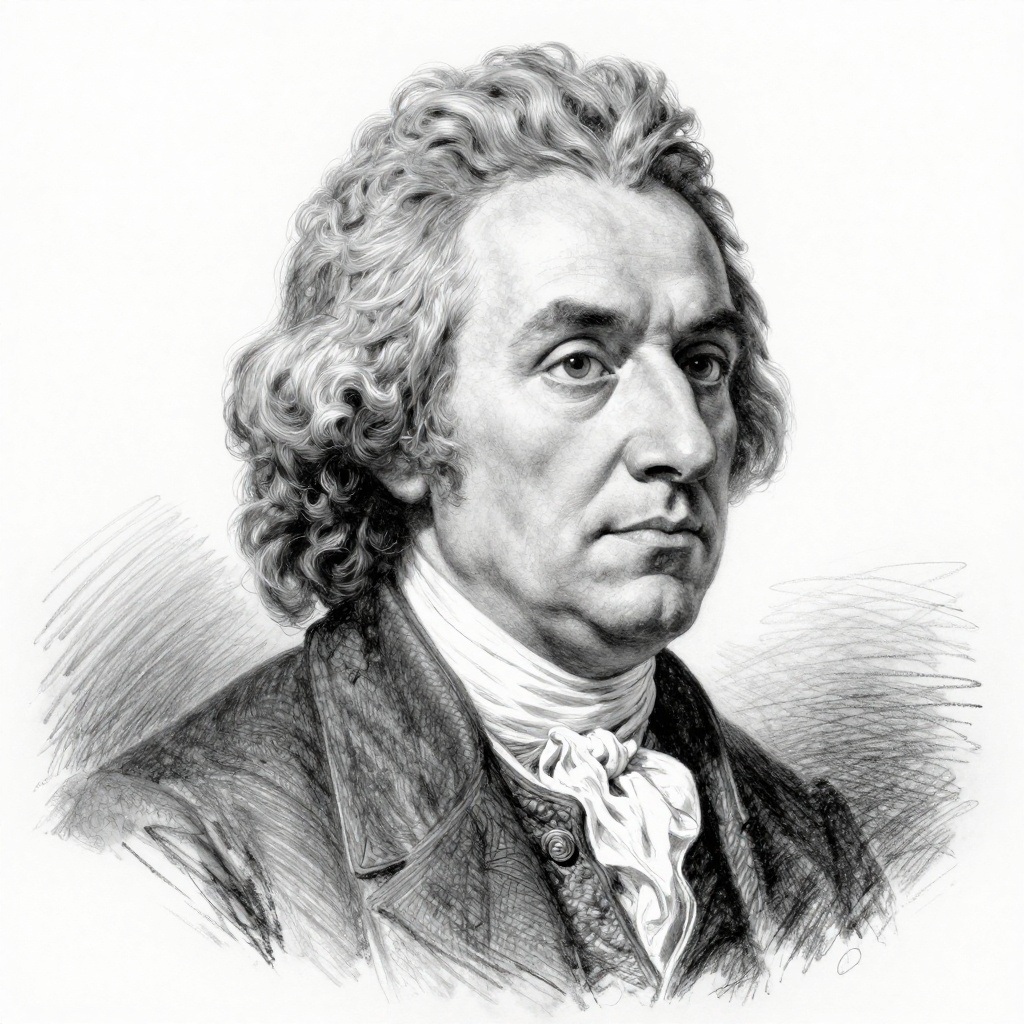
Voltaire
1694–1778·lived 83 years
Voltaire was an influential French philosopher, writer, and historian of the Enlightenment period. He is known for his wit, intelligence, and advocacy for freedom of speech, freedom of religion, and separation of church and state. Voltaire's works, including "Candide" and numerous essays, have had a lasting impact on literature and philosophy.
Comments