Quote · Added 17 February 2026
Doubt is an uncomfortable condition, but certainty is a ridiculous one.
Filed underdoubt·certainty·discomfort
Quote · Added 17 February 2026
Filed underdoubt·certainty·discomfort
We spend a lot of energy trying to escape doubt. We want to know we're making the right choice, raising our kids well, pursuing the career that matters. That discomfort of not-knowing feels like a problem to solve, so we latch onto whatever certainty we can find—a diet that promises results, a political belief that explains everything, a diagnosis that finally makes sense. The relief is real. But Voltaire's point cuts deeper: absolute certainty isn't actually comforting. It's brittle. It means you've stopped paying attention, stopped asking questions, and become oddly fragile the moment someone pokes a hole in your armor.
The trick is learning to sit with doubt differently. Not as something to white-knuckle through until you reach certainty, but as a sign that you're still thinking, still responsive to new information. Smart people—the ones who actually adapt and grow—tend to hold their convictions lightly. They're confident enough to act, but doubtful enough to listen. That's the real discomfort worth staying with. It's messy, but it keeps you honest.
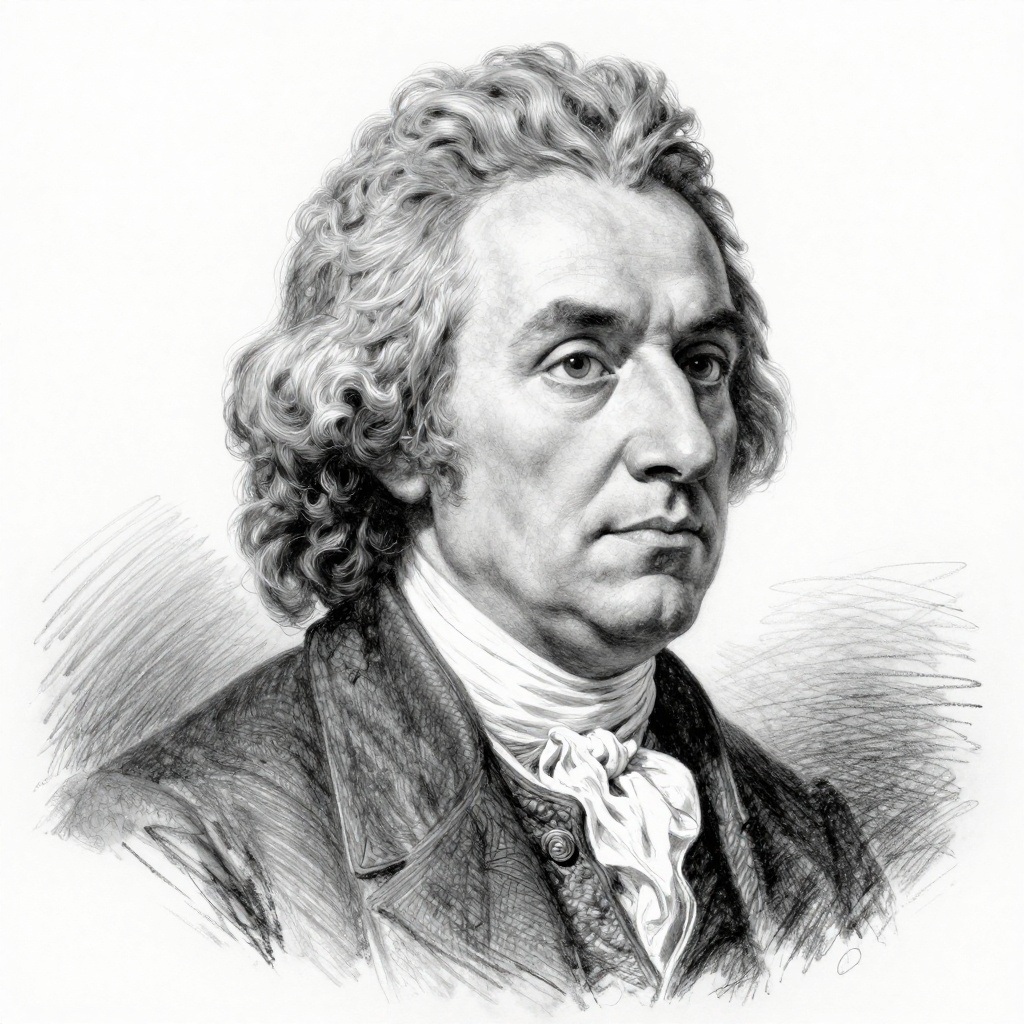
1694–1778·lived 83 years
Voltaire was an influential French philosopher, writer, and historian of the Enlightenment period. He is known for his wit, intelligence, and advocacy for freedom of speech, freedom of religion, and separation of church and state. Voltaire's works, including "Candide" and numerous essays, have had a lasting impact on literature and philosophy.
Comments