Quote · Added 14 February 2026
Clever tyrants are never punished.
VoltairePhilosophical Dictionary, 1764
Quote · Added 14 February 2026
There's something unsettling about this observation, because it suggests that getting away with something depends less on what you do and more on how skillfully you do it. A clumsy dictator leaves evidence, makes obvious enemies, pushes people too far too fast. But a clever one? They're three steps ahead—controlling the narrative, eliminating threats quietly, making oppression feel inevitable or even necessary. They understand the machinery of power so thoroughly that by the time people realize what's happened, the infrastructure of their control is already woven too deep to unravel.
What makes this relevant today isn't just about distant tyrants. We see it play out in smaller hierarchies: the boss who gets away with cruelty because they're smart enough to document everything in their favor. The manipulator who isolates their partner so gradually that no single moment looks like abuse. The corporation that exploits a loophole everyone missed. These aren't usually dramatic villains—they're people who understand the rules well enough to bend them without breaking them visibly.
The harder truth is that Voltaire's point cuts deeper than just warning us about bad actors. It suggests that justice and consequence aren't automatic forces in the universe. They depend on someone noticing, caring enough to act, and having enough power to make something stick. It's a reason to stay alert and to resist the comfortable assumption that wrongdoing always catches up with people eventually.
1694–1778·lived 83 years
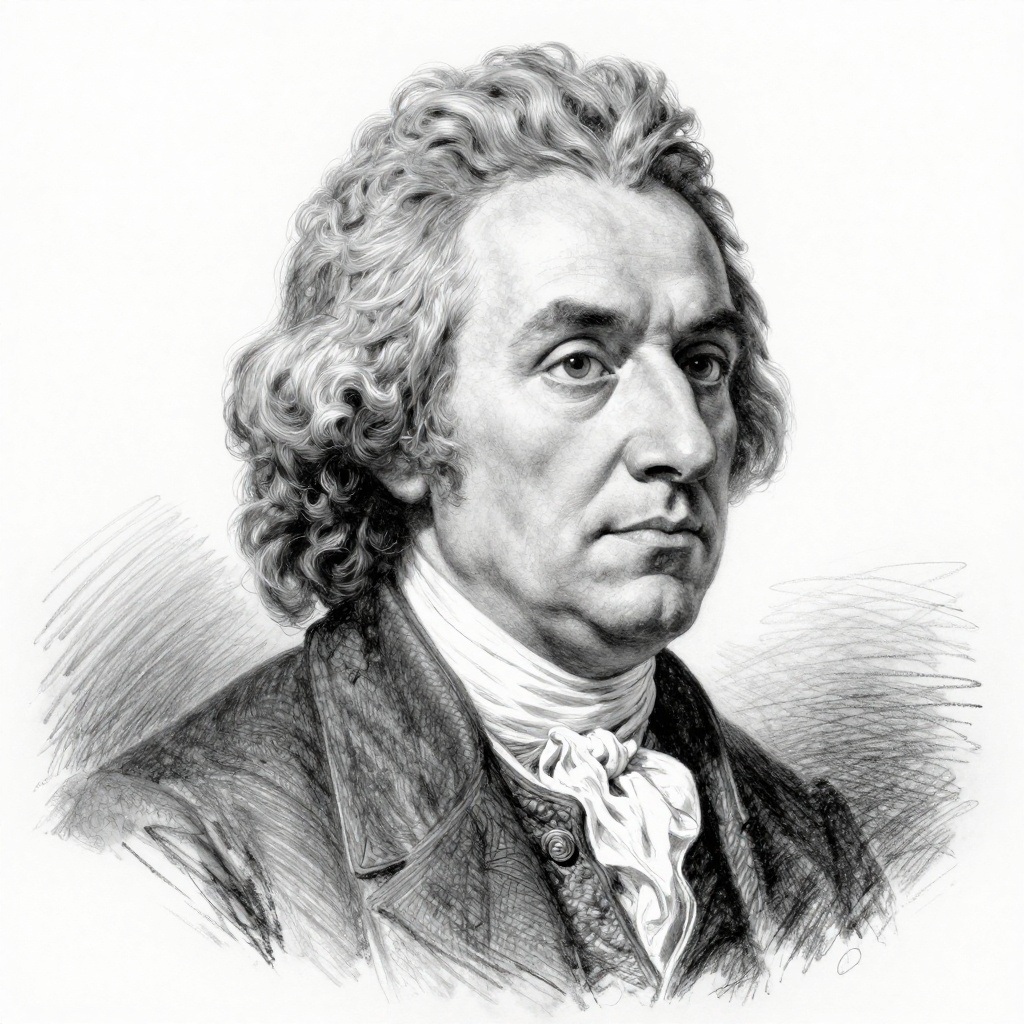
Voltaire was an influential French philosopher, writer, and historian of the Enlightenment period. He is known for his wit, intelligence, and advocacy for freedom of speech, freedom of religion, and separation of church and state. Voltaire's works, including "Candide" and numerous essays, have had a lasting impact on literature and philosophy.
Comments