Quote · Added 19 February 2026
Anything that is too stupid to be spoken is sung.
Filed undersong·expression·creativity
Quote · Added 19 February 2026
Filed undersong·expression·creativity
We've all felt the pull of a good song lyric that wouldn't survive five seconds if someone just said it to us directly. There's something about melody and rhythm that sneaks past our internal filters—the ones that normally catch us rolling our eyes at cheesy sentimentality or outright nonsense. A phrase like "you complete me" sounds unbearable in conversation, but set it to music and suddenly it lands differently. The melody does the heavy lifting that actual sense can't.
What's clever here is that Voltaire isn't just making fun of songs. He's pointing at how we use music as a permission structure for things we can't quite justify logically. We lean on it when we need to express something that defies reasonable argument—heartbreak, devotion, rage, or pure whimsy. The silliness becomes feature, not bug. A three-minute pop song can get away with contradictions that would collapse in a paragraph.
This matters because it suggests our rationality has limits we don't often admit. Some truths about being human are too fragmented or emotional to survive plain language. That doesn't make them false; it just means they need a different vehicle. Sometimes the feeling matters more than the logic, and maybe that's not a failure of thought—maybe it's a recognition that not everything worth believing can be defended in a debate.
1694–1778·lived 83 years
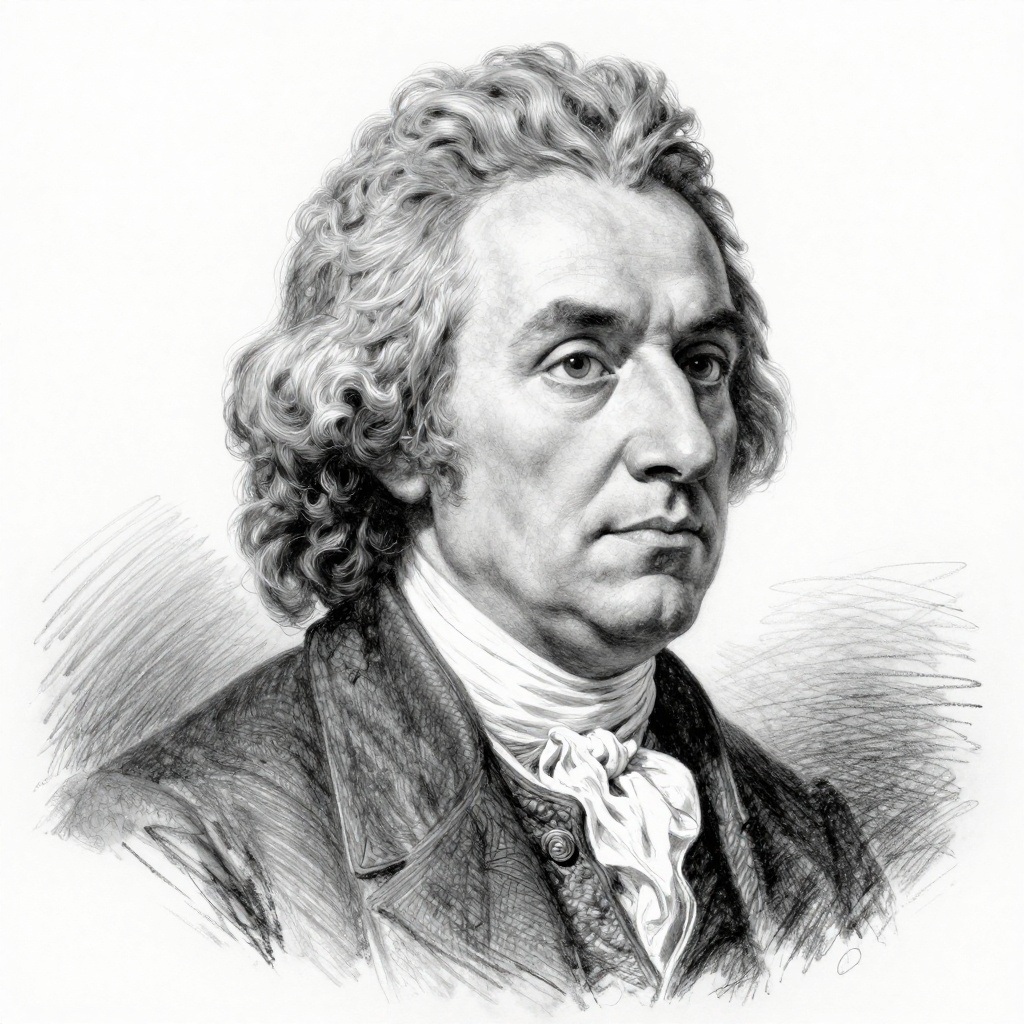
Voltaire was an influential French philosopher, writer, and historian of the Enlightenment period. He is known for his wit, intelligence, and advocacy for freedom of speech, freedom of religion, and separation of church and state. Voltaire's works, including "Candide" and numerous essays, have had a lasting impact on literature and philosophy.
Comments