Quote · Added 14 February 2026
A witty saying proves nothing.
VoltairePhilosophical Dictionary, 1764
Quote · Added 14 February 2026
We live in an age of one-liners. A perfectly timed joke can get thousands of likes, a clever retort wins the argument in a group chat, and wit has become something close to currency in how we signal intelligence. But here's what Voltaire understood: being funny doesn't mean being right. A sharp observation can feel like truth precisely because it's satisfying to hear—it clicks into place, makes us laugh, feels clever. That sensation of delight tricks us into thinking we've actually learned something.
This matters because wit is genuinely persuasive, maybe more so than careful reasoning. A cynical quip about relationships or politics is more memorable than a nuanced explanation. We share the witty take, not the qualified one. The problem is that wit often works by oversimplifying, by finding the gap between what we pretend to believe and what we actually do, then pointing at it sharply. That gap is real—but pointing at it isn't the same as fixing it or understanding it fully.
The non-obvious part: Voltaire himself was wickedly funny. He wasn't anti-wit; he was warning against mistaking cleverness for thinking. The best wit, it turns out, works best when it's backed by something substantial underneath.
1694–1778·lived 83 years
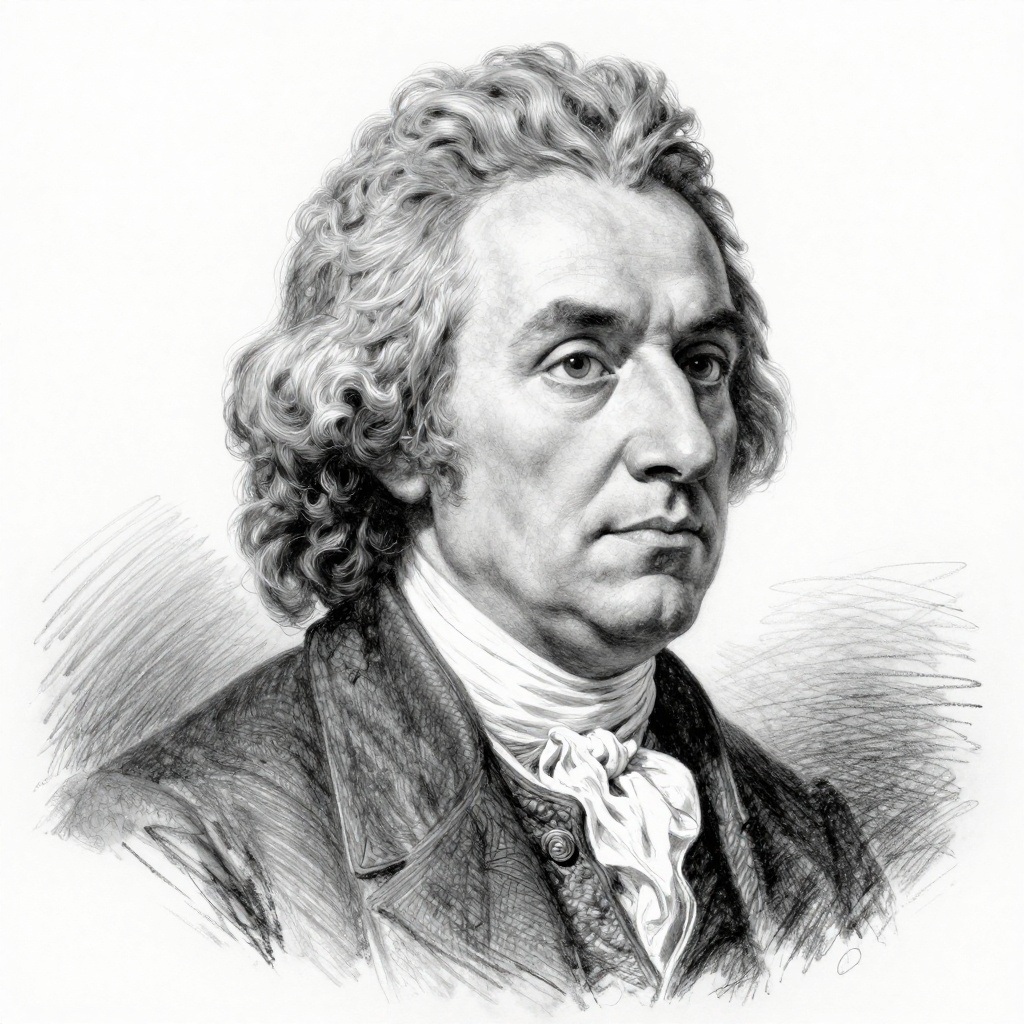
Voltaire was an influential French philosopher, writer, and historian of the Enlightenment period. He is known for his wit, intelligence, and advocacy for freedom of speech, freedom of religion, and separation of church and state. Voltaire's works, including "Candide" and numerous essays, have had a lasting impact on literature and philosophy.
Comments