I experience a period of frightening clarity in those moments when nature is so beautiful. I am no longer sure... — Vincent van Gogh

I experience a period of frightening clarity in those moments when nature is so beautiful. I am no longer sure of myself, and the paintings appear as in a dream.

Author: Vincent van Gogh

Insight: There's something disorienting about moments of real beauty—the kind that stops you mid-thought. Van Gogh is describing something most of us have felt but rarely name: that when something genuinely moves us, we lose our grip on certainty. We become uncertain not because we're confused, but because beauty reveals how small and temporary our usual sense of control actually is. In those moments, we're not thinking clearly in the practical sense; we're thinking differently, more honestly. This matters now because we're so used to documenting and categorizing beauty—turning it into content, ranking it, moving on. But Gogh suggests that real encounters with beauty should unsettled us, should make us question our footing. That "frightening clarity" is what happens when you can't hide behind routine or analysis. You're just there, witnessing something, and it reshapes you slightly. The deeper insight is that this loss of certainty isn't a weakness—it's actually where genuine creativity and growth happen. When we're no longer sure of ourselves, we're finally open to seeing differently. The paintings appear as in a dream because we've stopped insisting on what we already know. For anyone trying to create something, love someone, or understand themselves better, that willingness to be unsettled by beauty might be exactly what's needed.
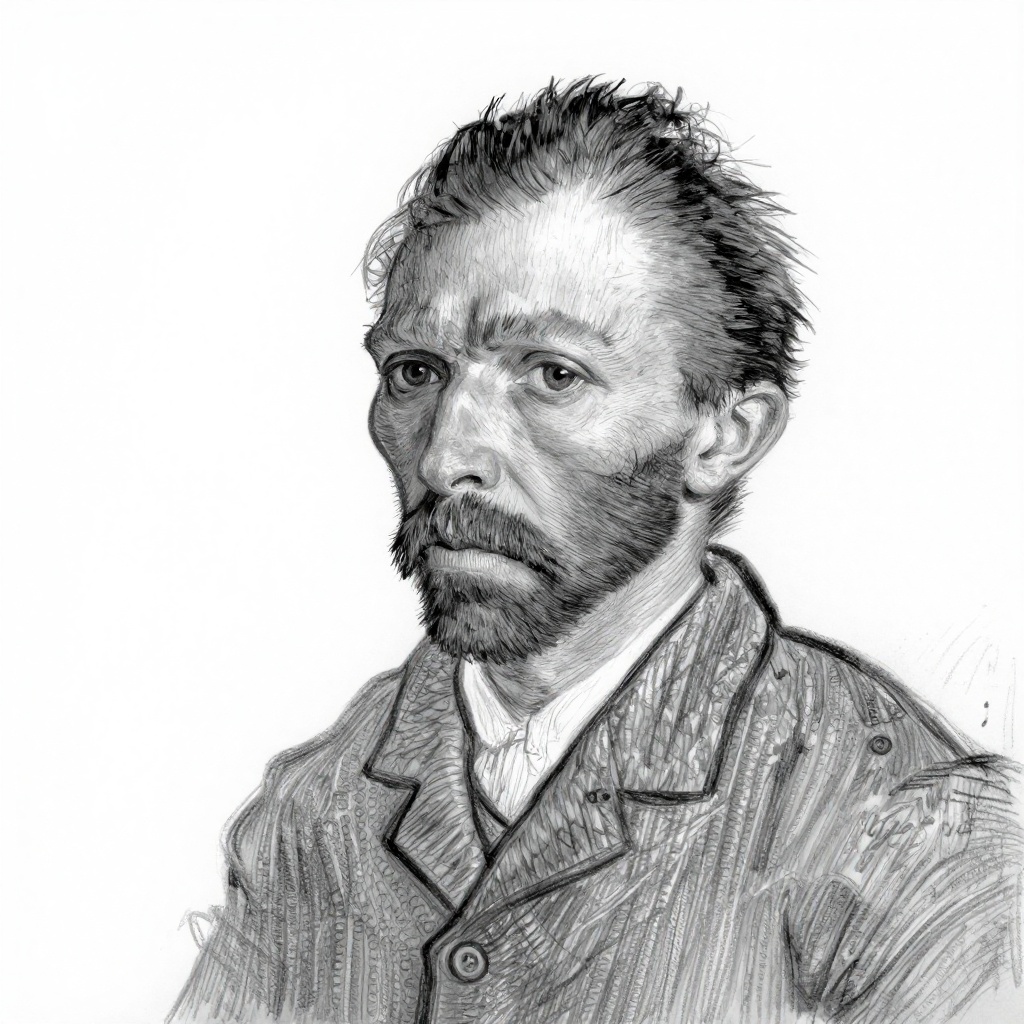
Beauty unmakes what you thought you knew

I experience a period of frightening clarity in those moments when nature is so beautiful. I am no longer sure of myself, and the paintings appear as in a dream.

There's something disorienting about moments of real beauty—the kind that stops you mid-thought. Van Gogh is describing something most of us have felt but rarely name: that when something genuinely moves us, we lose our grip on certainty. We become uncertain not because we're confused, but because beauty reveals how small and temporary our usual sense of control actually is. In those moments, we're not thinking clearly in the practical sense; we're thinking differently, more honestly.

This matters now because we're so used to documenting and categorizing beauty—turning it into content, ranking it, moving on. But Gogh suggests that real encounters with beauty should unsettled us, should make us question our footing. That "frightening clarity" is what happens when you can't hide behind routine or analysis. You're just there, witnessing something, and it reshapes you slightly.

The deeper insight is that this loss of certainty isn't a weakness—it's actually where genuine creativity and growth happen. When we're no longer sure of ourselves, we're finally open to seeing differently. The paintings appear as in a dream because we've stopped insisting on what we already know. For anyone trying to create something, love someone, or understand themselves better, that willingness to be unsettled by beauty might be exactly what's needed.

AI generated

Comments

Sign in to leave a comment or reply to one.

Sign in

Vincent van Gogh

Vincent van Gogh (1853–1890) was a Dutch post-impressionist painter known for his vivid use of color and expressive brushwork. Despite struggling with mental health issues throughout his life, he created over 2,000 artworks, including iconic pieces like "Starry Night" and "Sunflowers," which have had a lasting impact on the world of art.

Graph

Related