Quote · Added 15 March 2026
If I am worth anything later, I am worth something now. For wheat is wheat, even if people think it is a grass in the beginning.
Filed underworth·potential·perception
Quote · Added 15 March 2026
Filed underworth·potential·perception
We tend to put our lives on hold, waiting for the moment when we'll finally "arrive"—when we'll have enough credentials, enough money, enough proof that we matter. Van Gogh's bluntness cuts through that completely. If you're going to be valuable later, you're already valuable now. The value doesn't materialize out of nowhere when circumstances change.
What's tricky is that nobody else might see it yet. People around you might dismiss what you're building or pursuing, just as they might mistake wheat for grass before it fully grows. That mismatch—between what you know about yourself and what others perceive—is genuinely disorienting. It's easier to believe you're nothing when no one's paying attention. But Van Gogh's point is that their blindness doesn't change your substance. You're not becoming wheat when success arrives; you either are or you aren't from the start.
The harder work, then, isn't proving yourself to others. It's believing in your own wheat-ness while you're still just a green shoot that looks like everything else. That belief is what keeps you moving forward when validation hasn't shown up yet.
1853–1890·lived 37 years
Vincent van Gogh (1853–1890) was a Dutch post-impressionist painter known for his vivid use of color and expressive brushwork. Despite struggling with mental health issues throughout his life, he created over 2,000 artworks, including iconic pieces like "Starry Night" and "Sunflowers," which have had a lasting impact on the world of art.
Also by Vincent van Gogh
Someone has a great fire in his soul and nobody ever comes to warm themselves at it, and p...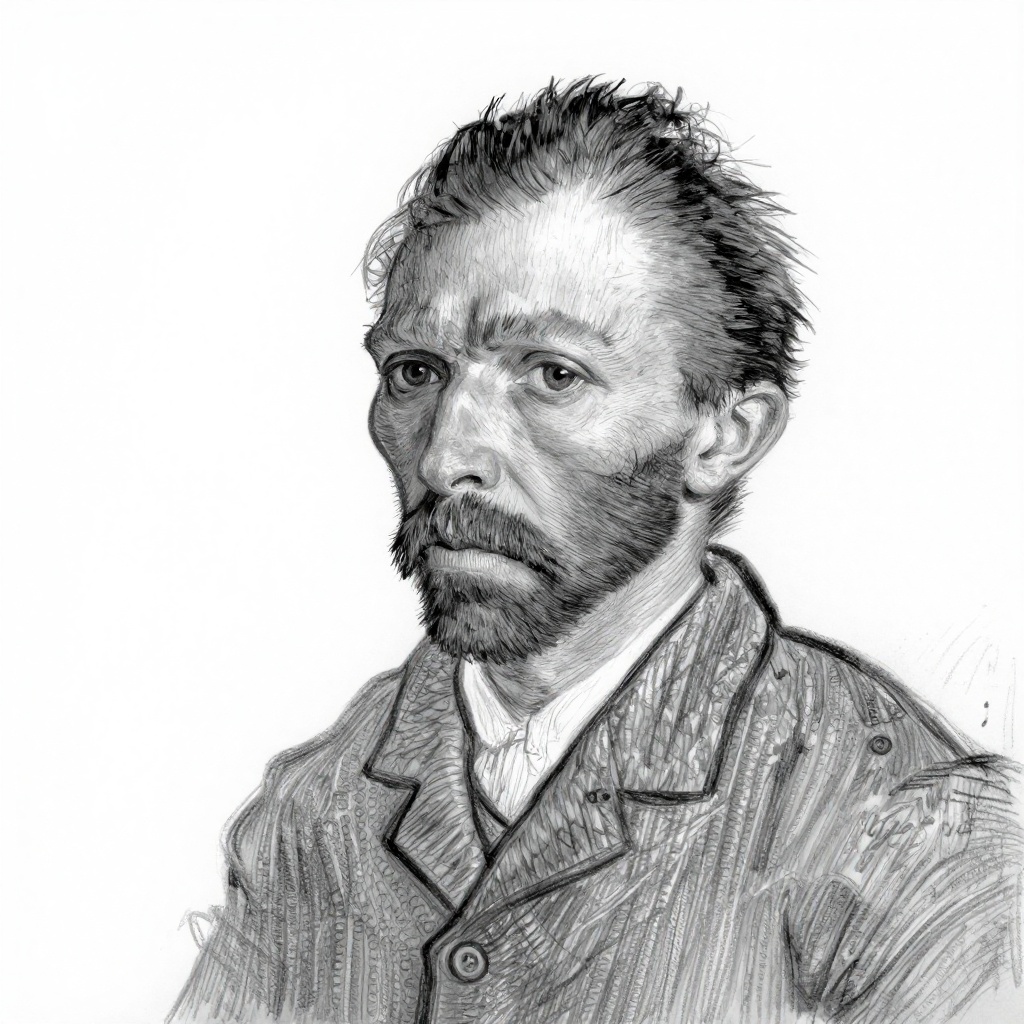
Comments