Quote · Added 14 February 2026
I am still far from being what I want to be, but with God's help I shall succeed.
Vincent van GoghTo Theo van Gogh, Isleworth, Saturday, 26 August 1876, Vincent van Gogh Letters
Filed undergod·aspiration·perseverance
Quote · Added 14 February 2026
Filed undergod·aspiration·perseverance
There's something quietly radical about admitting you're not there yet while also refusing to despair about it. Van Gogh wasn't being modest or fishing for reassurance—he was describing the actual condition of being alive and growing. Most of us spend energy either pretending we've already arrived or sinking into shame about the gap between who we are and who we want to be. Both moves are traps. The first breeds complacency; the second breeds paralysis.
What makes this quote stick is that it holds two truths at once: honest self-assessment and genuine hope. That's harder than it sounds. Hope without honesty is just wishful thinking. But honesty without hope is just despair dressed up as realism. Van Gogh managed to look squarely at his struggles—his isolation, his mental anguish, the rejection he faced—and still believe that continuation was possible. That belief wasn't naive. It was fuel.
The "with God's help" part doesn't require religious belief to land. The point is recognizing that you can't do it alone, that something larger than your own willpower and discipline matters. Maybe that's faith, maybe it's community, maybe it's simply admitting that becoming who you want to be is a long, collaborative process, not a solo achievement. Either way, it reframes the gap between here and there not as a personal failure but as the actual terrain of a life worth living.
1853–1890·lived 37 years
Vincent van Gogh (1853–1890) was a Dutch post-impressionist painter known for his vivid use of color and expressive brushwork. Despite struggling with mental health issues throughout his life, he created over 2,000 artworks, including iconic pieces like "Starry Night" and "Sunflowers," which have had a lasting impact on the world of art.
Also by Vincent van Gogh
Someone has a great fire in his soul and nobody ever comes to warm themselves at it, and p...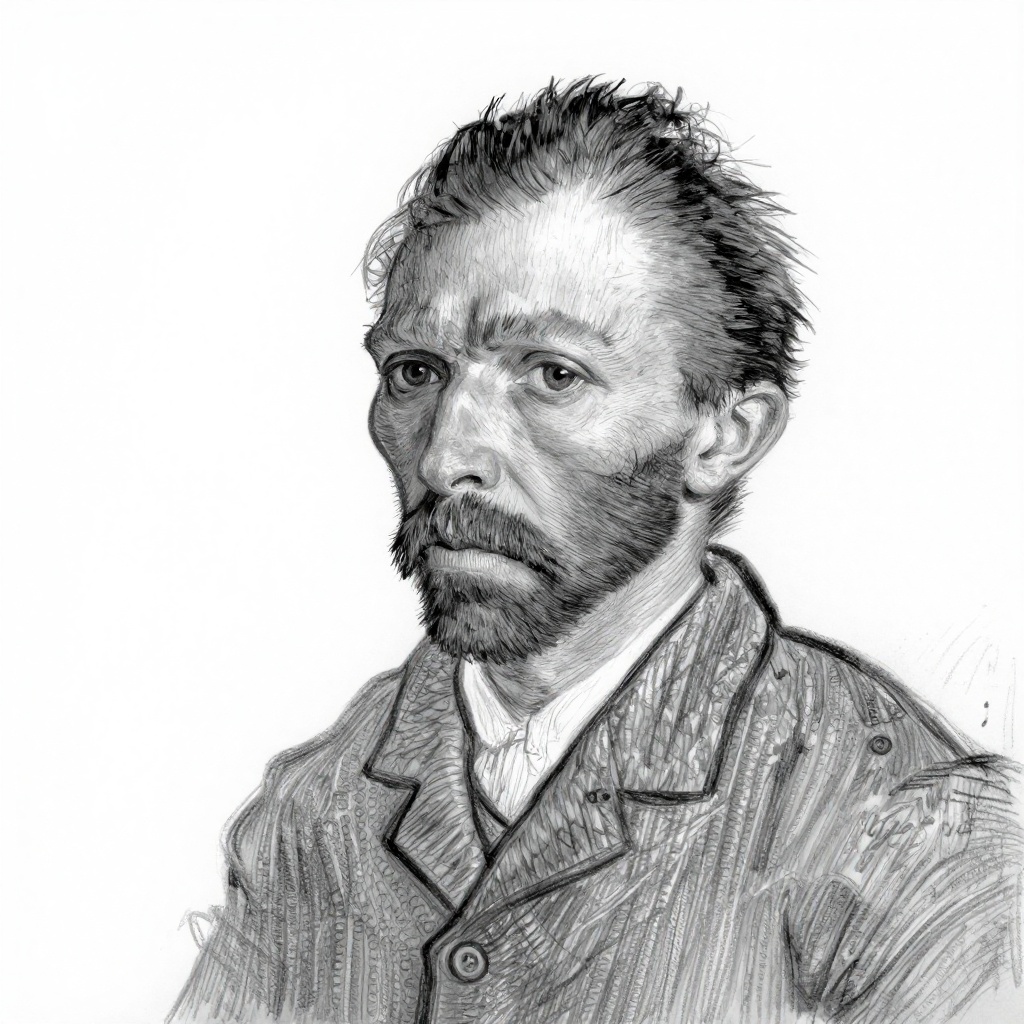
Comments