Quote · Added 15 February 2026
An intelligent hell would be better than a stupid paradise.
No ratings yet
Filed underhell·intelligence·paradise
Quote · Added 15 February 2026
Filed underhell·intelligence·paradise
We spend a lot of time chasing comfort—the paradise part—without asking what we'd have to give up to get it. Hugo's point cuts against that. He's saying that a life where you're mentally alive, even if it's harder and messier, beats a life where everything is smooth but you're basically sleepwalking through it.
Think about the job that pays well but leaves you numb. Or the relationship that's easy but never really challenges you. Or scrolling through curated happiness online while your own mind atrophies. Those can feel like stupid paradises—safe, but slowly suffocating. By contrast, a difficult but intellectually engaged life, even one full of struggle and confusion, keeps you sharp. It keeps you human in a way that pure comfort can't.
The non-obvious part? Hugo isn't glorifying suffering. He's not saying struggle for its own sake is noble. He's saying the quality of your inner life matters more than the quality of your circumstances. You can be in hell—facing real hardship, confusion, even failure—and still be better off than someone in paradise who's stopped thinking, stopped questioning, stopped growing. That distinction still matters when we're tempted to choose the easy path.
1802–1885·lived 83 years
Victor Hugo was a renowned French novelist, poet, and playwright, widely regarded as one of the greatest Romantic writers of the 19th century. He is best known for his works "Les Misérables" and "The Hunchback of Notre-Dame," which have left a lasting impact on French literature and culture.
Also by Victor Hugo
Forty is the old age of youth; fifty the youth of old age.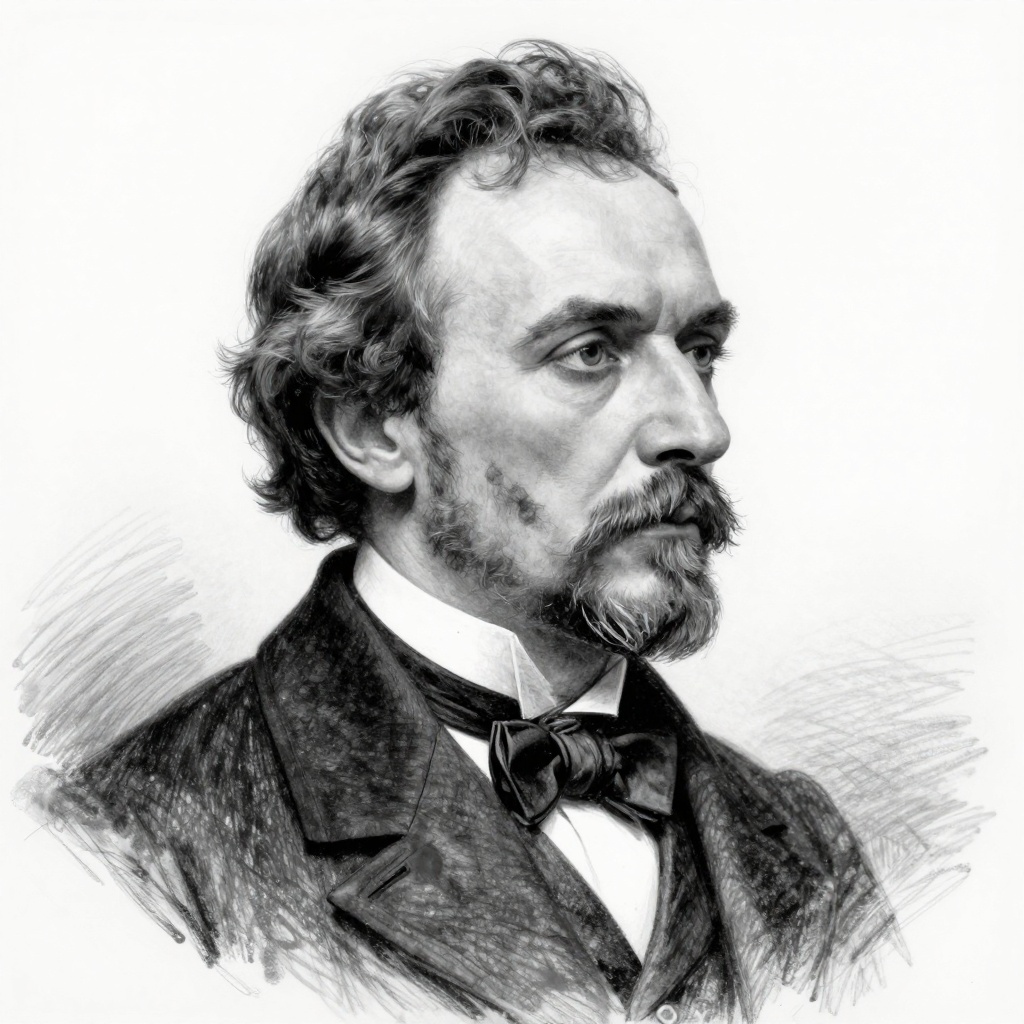
Comments