Quote · Added 14 February 2026
Forty is the old age of youth; fifty the youth of old age.
No ratings yet
Filed underage·youth·transition
Quote · Added 14 February 2026
Filed underage·youth·transition
There's something disorienting about hitting certain ages, especially when you realize the person who felt impossibly old to you as a kid is now impossibly young by your current standards. Hugo is capturing that strange middle ground where you're no longer young but can't quite claim to be old either—and how that boundary keeps moving the moment you cross it.
At forty, you've accumulated enough responsibility and self-awareness to feel genuinely adult, but your body still mostly works and your energy hasn't abandoned you. It's when youth starts to feel like a country you're emigrating from rather than one you've already left. By fifty, something shifts: you've made peace with certain things, stopped performing for audiences that stopped watching anyway, and oddly feel more alive because of it. The exhaustion of trying becomes less interesting than the satisfaction of just being.
The real insight isn't about calendar math—it's that we're always aging in two directions at once. We're simultaneously mourning what we're losing and discovering freedoms we didn't know were waiting. The trick isn't stopping either process but recognizing that what looks like decline from one angle looks like arrival from another. Your forties and fifties aren't a compromise between youth and age; they're their own country entirely.
1802–1885·lived 83 years
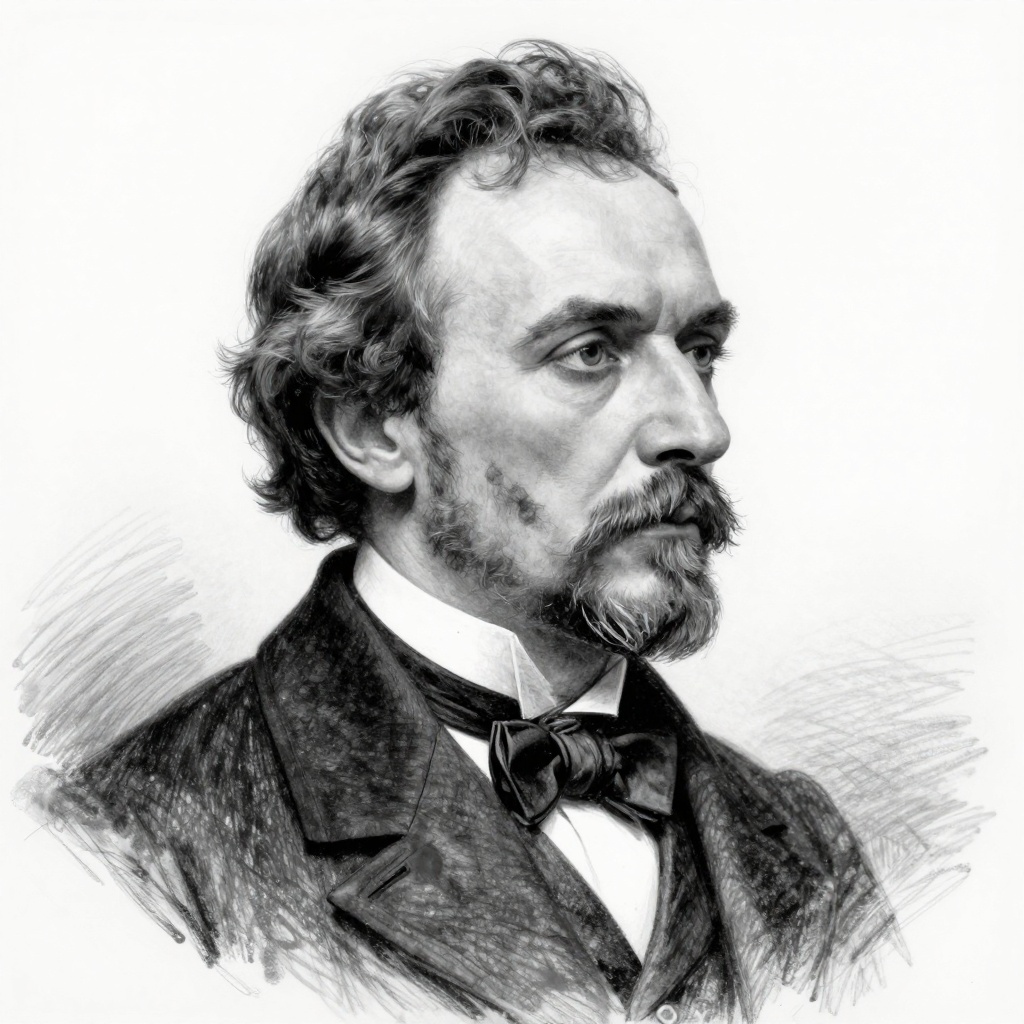
Victor Hugo was a renowned French novelist, poet, and playwright, widely regarded as one of the greatest Romantic writers of the 19th century. He is best known for his works "Les Misérables" and "The Hunchback of Notre-Dame," which have left a lasting impact on French literature and culture.
Comments · 1
Comforting thought.