Quote · Added 17 April 2024
He who dares not offend cannot be honest.
Thomas PaineThe Forester's Letters
Quote · Added 17 April 2024
There's a tension most of us feel between being a good person and being an honest one. We've been trained to smooth things over, to protect people's feelings, to keep the peace. But sometimes that means swallowing what we actually think—which isn't kindness, it's just avoidance dressed up as politeness.
The real sting of this idea is that total honesty requires a kind of courage that offending people inevitably demands. If you're always worried about hurting someone's feelings or disappointing them, you're not really free to say what's true. You're performing a version of yourself instead. That might make things easier in the moment, but it erodes real relationships. The people closest to you don't know what you actually believe. And you don't get to be fully yourself.
This doesn't mean bluntness for its own sake, or weaponizing honesty as an excuse to be cruel. It means recognizing that genuine connection requires risk. Sometimes the kindest thing is telling someone something hard rather than letting them believe a comfortable lie. Sometimes standing by your actual beliefs will disappoint people. That's not a failure of character—it might be the first sign that you actually have one.
1737–1809·lived 72 years
Thomas Paine was an English-born American political activist, philosopher, and revolutionary. He is best known for his influential pamphlet "Common Sense," which advocated for American independence from British rule. Paine's writings and ideals played a significant role in shaping the American Revolution and promoting democratic governance.
Also by Thomas Paine
If there must be trouble, let it be in my day, that my child may have peace.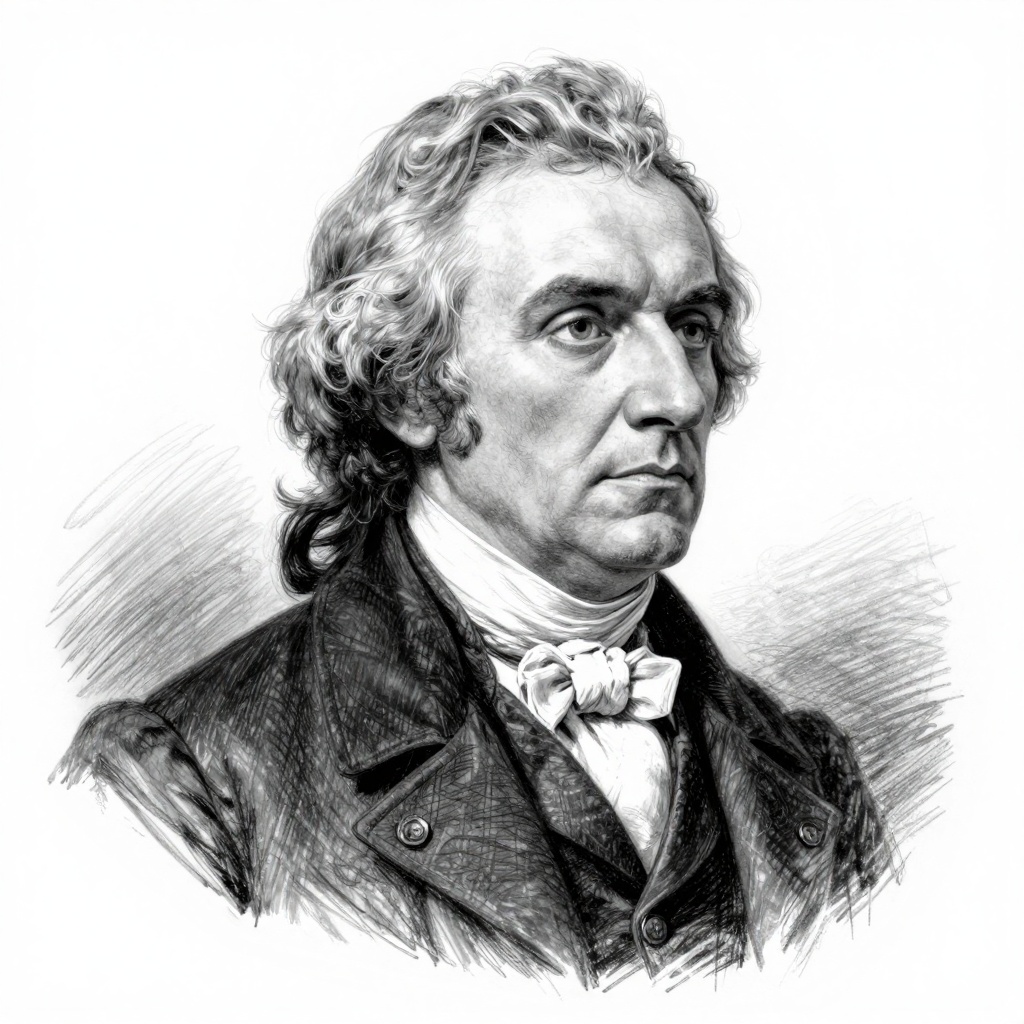
Comments