Quote · Added 14 February 2026
I die the king's faithful servant, but God's first.
Thomas MoreSir Thomas More, Historic UK
No ratings yet
Quote · Added 14 February 2026
There's a quiet power in putting your loyalty in order. Thomas More wasn't being defiant or dramatic when he said this—he was naming something we all face, usually in smaller ways. We're pulled between competing loyalties constantly: to our jobs and to our values, to fitting in and to what we actually believe, to keeping the peace and to speaking up.
The tricky part isn't choosing between good and evil. It's choosing between two things that both matter, when they conflict. More faced the ultimate version—he chose his conscience over his life. But you see the same tension when someone quits a job they're good at because it compromises something they won't compromise on, or when they disappoint people they love because they won't pretend to believe something they don't.
The insight that catches people off guard is this: clarity about your bottom line doesn't come from being extreme or rigid. It comes from actually knowing what you serve first. More served God first, which made his answer about the king clear. Without that anchor, we just negotiate ourselves into smaller and smaller spaces, trying to please everyone. Putting your priorities in order isn't selfish—it's the only way to be genuinely loyal to anything that matters.
1478–1535·lived 57 years
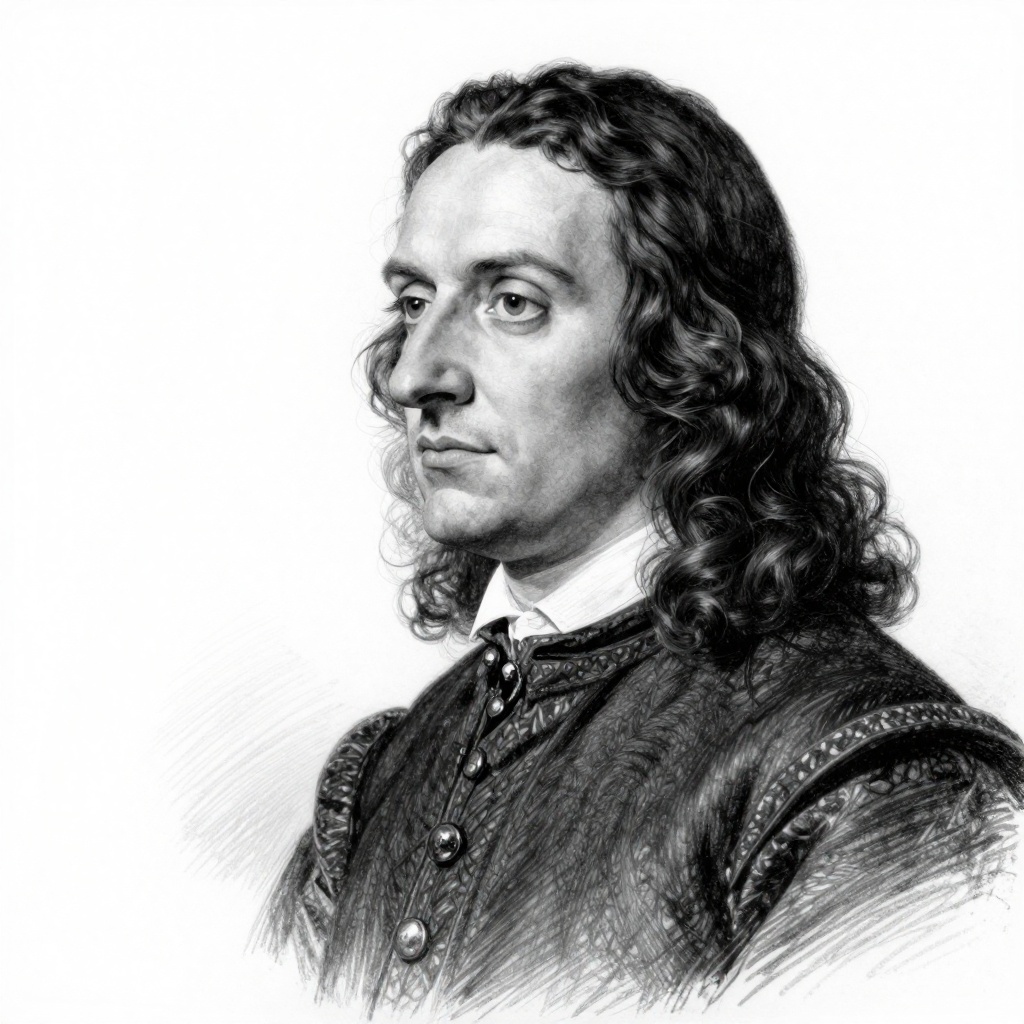
Thomas More (1478-1535) was an English statesman, lawyer, and humanist best known for his book "Utopia," which describes an ideal society and critiques contemporary politics and religion. He served as Lord Chancellor of England and was a notable opponent of King Henry VIII's separation from the Catholic Church, ultimately leading to his execution for treason. More is remembered as a martyr for his faith and is canonized as a saint in the Catholic Church.
Comments