Quote · Added 14 February 2026
Whenever the people are well-informed, they can be trusted with their own government.
Thomas JeffersonLetter to Richard Price, January 8, 1789
Filed undergovernment·trust·knowledge
Quote · Added 14 February 2026
Filed undergovernment·trust·knowledge
We live in an era of information overload, yet we've never felt less certain about what's actually true. Jefferson's optimism about informed citizens feels almost quaint—until you realize he was pointing at something we still struggle with: the difference between having access to information and actually being informed. Having a thousand news sources means nothing if we're reading only the ones that confirm what we already believe, or if we're too exhausted to dig deeper than a headline.
The harder truth in Jefferson's words is that being well-informed requires real work. It means sitting with uncomfortable facts, changing your mind when evidence demands it, and resisting the urge to outsource your thinking to whoever shouts loudest. When we abdicate that responsibility—when we assume someone else will handle the details while we go about our day—we're essentially volunteering to be governed by whoever can best manipulate the information we do see.
This matters now because the stakes of collective ignorance have only grown. We vote on everything from healthcare to climate to school curriculum, and we can't blame the system if we won't do the legwork to understand it. Jefferson's real message isn't that democracy is guaranteed to work—it's that it only works when enough of us decide that understanding the world is worth the effort.
1743–1826·lived 83 years
Thomas Jefferson was an American Founding Father who served as the third President of the United States from 1801 to 1809. He is best known for being the primary author of the Declaration of Independence and for his advocacy of democracy, republicanism, and individual rights. Jefferson also founded the University of Virginia and was a prominent architect, inventor, and philosopher.
Also by Thomas Jefferson
I believe that every human mind feels pleasure in doing good to another.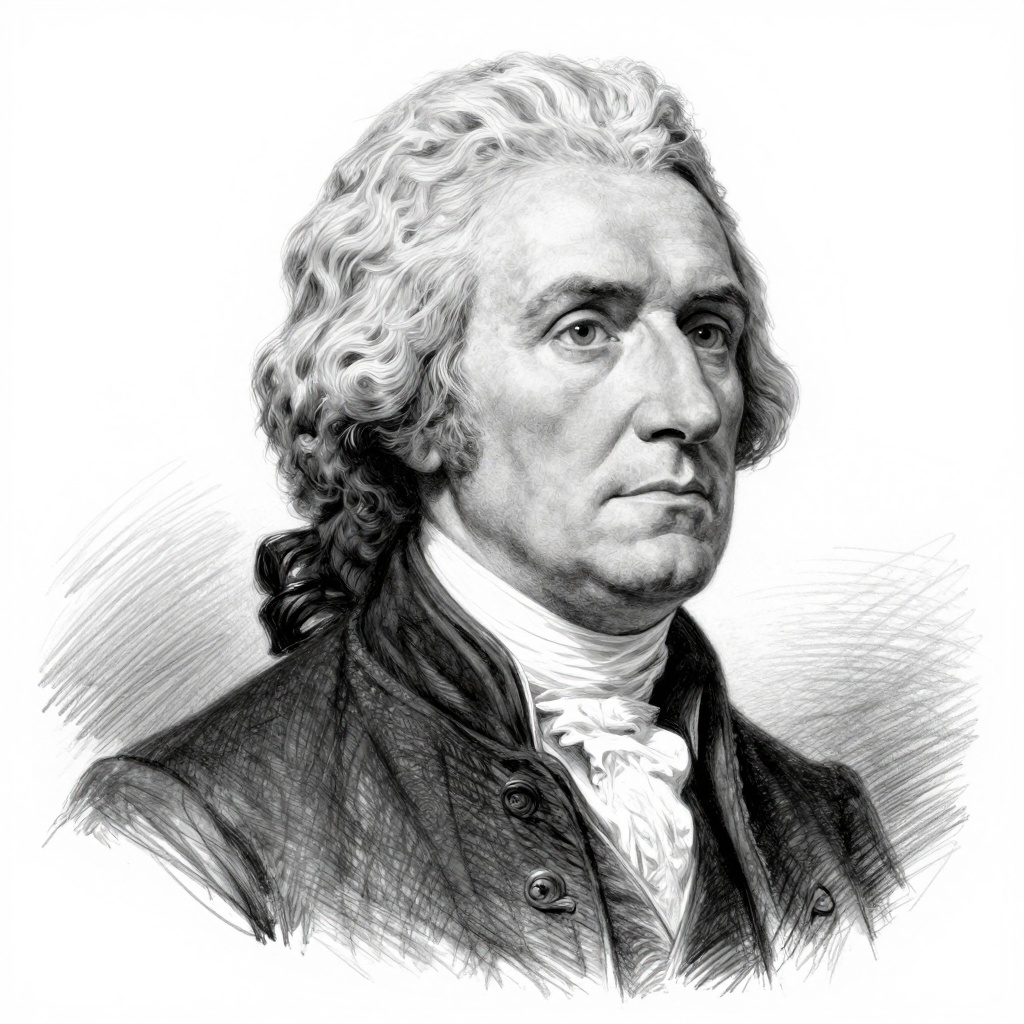
Comments