Quote · Added 11 February 2026
When angry count to ten before you speak. If very angry, count to one hundred.
Thomas JeffersonLetter to Thomas Jefferson Smith, Feb. 21, 1825
Filed underanger·patience·self-control
Quote · Added 11 February 2026
Filed underanger·patience·self-control
We live in a world designed to make us respond instantly. A text lands, and we feel the pull to fire back immediately. Someone cuts us off in traffic, and the insult rises to our lips before we can stop it. This old advice about counting still works because it does something simple but powerful: it creates space between what we feel and what we do.
The genius part isn't that counting magically erases anger. It's that it interrupts the automatic loop. When you count, you're doing something that requires just enough attention to break the momentum of rage. By the time you hit ten or one hundred, the sharp edge has dulled. You might still be upset, but now you're upset and thinking, not just upset and reacting. That's the difference between saying something you regret and actually addressing what bothered you.
What's slightly counterintuitive is that this isn't about suppressing your anger or pretending it doesn't matter. It's about giving yourself room to choose your response instead of letting anger choose it for you. The counting is just the tool. The real power is in recognizing that you have options, and that a few seconds of pause can reshape entire conversations.
1743–1826·lived 83 years
Thomas Jefferson was an American Founding Father who served as the third President of the United States from 1801 to 1809. He is best known for being the primary author of the Declaration of Independence and for his advocacy of democracy, republicanism, and individual rights. Jefferson also founded the University of Virginia and was a prominent architect, inventor, and philosopher.
Also by Thomas Jefferson
I believe that every human mind feels pleasure in doing good to another.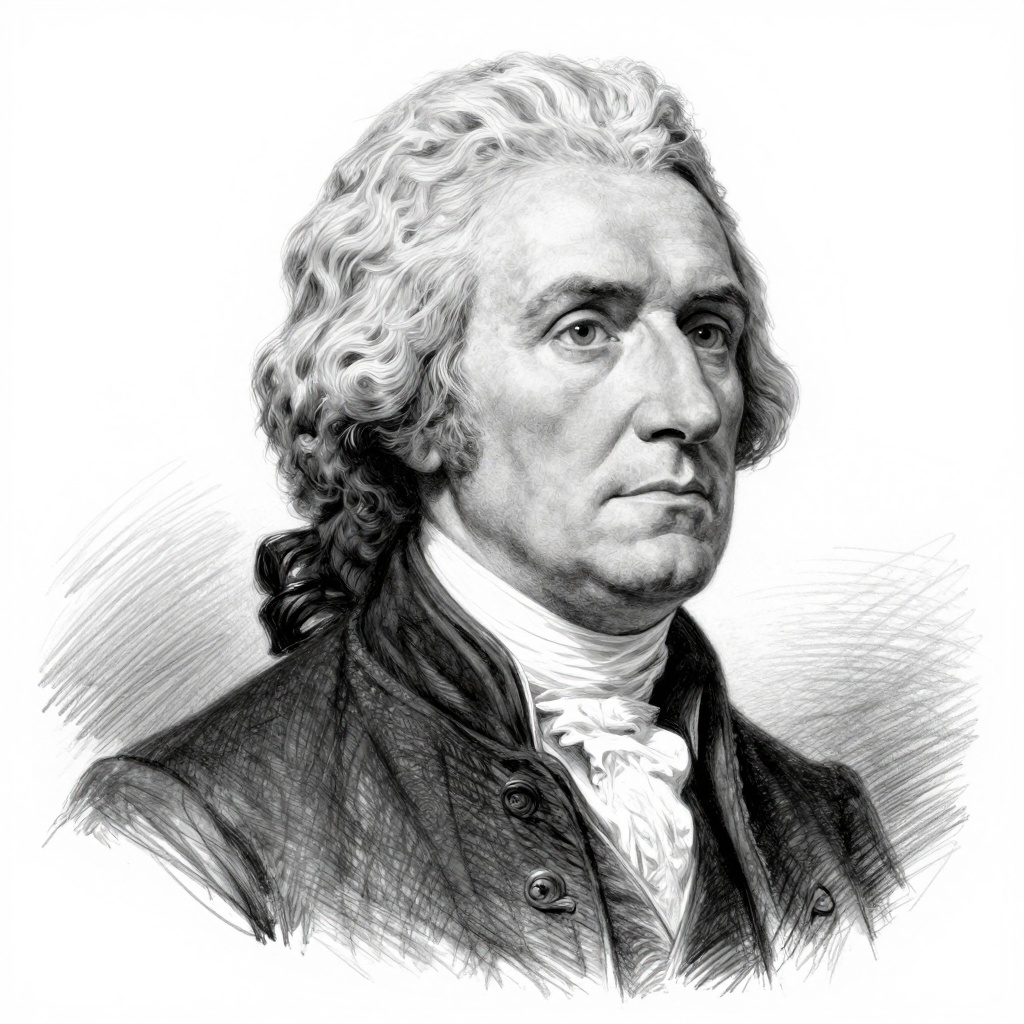
Comments