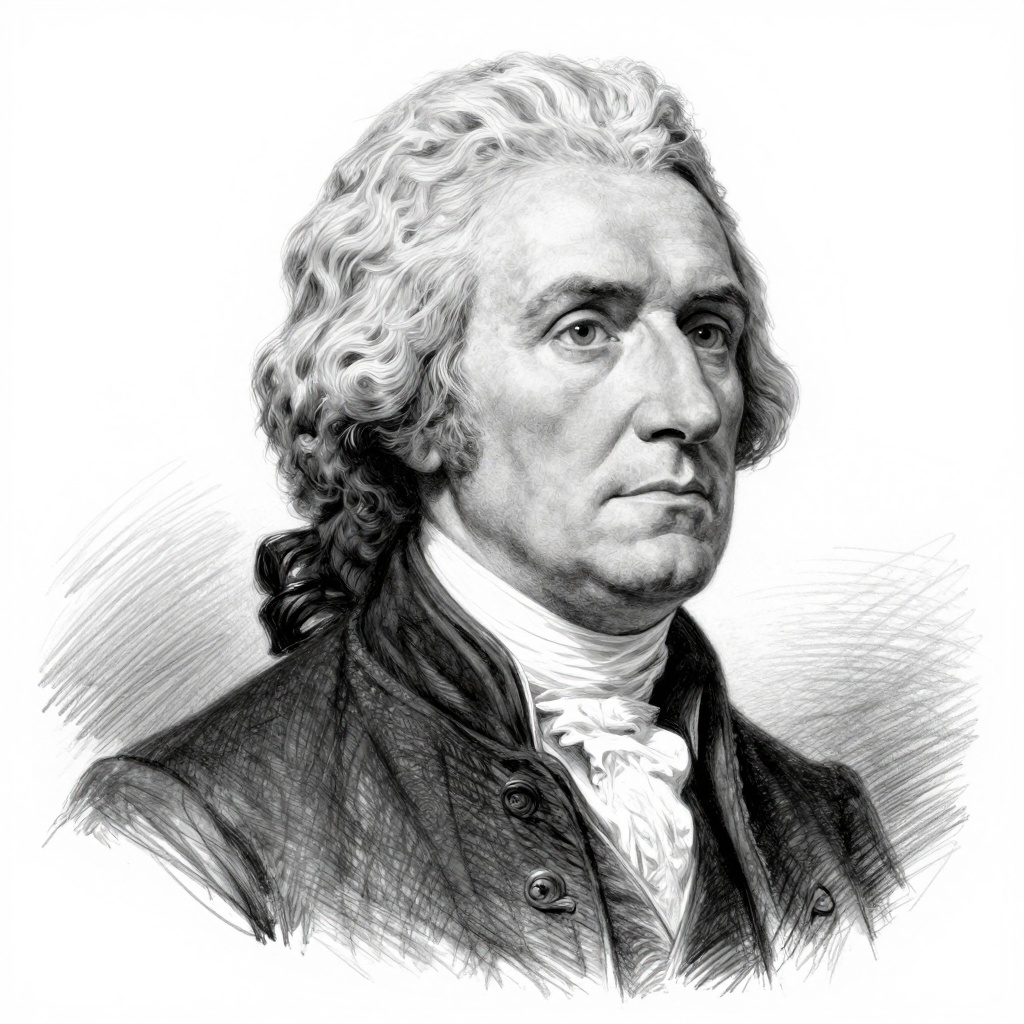
Sometimes it is said that man cannot be trusted with the government of himself. Can he, then be trusted with t... — Thomas Jefferson

Sometimes it is said that man cannot be trusted with the government of himself. Can he, then be trusted with the government of others? Or have we found angels in the form of kings to govern him? Let history answer this question.

Author: Thomas Jefferson

Insight: We tend to think of this question as purely political, but it cuts deeper into something we experience all the time: the gap between how we judge ourselves and how we judge others. We're remarkably forgiving of our own mistakes—context, pressure, good intentions—yet quick to suspect the worst in those wielding power over us. Jefferson's real point isn't that people are perfectly trustworthy. It's that if we're all equally flawed, then putting some people in charge of others requires an almost magical transformation. Kings and leaders don't become wiser or more virtuous just by gaining authority. If anything, they have more opportunities to act on the same human weaknesses we all carry. The tricky part is that this argument works just as well against any system of control, including the ones we've built since Jefferson's time. We've tried various fixes—democracy, checks and balances, term limits—but they all rest on the same uncomfortable truth: you can't delegate your moral judgment to someone else and expect them to suddenly have better judgment than you do. History doesn't answer his question cleanly. It mostly shows us that every system eventually disappoints because it's still run by humans. The real question becomes how we design systems that assume people will be self-interested, rather than hoping they won't be.

Power doesn't fix human nature

Sometimes it is said that man cannot be trusted with the government of himself. Can he, then be trusted with the government of others? Or have we found angels in the form of kings to govern him? Let history answer this question.

We tend to think of this question as purely political, but it cuts deeper into something we experience all the time: the gap between how we judge ourselves and how we judge others. We're remarkably forgiving of our own mistakes—context, pressure, good intentions—yet quick to suspect the worst in those wielding power over us. Jefferson's real point isn't that people are perfectly trustworthy. It's that if we're all equally flawed, then putting some people in charge of others requires an almost magical transformation. Kings and leaders don't become wiser or more virtuous just by gaining authority. If anything, they have more opportunities to act on the same human weaknesses we all carry.

The tricky part is that this argument works just as well against any system of control, including the ones we've built since Jefferson's time. We've tried various fixes—democracy, checks and balances, term limits—but they all rest on the same uncomfortable truth: you can't delegate your moral judgment to someone else and expect them to suddenly have better judgment than you do. History doesn't answer his question cleanly. It mostly shows us that every system eventually disappoints because it's still run by humans. The real question becomes how we design systems that assume people will be self-interested, rather than hoping they won't be.

AI generated

Comments

Sign in to leave a comment or reply to one.

Sign in

Thomas Jefferson

Thomas Jefferson was an American Founding Father who served as the third President of the United States from 1801 to 1809. He is best known for being the primary author of the Declaration of Independence and for his advocacy of democracy, republicanism, and individual rights. Jefferson also founded the University of Virginia and was a prominent architect, inventor, and philosopher.

Graph

Related