Quote · Added 14 February 2026
One travels more usefully when alone, because he reflects more.
Thomas JeffersonLetter to John Banister, Jr., June 19, 1787
Filed undertravel·reflection·solitude
Quote · Added 14 February 2026
Filed undertravel·reflection·solitude
There's something counterintuitive about this idea in our hyper-connected age. We're taught that travel is about experiences, and experiences are better shared—that's why we take group tours, travel with friends, post photos for validation. But Jefferson was onto something about solitude that we've largely forgotten: when you're alone, you can't hide from what you're actually seeing and feeling.
Travel with others creates a kind of social buffer. You're managing conversations, matching rhythms, filtering observations through group consensus. When you're alone in a new place, there's nowhere to hide from your own thoughts. A crowded market hits differently when you're processing it solo. You notice small details—the way light falls, a stranger's expression, your own shifting mood—because there's no one to perform for, no one to break the spell with a joke or a phone check. This reflection is where real learning happens, where travel stops being mere collection of photos and becomes actual transformation.
The irony is that this kind of solitary reflection often makes you a better travel companion afterward. You return with genuine insights instead of just stories. In a world obsessed with experiences, Jefferson reminds us that sometimes the most meaningful journey happens inside your own head.
1743–1826·lived 83 years
Thomas Jefferson was an American Founding Father who served as the third President of the United States from 1801 to 1809. He is best known for being the primary author of the Declaration of Independence and for his advocacy of democracy, republicanism, and individual rights. Jefferson also founded the University of Virginia and was a prominent architect, inventor, and philosopher.
Also by Thomas Jefferson
I believe that every human mind feels pleasure in doing good to another.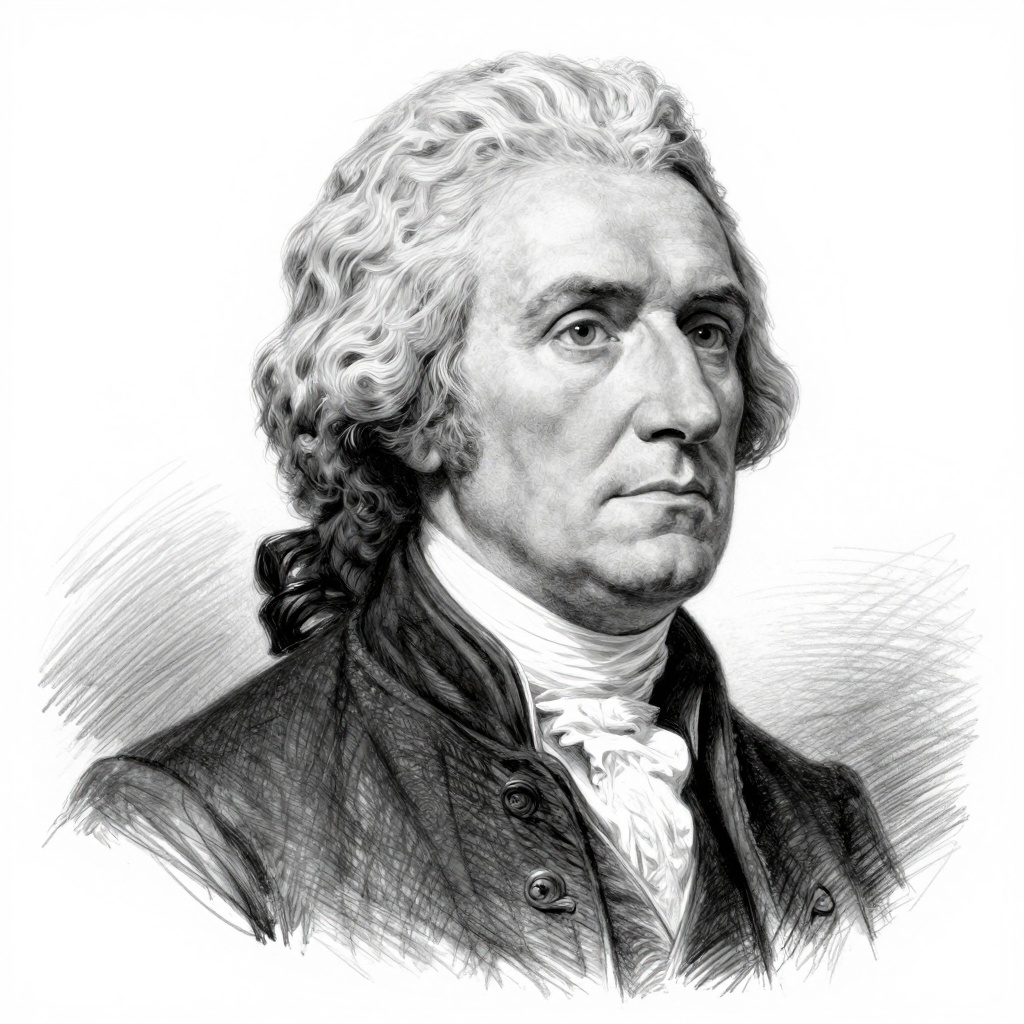
Comments