Quote · Added 14 February 2026
Never spend your money before you have earned it.
Thomas JeffersonA dozen Canons of conduct in Life, 1811
Filed undermoney·discipline·earning
Quote · Added 14 February 2026
Filed undermoney·discipline·earning
There's something almost quaint about this advice until you realize how little has changed about human nature, just the methods. Jefferson was writing in an era of literal debts and creditors showing up at your door, but today we've simply made it easier to borrow against our future selves. Credit cards, buy-now-pay-later apps, and a culture that treats getting ahead of your income as ambition rather than recklessness—we've essentially industrialized the ancient urge to live like we're richer than we are.
The real tension here isn't between spending and saving, though. It's between two versions of your future self. One version earns something and then gets to enjoy it without the weight of obligation hanging over their choices. The other version is already committed to paying for things they haven't earned yet, which means less freedom, less options, and perpetually feeling behind. It's not about deprivation; it's about which version of yourself you want to be when unexpected opportunities or genuine needs actually show up.
What makes this stick is recognizing that every purchase made on credit is a small bet that future you will earn enough to cover it comfortably. Most of the time, future you will. But the ones that blindside you—the medical emergency, the job loss, the sudden need to pivot—those are the moments when you realize Jefferson's advice wasn't about being cheap. It was about maintaining the actual freedom you thought you were buying.
1743–1826·lived 83 years
Thomas Jefferson was an American Founding Father who served as the third President of the United States from 1801 to 1809. He is best known for being the primary author of the Declaration of Independence and for his advocacy of democracy, republicanism, and individual rights. Jefferson also founded the University of Virginia and was a prominent architect, inventor, and philosopher.
Also by Thomas Jefferson
I believe that every human mind feels pleasure in doing good to another.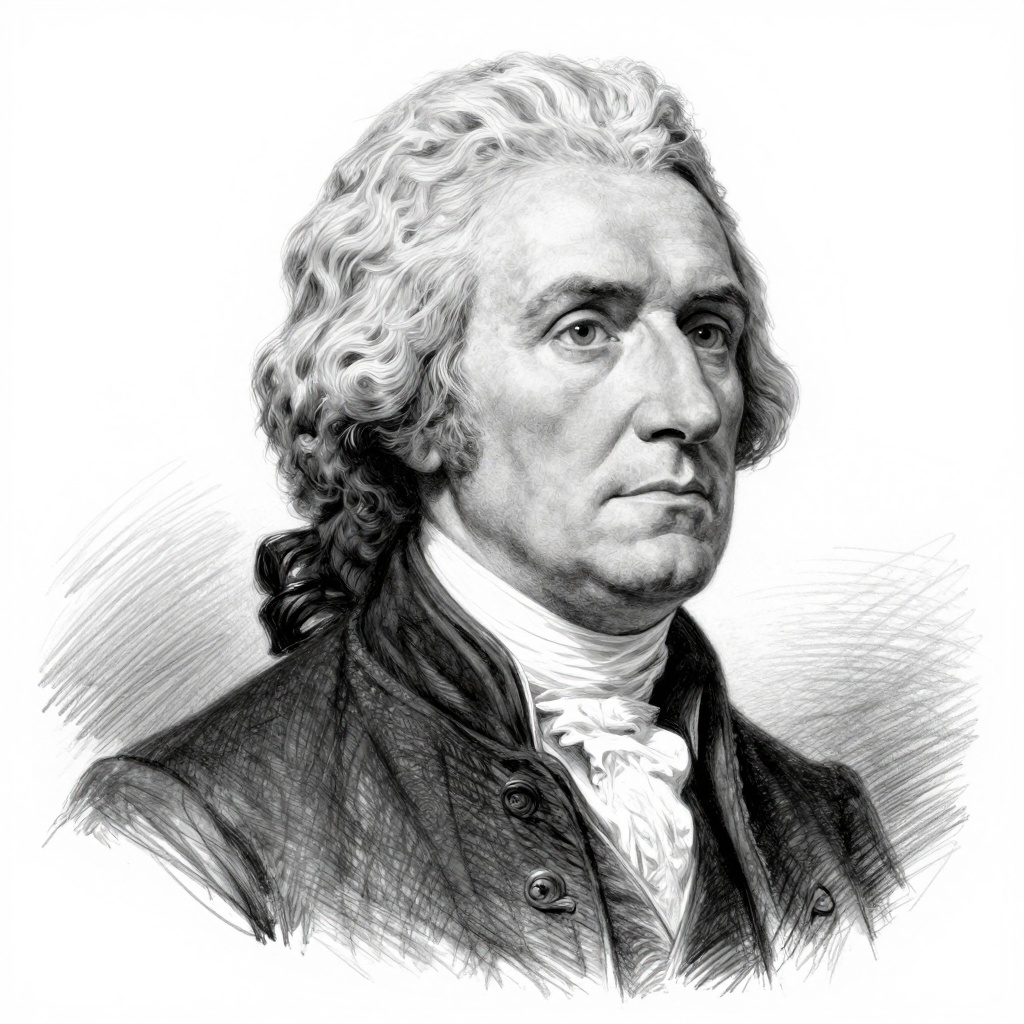
Comments