Quote · Added 22 October 2023
Never spend money before you have it.
Thomas JeffersonExtract from Thomas Jefferson to Cornelia J. Randolph, [ca. 1805–1810]
Filed undermoney·caution·discipline
Quote · Added 22 October 2023
Filed undermoney·caution·discipline
Money anxieties often stem from the same root: we treat future paychecks and potential bonuses like they're already in the bank. A new job offer gets us excited, so we upgrade our apartment before the first day. A tax refund we're fairly sure is coming becomes justification for a purchase today. We're not being reckless exactly—we're just mentally living in a version of our financial life that hasn't happened yet.
The problem is that spending based on expected money creates a particular kind of stress. When that promotion falls through or the client doesn't sign the contract, you're not just disappointed—you're suddenly short. You're stuck with commitments made to a future that evaporated. It's different from simply being careful; it's about the psychological weight of owing money you thought you'd have.
The real insight here isn't about being cheap. It's about the freedom that comes from keeping your present reality separate from your hoped-for future. When you spend only what you actually have, unexpected setbacks become annoyances rather than crises. Your decisions are based on what's real, not on narratives you're still telling yourself. There's a quiet confidence in that alignment between what you think is true and what actually is.
1743–1826·lived 83 years
Thomas Jefferson was an American Founding Father who served as the third President of the United States from 1801 to 1809. He is best known for being the primary author of the Declaration of Independence and for his advocacy of democracy, republicanism, and individual rights. Jefferson also founded the University of Virginia and was a prominent architect, inventor, and philosopher.
Also by Thomas Jefferson
I believe that every human mind feels pleasure in doing good to another.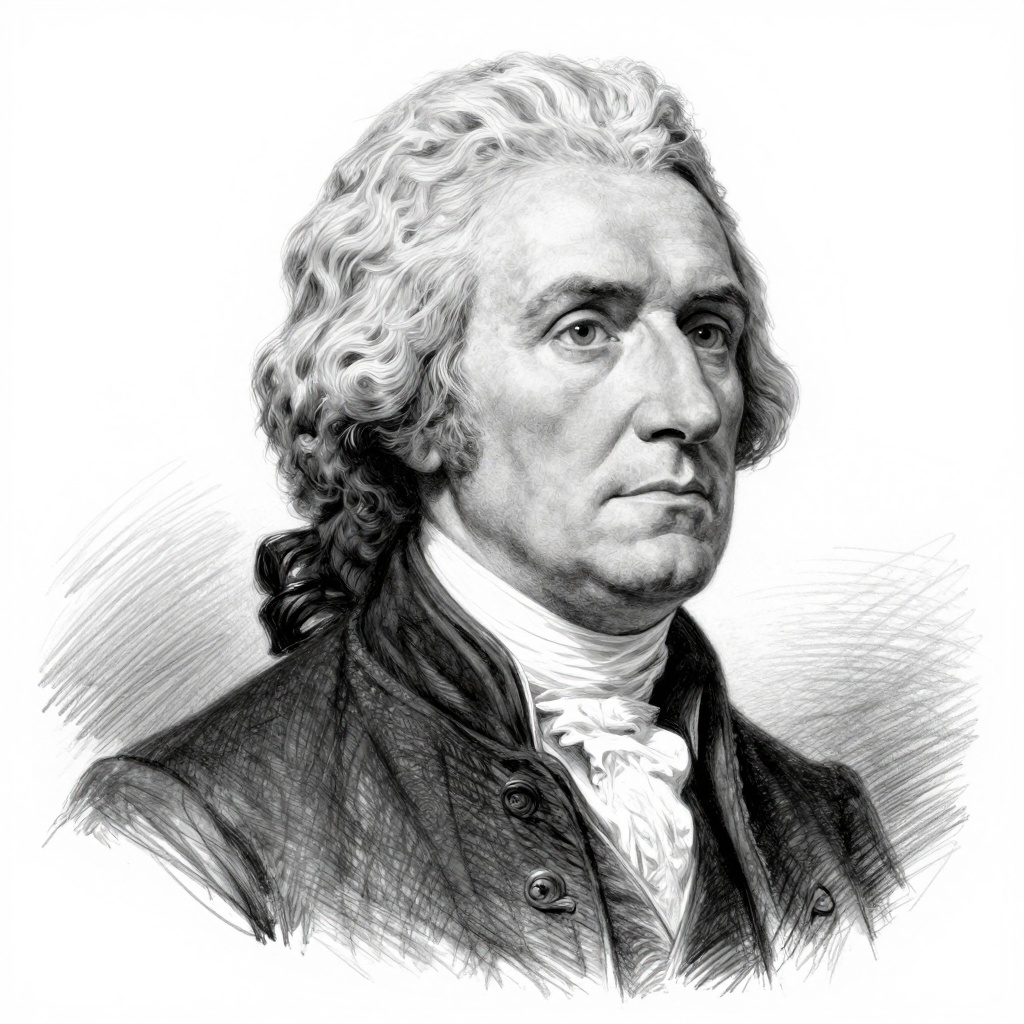
Comments