Quote · Added 25 August 2023
I find that the harder I work, the more luck I seem to have.
Filed underwork·luck·persistence
Quote · Added 25 August 2023
Filed underwork·luck·persistence
We often split luck and hard work into two different worlds—one is random fortune, the other is effort and discipline. But this quote points at something more honest: they're tangled up together. When you're actively working toward something, you notice opportunities that others miss. You develop the skills to actually capitalize on the break when it comes. You show up consistently, which means you're there when the moment arrives.
The tricky part is that this works backward too. If you sit around waiting for luck, you'll probably feel unlucky your whole life. Meanwhile, the person grinding away at their craft isn't necessarily luckier in some cosmic sense—they've just trained themselves to recognize what a lucky break actually looks like, and they're positioned to use it. They've built the kind of competence that makes seizing opportunity possible instead of impossible.
This matters now because we're swimming in survivor stories that make success sound like it fell from the sky, or else like it was pure willpower. The truth is messier and more encouraging: work creates the conditions where luck can find you. You can't control randomness, but you can control whether you're ready when it shows up.
1743–1826·lived 83 years
Thomas Jefferson was an American Founding Father who served as the third President of the United States from 1801 to 1809. He is best known for being the primary author of the Declaration of Independence and for his advocacy of democracy, republicanism, and individual rights. Jefferson also founded the University of Virginia and was a prominent architect, inventor, and philosopher.
Also by Thomas Jefferson
I believe that every human mind feels pleasure in doing good to another.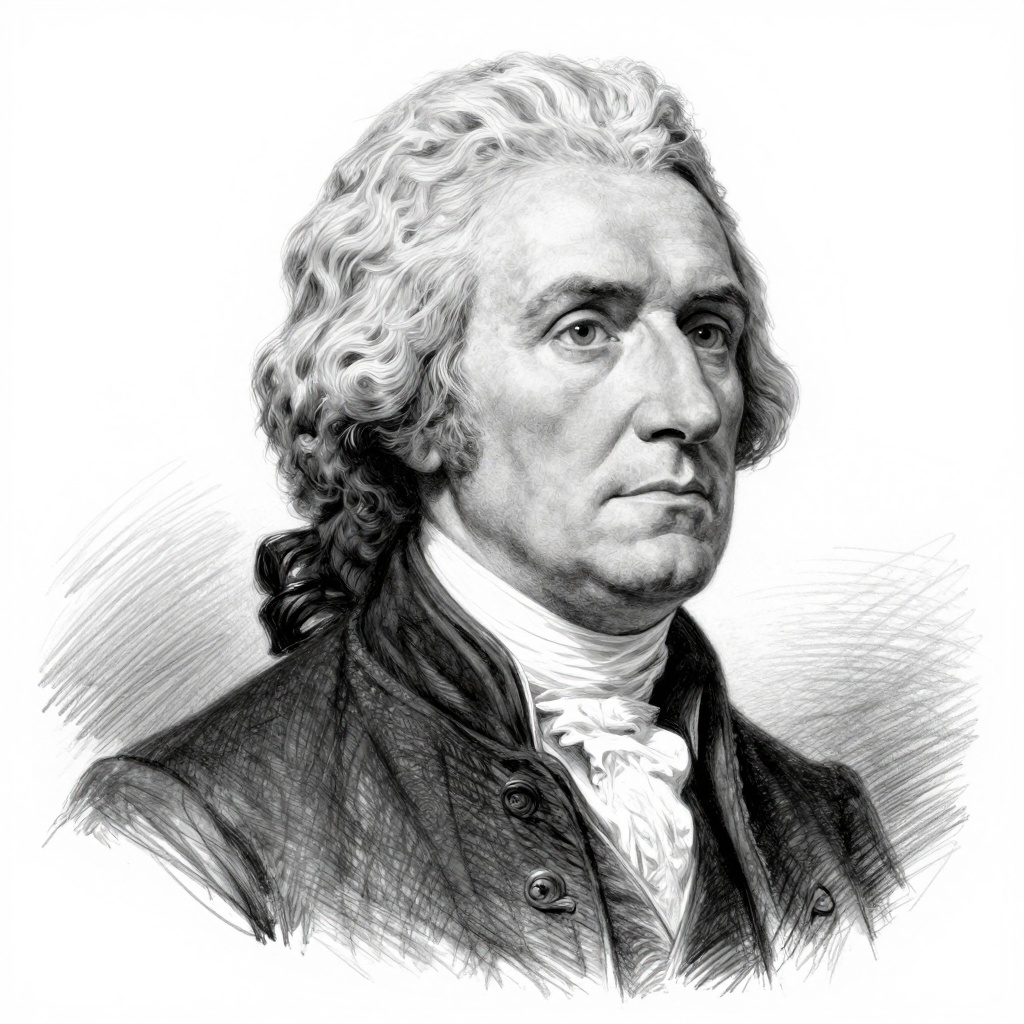
Comments