Quote · Added 15 November 2025
Honesty is the first chapter in the book of wisdom.
Thomas JeffersonLetter to Nathaniel Macon, January 12, 1819
Quote · Added 15 November 2025
We tend to think of honesty as a moral rule—something you either follow or break. But Jefferson was pointing at something subtler: that being truthful with yourself and others is actually the beginning of getting smarter about life. You can't solve a problem you won't admit exists. You can't learn from mistakes you're busy reframing as someone else's fault. Honesty, then, isn't just about character—it's about access to reality.
This matters because we're all living with selective versions of the truth. We downplay what we spend money on, exaggerate how much we exercise, convince ourselves the relationship is fine when it isn't. These small dishonestties aren't just moral lapses; they're blind spots that keep us stuck. The person who can actually tell themselves the hard truth about their habits, their limits, or why something keeps failing—that person gets to make better choices. Everyone else is just reacting from inside a story they've told themselves.
The surprising part is that honesty doesn't feel like wisdom at first. It feels uncomfortable, even lonely. But the discomfort is the point—it's the friction between what you want to believe and what's actually true. That friction is where learning starts. Everything else just confirms what you already think you know.
1743–1826·lived 83 years
Thomas Jefferson was an American Founding Father who served as the third President of the United States from 1801 to 1809. He is best known for being the primary author of the Declaration of Independence and for his advocacy of democracy, republicanism, and individual rights. Jefferson also founded the University of Virginia and was a prominent architect, inventor, and philosopher.
Also by Thomas Jefferson
I believe that every human mind feels pleasure in doing good to another.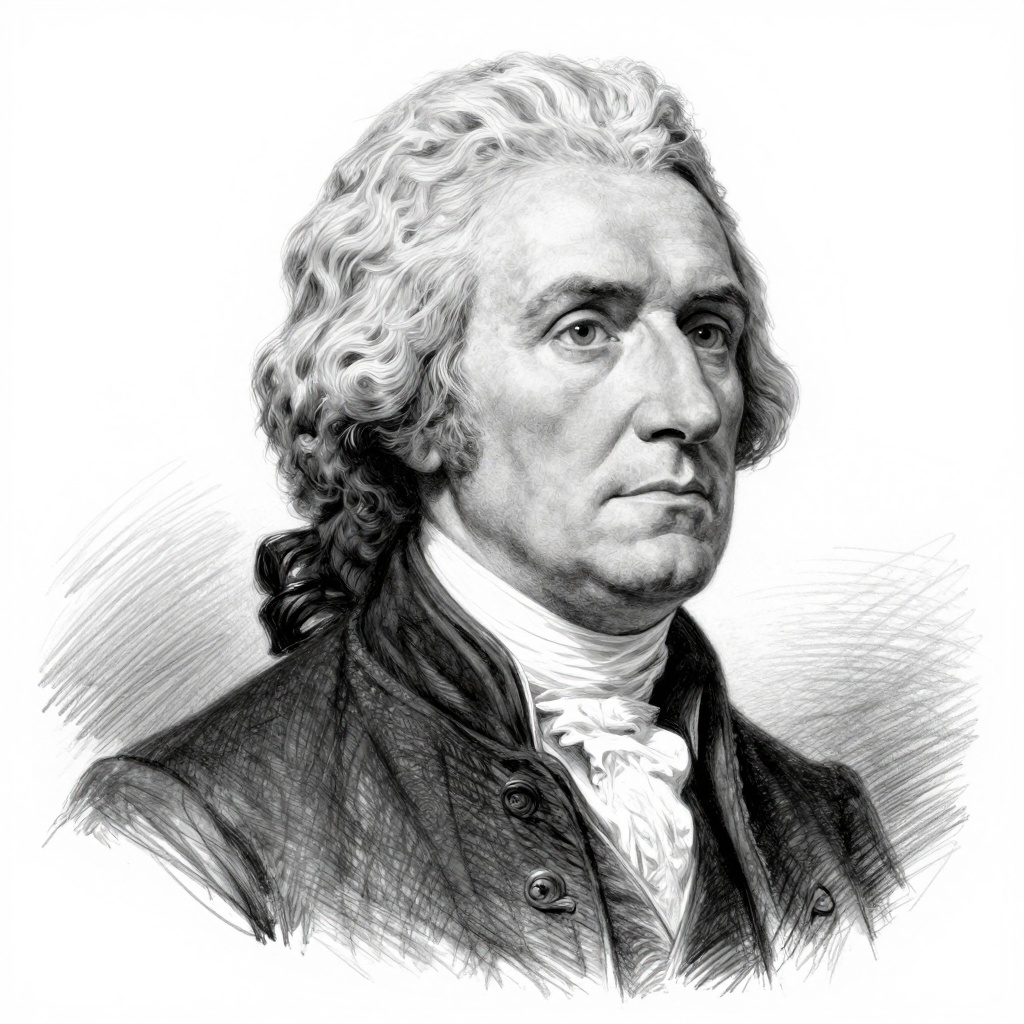
Comments