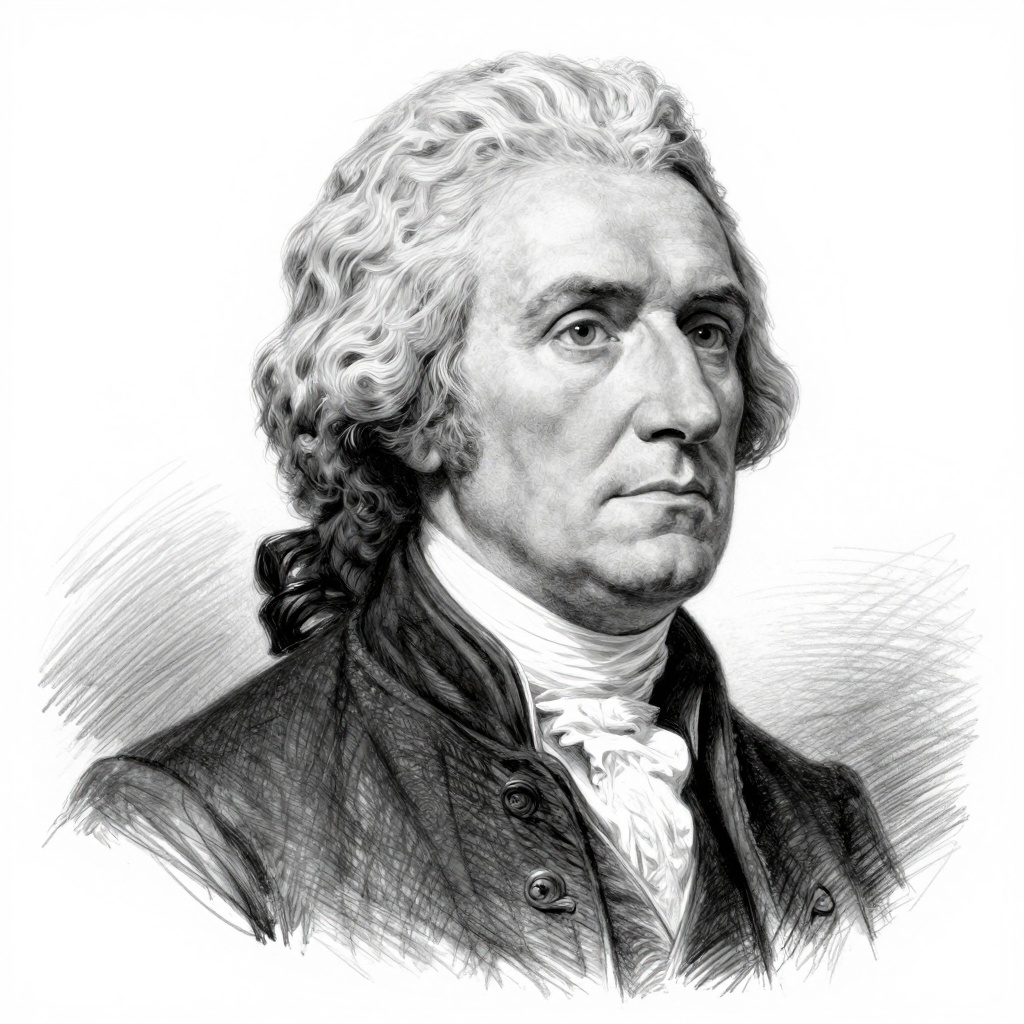
Determine never to be idle. No person will have occasion to complain of the want of time who never loses any.... — Thomas Jefferson
Determine never to be idle. No person will have occasion to complain of the want of time who never loses any. It is wonderful how much may be done if we are always doing.
Author: Thomas Jefferson
Insight: We live in an era that celebrates busyness almost religiously, yet we're somehow more time-starved than ever. Jefferson's point isn't really about cramming more tasks into your day—it's about the psychology of how time actually works. When you're genuinely engaged in something, even small pockets of dead time disappear. You're not watching the clock; you're using it. The person who complains they don't have time to read, exercise, or learn a skill often has the same 24 hours as someone thriving in those areas. The difference isn't the hours. It's that one person treats free moments as something to escape from, while the other treats them as material to build with. The non-obvious part: idleness doesn't feel neutral. It breeds a specific kind of anxiety—that restless dissatisfaction that makes you feel like time is slipping away. Whereas purposeful activity, even mundane things, creates momentum. You finish one small task and feel like you have energy for another. It's not that idle people are lazy; they're often stuck in a loop where doing nothing makes them feel worse, which makes starting even harder. The antidote isn't ruthless productivity culture. It's simply this: have something you're actually building toward, and watch how suddenly time expands.