Quote · Added 14 February 2026
The great tragedy of science - the slaying of a beautiful hypothesis by an ugly fact.
Thomas HuxleyBiogenesis and Abiogenesis, Presidential Address at the British Association, 1870
Quote · Added 14 February 2026
We all do this without realizing it. We fall in love with an explanation—about why a relationship ended, why we keep failing at something, why someone behaves a certain way—and it feels right. It's elegant, it makes sense, it even makes us feel smarter for seeing the pattern. Then reality shows up with an inconvenient detail that doesn't fit, and we have to choose: defend the beautiful story or accept the messy fact.
The real tragedy isn't intellectual. It's emotional. We'd rather stay attached to our theories than do the harder work of updating them. A friend believes their ex was simply selfish, so they miss the ways they contributed to the breakup. A company loves its story about "what customers really want" right up until they hemorrhage market share. We defend our hypotheses because they're comfortable, because they make us the right character in our own narratives, because changing our minds feels like failure instead of growth.
What Huxley understood is that this isn't a personal flaw—it's the baseline human condition. The only real advantage we have is catching ourselves in the act. The next time a fact bothers you instead of enlightening you, that resistance is the signal. That's where the real learning starts.
1825–1895·lived 70 years
Thomas Huxley was a 19th-century English biologist and anthropologist, best known for his strong advocacy of Charles Darwin's theory of evolution and his nickname "Darwin's Bulldog." He made significant contributions to the fields of comparative anatomy and paleontology, and he was a prominent figure in the development of modern scientific education and public understanding of science. Huxley also played a key role in establishing the British Association for the Advancement of Science and was instrumental in the founding of the Natural History Museum in London.
Also by Thomas Huxley
Try to learn something about everything and everything about something.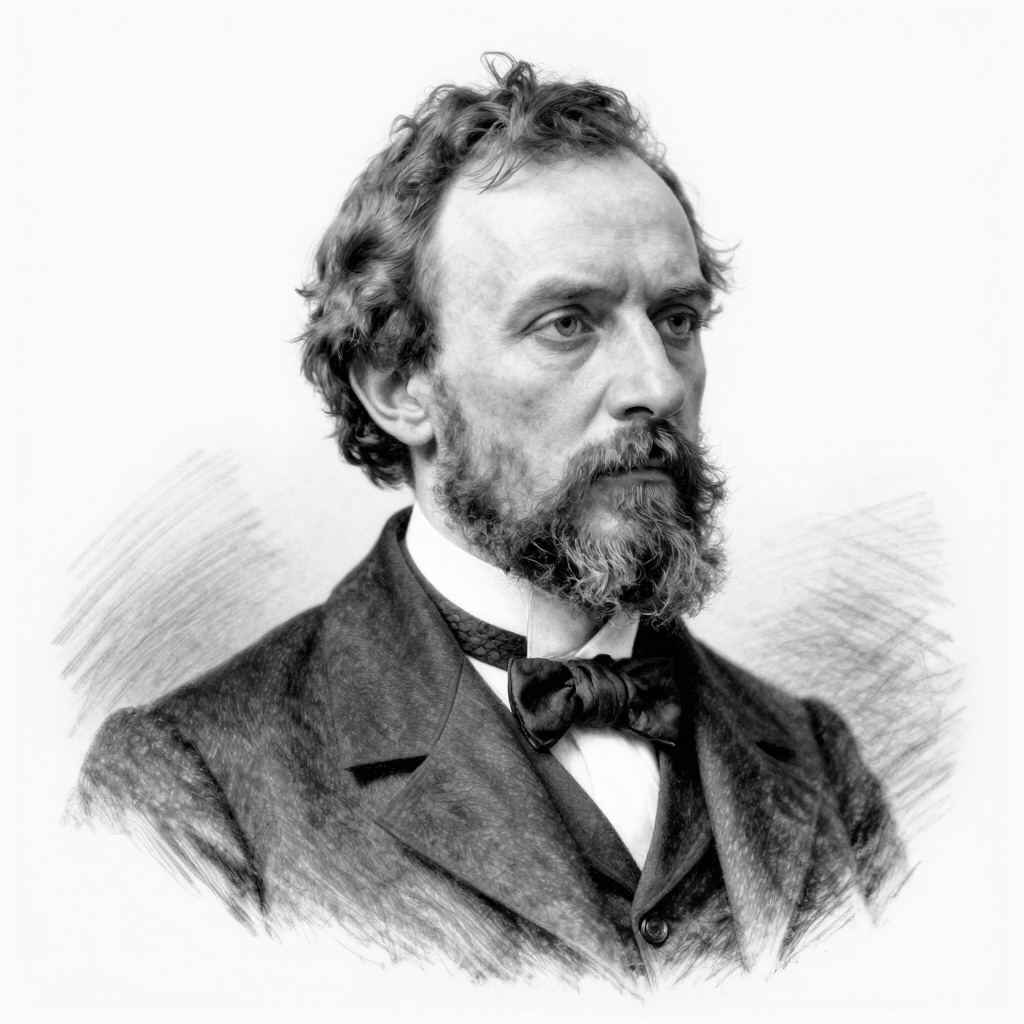
Comments