Quote · Added 14 February 2026
Try to learn something about everything and everything about something.
Thomas HuxleyThe Advance of Science, 1893
Quote · Added 14 February 2026
There's a real tension in how we approach learning that this quote captures perfectly. Most of us feel pulled in two directions: we want to be well-rounded, to understand how the world actually works across different domains, but we also know that real expertise and mastery require deep focus. The quote suggests these aren't actually in conflict—they're two parts of the same intelligent life.
The "everything about something" part is the easier one to understand. It's why people become specialists, why you can spend years really understanding one field or craft and still have more to learn. But the first part catches most people off guard. Learning something about everything doesn't mean becoming a shallow dabbler. It means recognizing that your specialty doesn't exist in a vacuum. A musician benefits from understanding physics and psychology. A programmer thinks better after studying history. A parent gets smarter about decision-making by reading economics alongside philosophy.
What makes this actually practical today is that you don't need to choose once and forever. You can have your depth—your area where you've invested real time and thought—while staying genuinely curious about how other domains work. That balance is what produces people who can actually think, not just perform their expertise on autopilot.
1825–1895·lived 70 years
Thomas Huxley was a 19th-century English biologist and anthropologist, best known for his strong advocacy of Charles Darwin's theory of evolution and his nickname "Darwin's Bulldog." He made significant contributions to the fields of comparative anatomy and paleontology, and he was a prominent figure in the development of modern scientific education and public understanding of science. Huxley also played a key role in establishing the British Association for the Advancement of Science and was instrumental in the founding of the Natural History Museum in London.
Also by Thomas Huxley
Patience and tenacity are worth more than twice their weight of cleverness.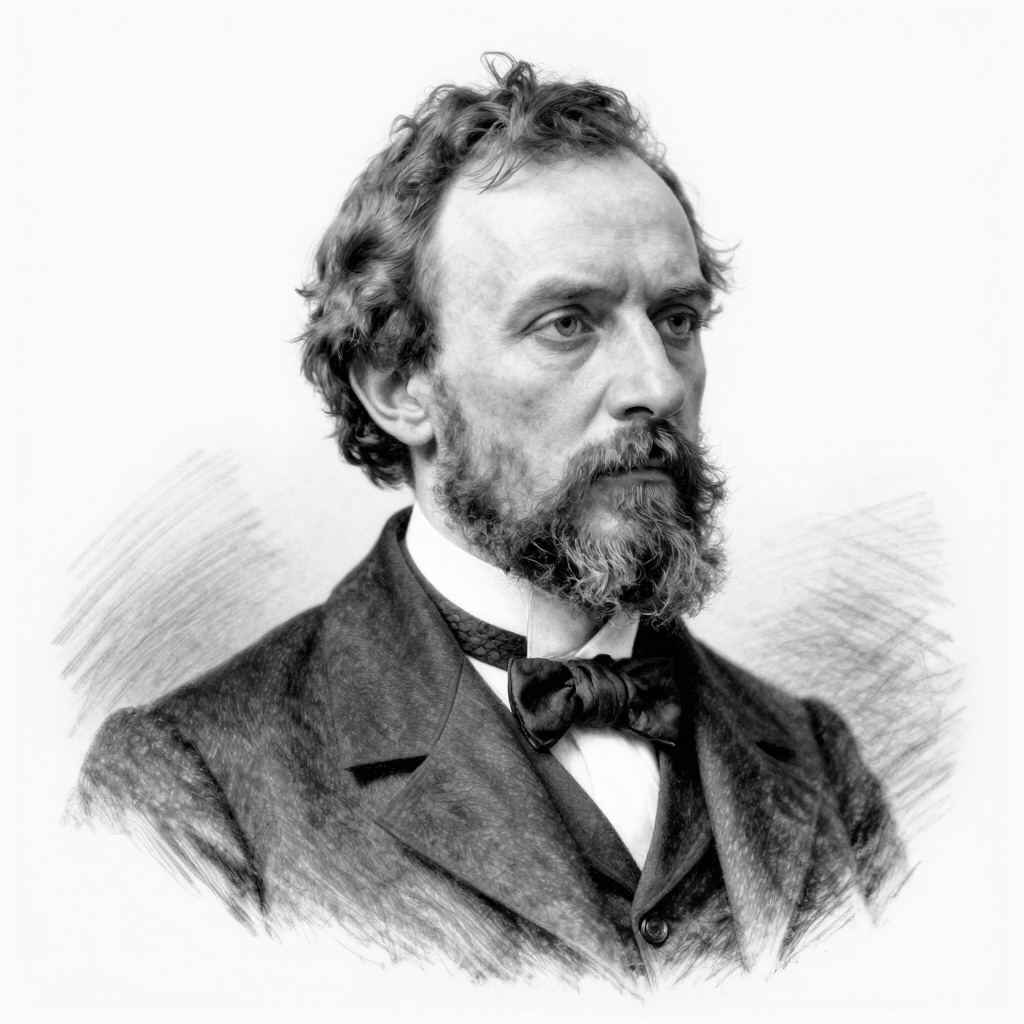
Comments