Quote · Added 14 February 2026
Science is organized common sense where many a beautiful theory was killed by an ugly fact.
Thomas HuxleyScience and Education: Essays
Quote · Added 14 February 2026
Most of us grow up thinking science is this pristine system of pure logic—brilliant minds in labs discovering absolute truths. But Huxley's point cuts deeper. Science is really just disciplined common sense, which means it works the way your own thinking should: you observe what's actually happening, you form ideas about it, and then you stay ruthlessly honest when reality doesn't cooperate.
The second half is where it gets interesting. "Many a beautiful theory was killed by an ugly fact" describes something we do constantly in ordinary life too—we fall in love with explanations that feel right or elegant or make us feel smart. We convince ourselves our friend is selfish rather than just overwhelmed. We believe a diet hack will work because it sounds logical. But then life produces an inconvenient fact, and we have to choose: do we bend the fact to fit our theory, or do we let the theory collapse?
That's the actual discipline science requires, and it's the one most of us resist in everyday thinking. It's not about being coldly rational. It's about being willing to say "I was wrong" when evidence shows up, even when your beautiful theory was so much more satisfying than reality.
1825–1895·lived 70 years
Thomas Huxley was a 19th-century English biologist and anthropologist, best known for his strong advocacy of Charles Darwin's theory of evolution and his nickname "Darwin's Bulldog." He made significant contributions to the fields of comparative anatomy and paleontology, and he was a prominent figure in the development of modern scientific education and public understanding of science. Huxley also played a key role in establishing the British Association for the Advancement of Science and was instrumental in the founding of the Natural History Museum in London.
Also by Thomas Huxley
Try to learn something about everything and everything about something.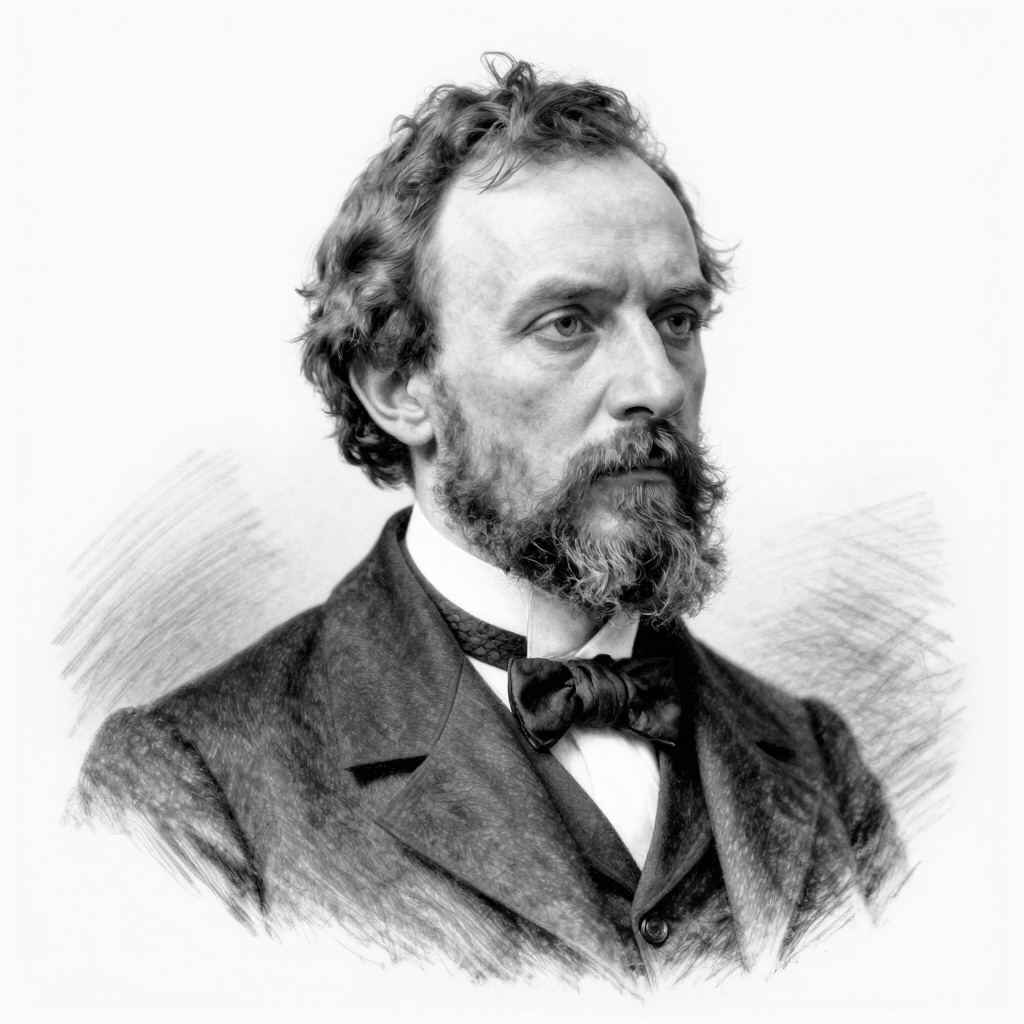
Comments