Quote · Added 14 February 2026
Reading
AI generatedYour mood lies more than your life does
We live as though our emotional state should match our circumstances—happy when things go well, frustrated when they don't. But anyone paying attention knows this isn't how it actually works. You can have a genuinely good day and still feel oddly flat by afternoon. You can face real setbacks yet find yourself laughing at something small. Our moods shift like weather patterns, often completely disconnected from what's objectively happening in our lives.
This matters because we tend to trust our feelings as accurate readouts of reality. When you're in a bad mood, everything looks worse—your relationship feels fragile, your work seems pointless, your future appears grim. But that dark lens often says more about your sleep, your caffeine intake, or whether you've moved your body lately than it does about actual circumstances. The flip side is equally true: a good mood can make you overestimate how well things are going.
The real insight here isn't that you should ignore your feelings or pretend everything's fine. It's that you can hold two things at once: acknowledging that your circumstances matter while also recognizing that your mood is its own force, often more volatile and unreliable than the actual facts of your life. That distance between the two is where clarity lives.
The author
All 11 quotes by Thomas Carlyle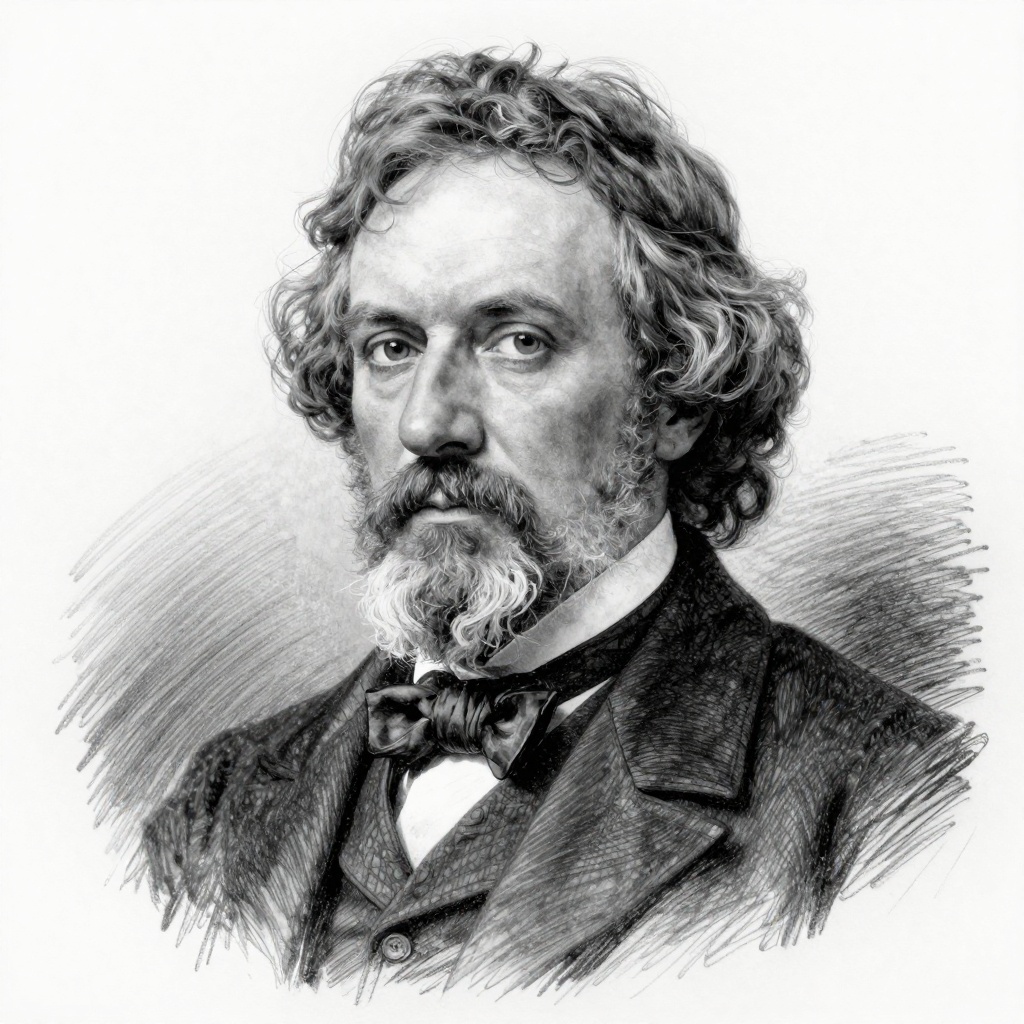
Thomas Carlyle
1795–1881·lived 85 years
Thomas Carlyle was a Scottish philosopher, essayist, and historian who lived in the 19th century. He is best known for his work "Sartor Resartus" and for popularizing the idea of the "Great Man theory" in history, emphasizing the impact of individuals on society.
Also by Thomas Carlyle
The true university of these days is a collection of books.
Comments