Quote · Added 28 February 2026
Reading
AI generatedAct first, fear second
We live in a culture obsessed with confidence—the idea that you need to feel ready before you try something. But Carlyle points at something more practical: fear isn't something you wait out or therapy away before taking action. It's something you move through by acting anyway. The parent worried about messing up their kid doesn't wait until the worry vanishes; they parent while scared. The person starting a business doesn't feel fearless first; they launch anyway.
What makes this insight oddly liberating is that it flips the usual order. We think feeling brave comes before doing brave things. In reality, doing the thing often comes first, and the fear shrinks as you go. Every difficult conversation you've actually had probably felt worse in your head than it turned out to be. Every skill you've developed started with fumbling awkwardly while nervous.
The catch is that this requires a shift in how you define action. You're not waiting for the green light of confidence. You're acknowledging the fear is real and present, and you're moving anyway. That's not recklessness—it's actually the most honest kind of courage, because it doesn't pretend the fear doesn't exist. It just refuses to let it be the boss.
The author
All 11 quotes by Thomas Carlyle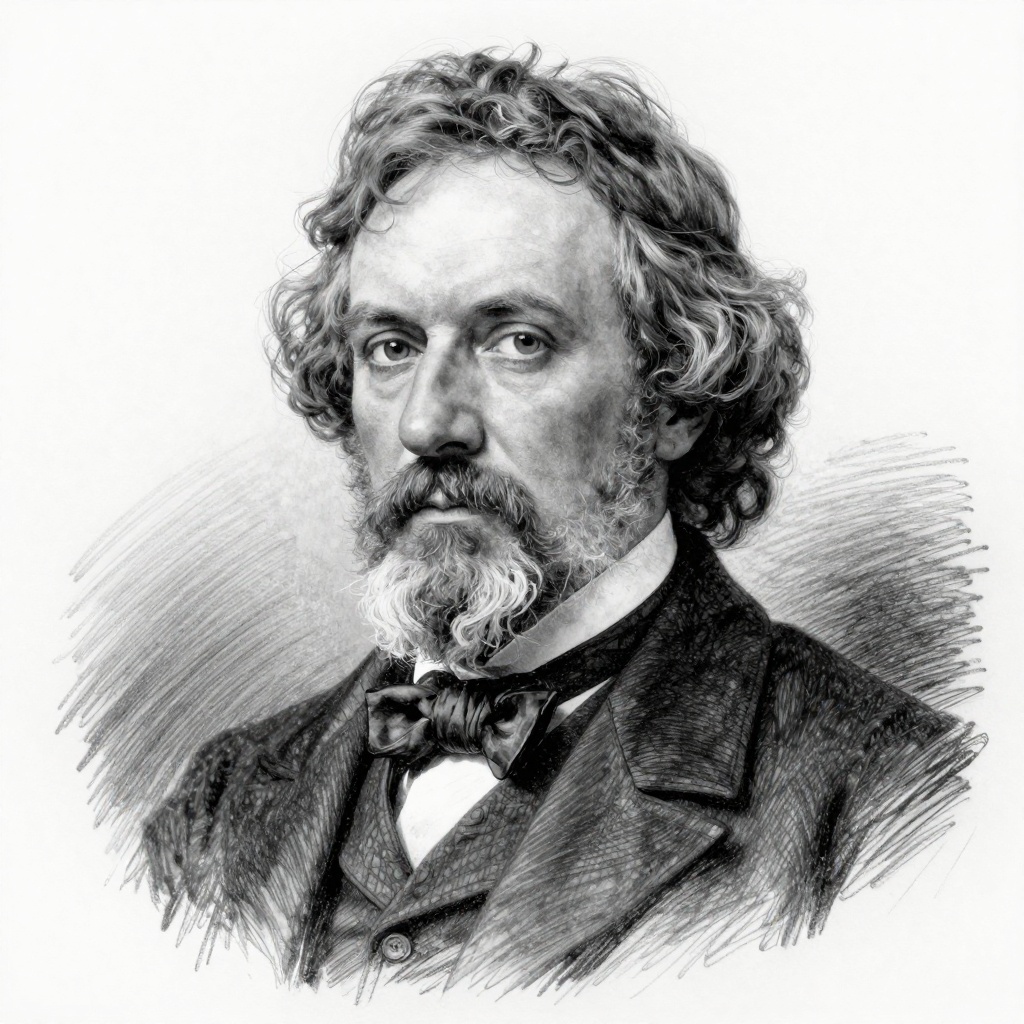
Thomas Carlyle
1795–1881·lived 85 years
Thomas Carlyle was a Scottish philosopher, essayist, and historian who lived in the 19th century. He is best known for his work "Sartor Resartus" and for popularizing the idea of the "Great Man theory" in history, emphasizing the impact of individuals on society.
Also by Thomas Carlyle
The true university of these days is a collection of books.
Comments