Quote · Added 14 February 2026
I've got a great ambition to die of exhaustion rather than boredom.
Thomas CarlyleThe Life of John Sterling, p. 123, 1851
Filed underambition·exhaustion·boredom
Quote · Added 14 February 2026
Filed underambition·exhaustion·boredom
There's something almost relieved in this statement—the idea that burning out while doing something that matters beats coasting through a life that feels pointless. Most of us don't talk about it this way, but we feel it: the quiet dread of days that blur together, of being capable of more than we're giving, of watching time pass without having really been alive in it.
What makes this insight stick is that it flips how we usually think about exhaustion. We treat burnout like the worst outcome, something to flee from at all costs. But Carlyle is pointing at something darker than exhaustion—the slow suffocation of boredom, the soul-crushing weight of unused potential. He's not romanticizing overwork so much as naming a choice we actually face: do we want to rest comfortably or matter urgently?
The tricky part is that real life rarely gives us such clean options. We can't always know if we're exhausted for something meaningful or just spinning wheels. But the quote nudges at something worth noticing: Are we protecting ourselves from burnout at the cost of actually feeling engaged? Sometimes the energy crisis we're avoiding is less about work and more about pursuing something that actually makes us feel alive.
1795–1881·lived 85 years
Thomas Carlyle was a Scottish philosopher, essayist, and historian who lived in the 19th century. He is best known for his work "Sartor Resartus" and for popularizing the idea of the "Great Man theory" in history, emphasizing the impact of individuals on society.
Also by Thomas Carlyle
The true university of these days is a collection of books.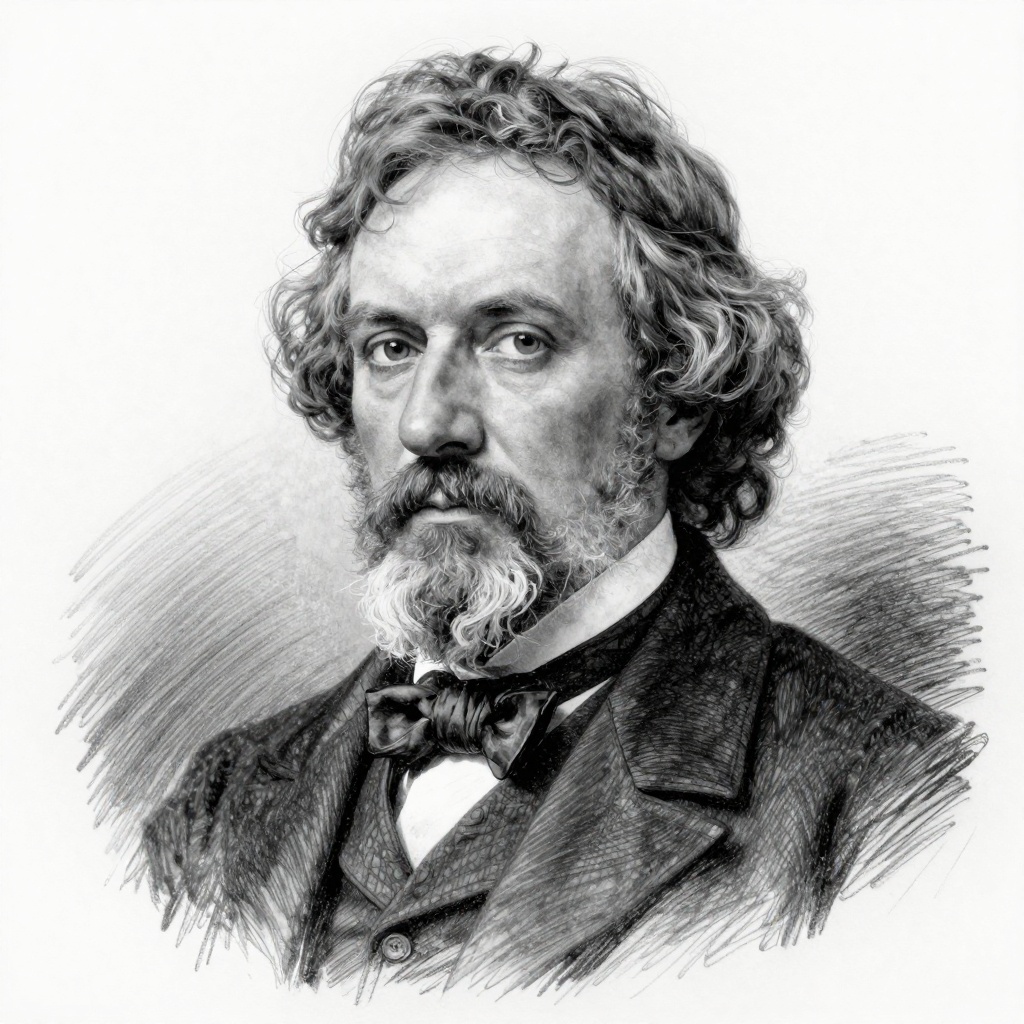
Comments