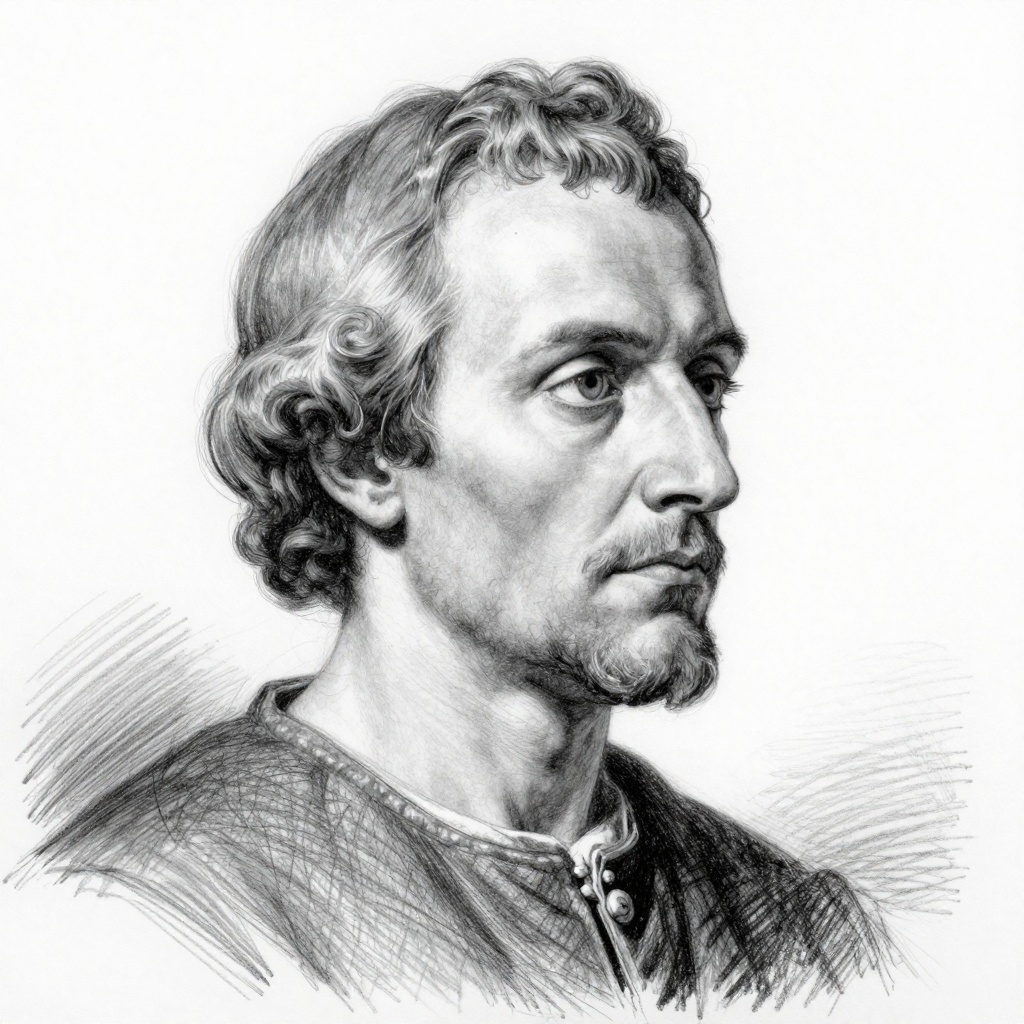
Man cannot live without joy; therefore when he is deprived of true spiritual joys it is necessary that he beco... — Thomas Aquinas

Man cannot live without joy; therefore when he is deprived of true spiritual joys it is necessary that he become addicted to carnal pleasures.

Author: Thomas Aquinas

Insight: There's something uncomfortable in this medieval insight that hits harder now than it probably did centuries ago. We all know people—maybe ourselves—who seem to run from one distraction to the next: scrolling, shopping, eating, streaming, accumulating experiences. Aquinas's point is that this isn't random weakness or simple hedonism. It's a vacuum being filled. When we're not connected to something we find genuinely meaningful or transcendent, we naturally reach for whatever gives us a hit of pleasure right now. The modern twist is that we've never had easier access to those immediate fixes. A phone in your pocket can deliver novelty, comfort, or stimulation instantly. But that accessibility masks what's really happening underneath—a hunger for purpose that's going unsatisfied. Binge-watching at midnight isn't really about entertainment; it might be about avoiding the emptiness that shows up when you're alone with your thoughts. The uncomfortable question isn't whether you should feel guilty about these habits. It's whether you're actually feeding something deeper in yourself, or just numbing a need you haven't bothered to name. That's the real liberation Aquinas seems to be pointing at: identifying what you actually hunger for makes all the surface-level indulgences feel a lot less essential.

The hunger beneath the habit

Man cannot live without joy; therefore when he is deprived of true spiritual joys it is necessary that he become addicted to carnal pleasures.

There's something uncomfortable in this medieval insight that hits harder now than it probably did centuries ago. We all know people—maybe ourselves—who seem to run from one distraction to the next: scrolling, shopping, eating, streaming, accumulating experiences. Aquinas's point is that this isn't random weakness or simple hedonism. It's a vacuum being filled. When we're not connected to something we find genuinely meaningful or transcendent, we naturally reach for whatever gives us a hit of pleasure right now.

The modern twist is that we've never had easier access to those immediate fixes. A phone in your pocket can deliver novelty, comfort, or stimulation instantly. But that accessibility masks what's really happening underneath—a hunger for purpose that's going unsatisfied. Binge-watching at midnight isn't really about entertainment; it might be about avoiding the emptiness that shows up when you're alone with your thoughts.

The uncomfortable question isn't whether you should feel guilty about these habits. It's whether you're actually feeding something deeper in yourself, or just numbing a need you haven't bothered to name. That's the real liberation Aquinas seems to be pointing at: identifying what you actually hunger for makes all the surface-level indulgences feel a lot less essential.

AI generated

Comments

Sign in to leave a comment or reply to one.

Sign in

Thomas Aquinas

Thomas Aquinas was a renowned Italian Dominican friar, philosopher, and theologian who lived in the 13th century. He is best known for his influential works in natural theology, such as the Summa Theologica, where he sought to reconcile faith and reason. Aquinas is considered one of the greatest Christian theologians and philosophers of all time.

Graph

Related