Quote · Added 14 February 2026
If the highest aim of a captain were to preserve his ship, he would keep it in port forever.
Thomas AquinasSumma Theologica, I-II, Q2, Art. 5, Christian Classics Ethereal Library
Quote · Added 14 February 2026
We're naturally drawn to safety. Keep the ship in port and nothing sinks. Don't take the job that requires moving, don't say the thing that might upset people, don't pursue the relationship that could end badly. The logic feels airtight—why risk what you have?
But Aquinas points at something we actually know: a ship exists to sail. Its purpose isn't self-preservation; preservation is just the means to doing what it was built for. The same applies to our lives. When we organize everything around avoiding failure or discomfort, we're not protecting ourselves—we're abandoning the thing we're supposed to be doing. The real risk isn't the voyage; it's spending decades in a harbor, perfectly safe and completely unused.
This doesn't mean being reckless. It means recognizing that some damage is part of the job. A ship gets weathered. People get hurt. Plans fall through. The question isn't whether you'll avoid all hardship, but whether you're willing to take on the right kind of hardship—the kind that comes from actually attempting something that matters.
1225–1274·lived 49 years
Thomas Aquinas was a renowned Italian Dominican friar, philosopher, and theologian who lived in the 13th century. He is best known for his influential works in natural theology, such as the Summa Theologica, where he sought to reconcile faith and reason. Aquinas is considered one of the greatest Christian theologians and philosophers of all time.
Also by Thomas Aquinas
Love takes up where knowledge leaves off.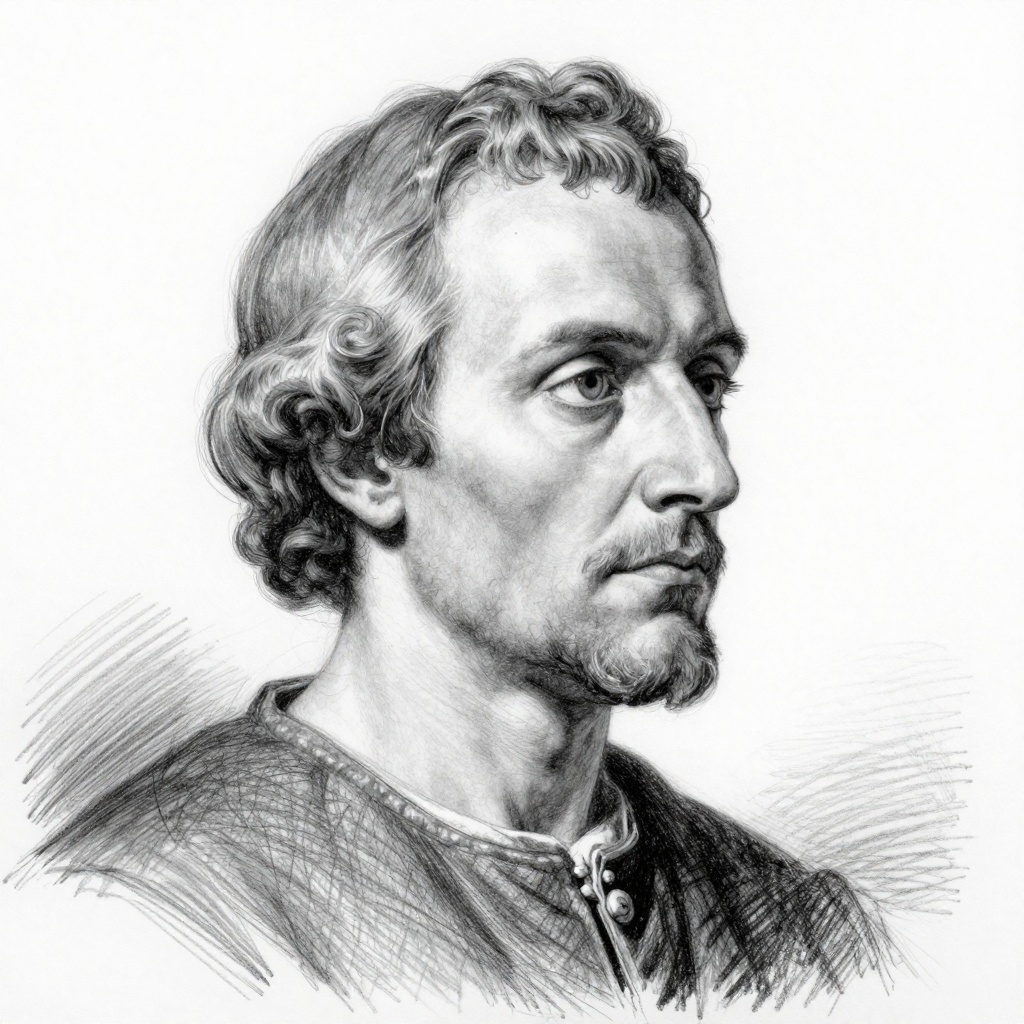
Comments