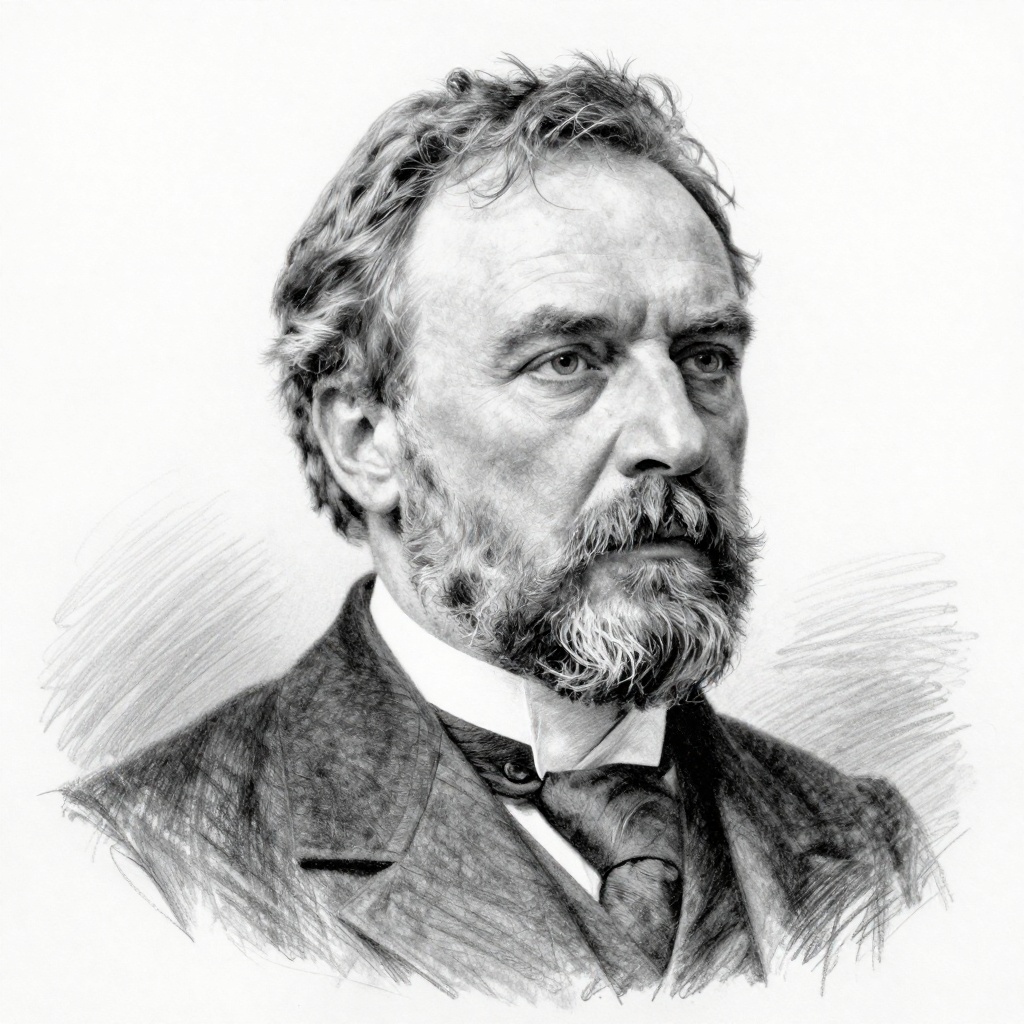
True individual freedom cannot exist without economic security and independence. People who are hungry and out... — Theodore Roosevelt

True individual freedom cannot exist without economic security and independence. People who are hungry and out of a job are the stuff of which dictatorships are made. Franklin D.

Author: Theodore Roosevelt

Insight: We often think of freedom as purely political—the right to vote, speak, or assemble without interference. But Roosevelt was pointing at something more uncomfortable: freedom in your mind and heart is pretty hard to access when you're terrified about paying rent or feeding your family. Desperation has a way of making people willing to accept almost anything, including authoritarianism, as long as it promises stability and a paycheck. This cuts against the grain of how we usually frame these debates. We tend to separate economics from politics into different buckets, but Roosevelt saw them as inseparable. Someone working three gigs just to survive isn't free in any meaningful sense—not because the government is oppressing them, but because their circumstances are doing it for them. They don't have the mental space or security to participate fully in democracy, ask hard questions, or resist manipulation. The twist here is that this wasn't a radical statement coming from the left alone. Roosevelt was actually warning his own political class that ignoring economic suffering doesn't protect the system—it destabilizes it. You can have all the formal freedoms written down, but if enough people feel cornered and hopeless, those freedoms become fragile. It's not virtue signaling to care about jobs and security. It's pragmatic self-preservation for any society that wants to stay free.

Desperation makes dictatorships possible

True individual freedom cannot exist without economic security and independence. People who are hungry and out of a job are the stuff of which dictatorships are made. Franklin D.

We often think of freedom as purely political—the right to vote, speak, or assemble without interference. But Roosevelt was pointing at something more uncomfortable: freedom in your mind and heart is pretty hard to access when you're terrified about paying rent or feeding your family. Desperation has a way of making people willing to accept almost anything, including authoritarianism, as long as it promises stability and a paycheck.

This cuts against the grain of how we usually frame these debates. We tend to separate economics from politics into different buckets, but Roosevelt saw them as inseparable. Someone working three gigs just to survive isn't free in any meaningful sense—not because the government is oppressing them, but because their circumstances are doing it for them. They don't have the mental space or security to participate fully in democracy, ask hard questions, or resist manipulation.

The twist here is that this wasn't a radical statement coming from the left alone. Roosevelt was actually warning his own political class that ignoring economic suffering doesn't protect the system—it destabilizes it. You can have all the formal freedoms written down, but if enough people feel cornered and hopeless, those freedoms become fragile. It's not virtue signaling to care about jobs and security. It's pragmatic self-preservation for any society that wants to stay free.

AI generated

Comments

Sign in to leave a comment or reply to one.

Sign in

Theodore Roosevelt

Theodore Roosevelt (1858–1919) was an American statesman, author, explorer, soldier, and naturalist who served as the 26th President of the United States from 1901 to 1909. Known for his progressive policies, trust-busting efforts, conservationism, and contributions to foreign policy, he was a larger-than-life figure in American history.

Graph

Related