Quote · Added 14 February 2026
You can judge the quality of their faith from the way they behave. Discipline is an index to doctrine.
TertullianThe Prescriptions Against the Heretics, p. 63, 1956
Filed underfaith·discipline·behavior
Quote · Added 14 February 2026
Filed underfaith·discipline·behavior
There's something bracing about this idea: you don't have to wonder what someone actually believes. Just watch what they do when no one's checking. The way we treat people when we're tired, how we handle money when we think no one's looking, whether we keep small promises to ourselves—these things reveal what we've really internalized, not just what we claim to value.
The tricky part is that this works on us too. We can't hide from ourselves nearly as well as we think. If you say you value health but skip every workout, or claim to care about your family but never have real conversations with them, there's a gap that nags at you. Discipline—the boring, unglamorous act of showing up and doing the thing—is how beliefs become real. It's the difference between someone who talks about their principles and someone who actually lives them.
This matters because we live in an age of declarations. We announce our values online, we take stands, we share our beliefs. But Tertullian's point cuts through all that: the real test is whether you're willing to be boring and consistent about it. That's where faith, or any commitment, gets tested—not in moments of inspiration, but in the small, repeated choices that no one celebrates.
d. 220
Tertullian was an early Christian theologian and apologist born around 155 AD in Carthage, North Africa. He is best known for his significant contributions to Christian doctrine, particularly his writings on the Trinity and the nature of Christ, as well as for coining terms such as "Trinity" and "Christian." Tertullian's works laid the groundwork for later Christian thought and he is often regarded as one of the founding fathers of Western theology.
Also by Tertullian
Nature soaks every evil with either fear or shame.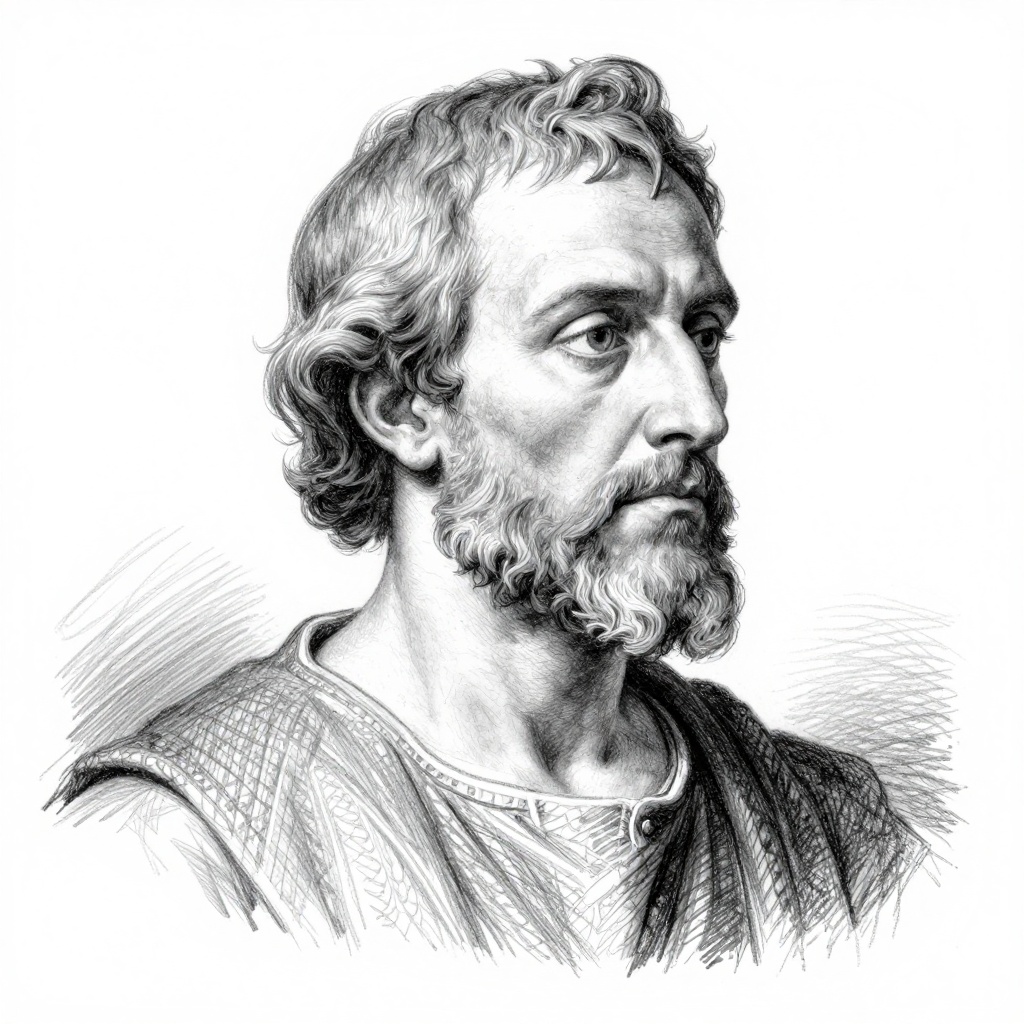
Comments