Quote · Added 14 February 2026
You cannot believe in God until you believe in yourself.
Swami VivekanandaThe Lion Who Carried Vedanta to the World, Sanathana Yatra, 2023
No ratings yet
Filed underbelief·self·spirituality
Quote · Added 14 February 2026
Filed underbelief·self·spirituality
There's something quietly radical here: the idea that self-doubt and faith are fundamentally incompatible. Most of us think belief works the opposite way—that we need to diminish ourselves to make room for something greater. But Vivekananda suggests something more unsettling. If you can't trust your own judgment, your own worth, your own capacity to discern truth, how could you possibly trust a connection to the divine? You'd be building faith on quicksand.
This shows up everywhere in real life, often disguised as humility. Someone stays in a situation that diminishes them because they've internalized the message that self-doubt is virtuous. A person second-guesses their own ethical intuitions because they believe they're fundamentally untrustworthy. They outsource their entire moral compass to authority figures, never developing the internal compass that might actually let them hear something deeper.
The non-obvious part is that this isn't about ego or arrogance. It's about integrity—about knowing what you actually believe and why, about trusting that your mind and conscience aren't liars. That kind of grounded self-respect isn't the opposite of spiritual depth. For Vivekananda, it's the foundation.
1863–1902·lived 39 years
Swami Vivekananda, born Narendranath Datta, was an influential Indian monk and philosopher of the 19th century. He was a key figure in the introduction of Indian philosophies of Vedanta and Yoga to the Western world and is best known for his inspiring speeches at the Parliament of the World's Religions in Chicago in 1893, where he introduced Hinduism to a global audience and emphasized the universality of all religions.
Also by Swami Vivekananda
All the powers in the universe are already ours. It is we who have put our hands before ou...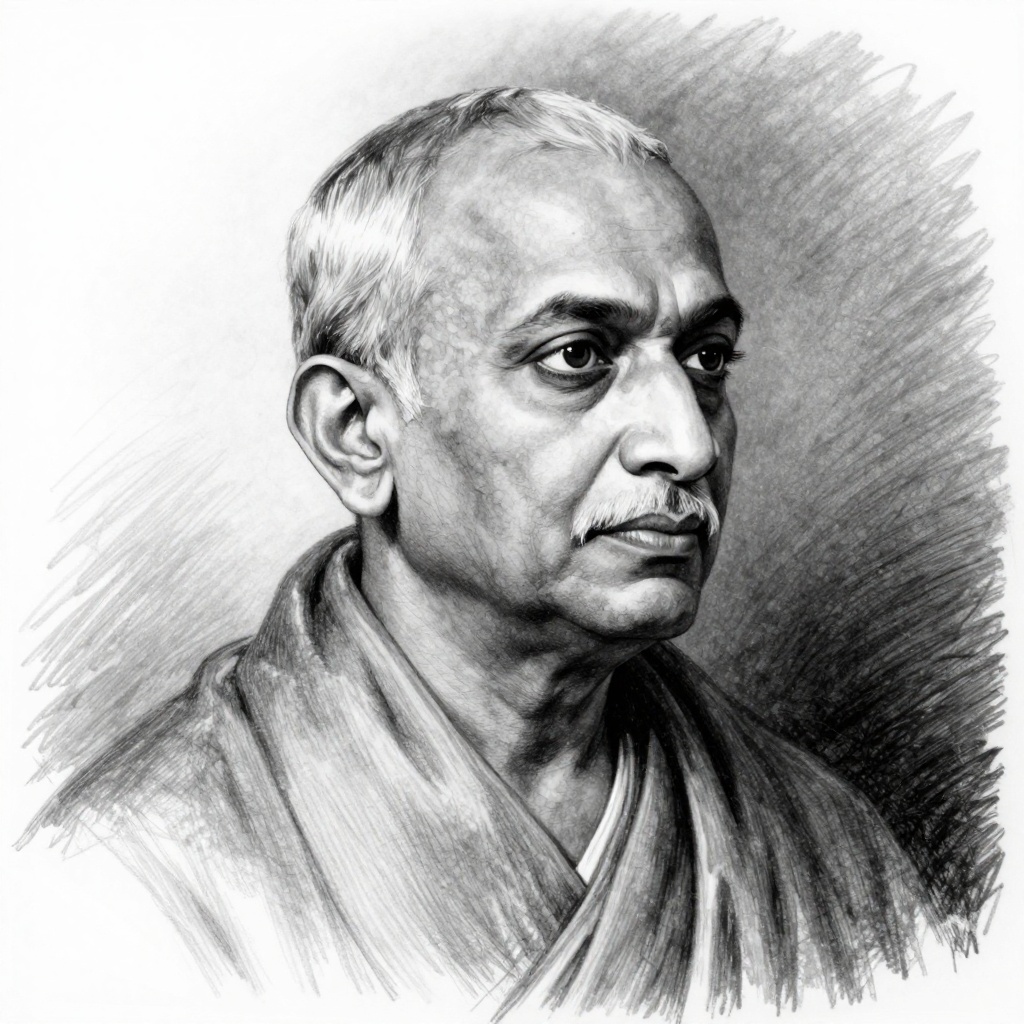
Comments