Quote · Added 20 October 2023
Arise, awake, and stop not until the goal is achieved.
Swami VivekanandaLectures of Swami Vivekananda, 1900
No ratings yet
Filed undergoal·perseverance·motivation
Quote · Added 20 October 2023
Filed undergoal·perseverance·motivation
There's a particular kind of exhaustion that comes from being almost awake—knowing what you want but not quite committing to it. This quote cuts through that half-life. It's not asking you to be perfect or to never rest; it's asking you to stop pretending the goal doesn't matter while you scroll or procrastinate or wait for the "right moment." The "arise" part is the hardest. It means deciding, right now, that this thing is worth your actual time and energy.
What's interesting is how this plays out in modern life, where we're told to be flexible and keep options open. But Vivekananda is suggesting something older: that there's power in commitment itself, regardless of whether you succeed. The stopping point matters less than the refusing to stop. Most people don't fail because they're incapable—they fail because they quit when it got hard, or worse, they never really started.
The phrase "stop not" also cuts against our culture of balance and self-care. It doesn't mean burn yourself out. It means: don't abandon the work just because you're tired, scared, or distracted. There's a difference between rest and surrender.
1863–1902·lived 39 years
Swami Vivekananda, born Narendranath Datta, was an influential Indian monk and philosopher of the 19th century. He was a key figure in the introduction of Indian philosophies of Vedanta and Yoga to the Western world and is best known for his inspiring speeches at the Parliament of the World's Religions in Chicago in 1893, where he introduced Hinduism to a global audience and emphasized the universality of all religions.
Also by Swami Vivekananda
All the powers in the universe are already ours. It is we who have put our hands before ou...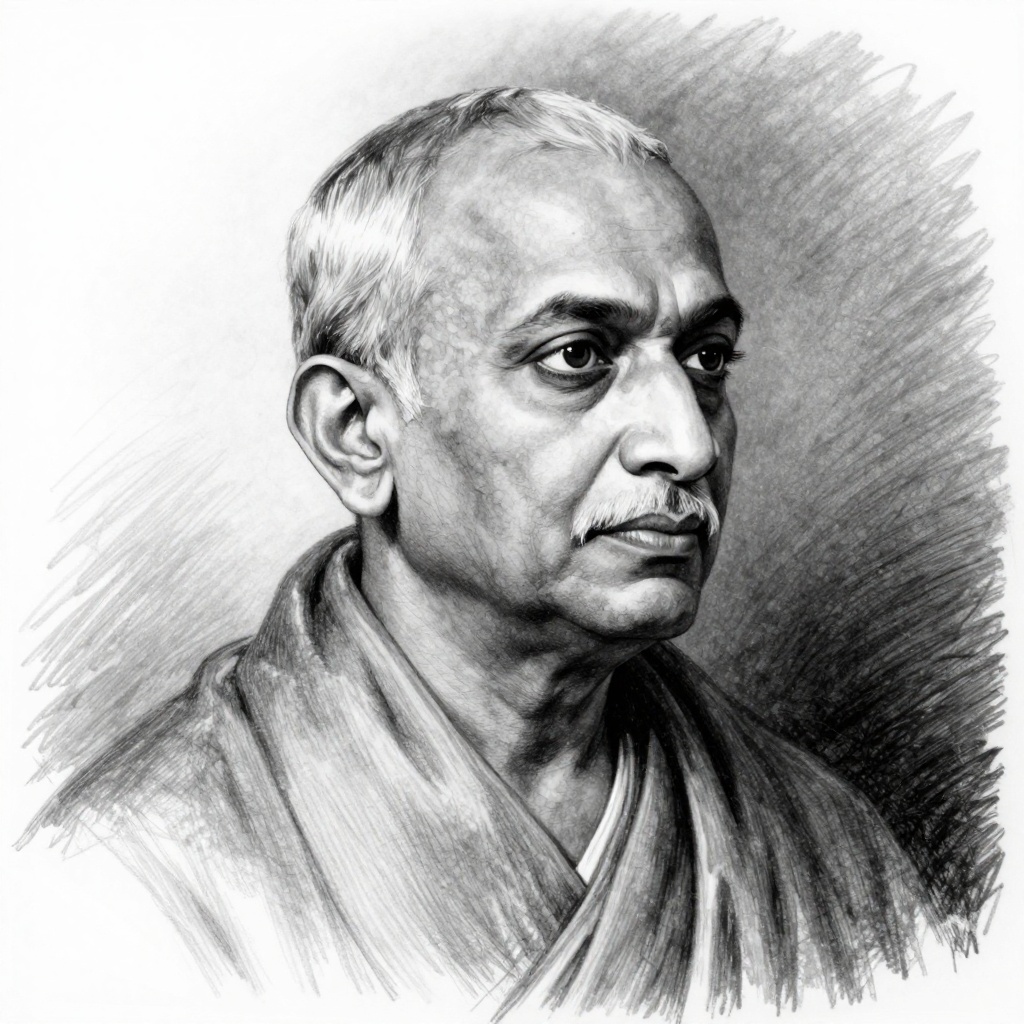
Comments