Quote · Added 14 February 2026
When the nation can act freely, then China may be called strong. To make the nation free, we must each sacrifice his freedom.
Sun Yat-senSun's Second People's Principle, 1924
No ratings yet
Quote · Added 14 February 2026
There's a paradox at the heart of this idea that most of us feel in small ways every day. When you're part of a team that actually works—whether that's a family, a workplace, or a community—the people who make it function best aren't usually the ones defending their personal territory hardest. They're the ones willing to show up on time, keep their word, listen more than they talk. Their individual freedoms get shaped by commitment to something larger, and somehow that's exactly what makes the whole thing actually free to move forward.
The tricky part is that this cuts both ways. Yes, a society where everyone sacrifices selfishness for the collective good can be genuinely powerful and coordinated. But history shows us that when leaders use this logic as cover for erasing dissent or crushing individuality, the sacrifice becomes one-directional and suffocating. The difference lies in whether that shared commitment is chosen or coerced. Real strength probably requires both: people willing to subordinate some personal impulses for collective welfare, and systems that protect space for different voices and choices. Without either part, you get either chaos or control—neither of which is actually freedom.
1866–1925·lived 58 years
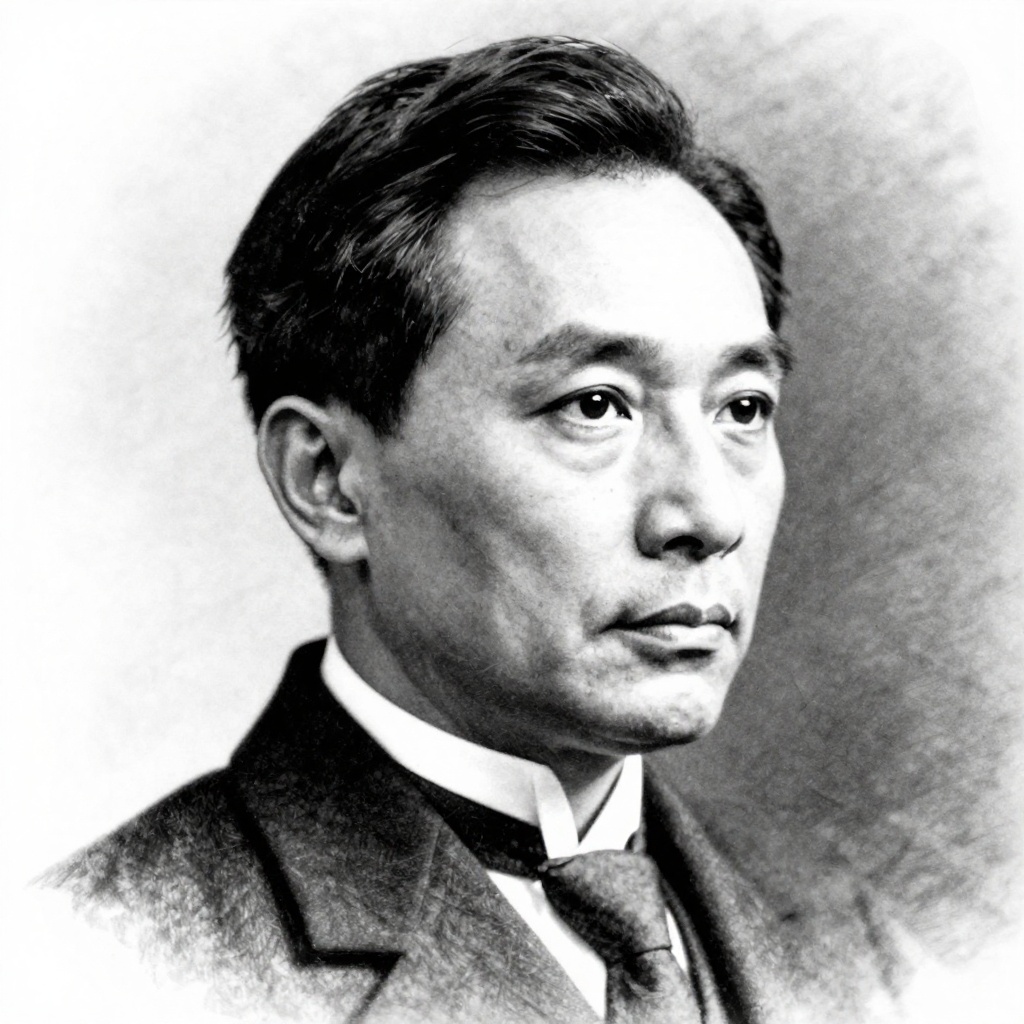
Sun Yat-sen was a Chinese politician and revolutionary born on November 12, 1866. He is best known as the founding father of the Republic of China and played a crucial role in overthrowing the Qing Dynasty, advocating for democratic principles and nationalism. Sun is revered for his vision of modernizing China and is often referred to as the "Father of Modern China."
Comments