Quote · Added 14 February 2026
Profit is sweet, even if it comes from deception.
No ratings yet
Quote · Added 14 February 2026
We live in an age where the shortcuts are everywhere and the consequences feel distant. A quick misleading claim gets clicks. A slightly exaggerated resume lands the job. A product promise you know you can't quite keep still moves inventory. The payoff is immediate and real—money in the account, status gained, problem solved. Sophocles understood this because humans haven't changed. The seduction of profit through deception is ancient because it actually works, at least in the moment.
What makes this quote sting isn't that it's wrong about human nature—it's that it's accurate about how deception feels. The satisfaction is genuine. Your nervous system doesn't distinguish between honest earnings and dishonest ones when the reward lands. That's partly why people do it. But Sophocles wasn't writing to endorse the behavior. He was naming a dangerous truth: the sweetness is real, which is exactly why we need to watch ourselves. The pleasure of easy profit can cloud our judgment about what we're actually becoming. It's the gap between how good something feels in the moment and what it costs us later—the trust eroded, the person you're training yourself to be—that's worth reckoning with.
d. 406
Sophocles was an ancient Greek playwright and one of the three ancient Greek tragedians whose works have survived. Born around 496 BC in Colonus, Athens, he is best known for his plays "Oedipus Rex," "Antigone," and "Electra," which explore complex themes of fate, ethics, and human suffering. Sophocles is also notable for introducing innovations in theatrical performance, such as the use of scenery and the introduction of a third actor, which greatly influenced the development of drama.
Also by Sophocles
Heaven never helps the man who will not act.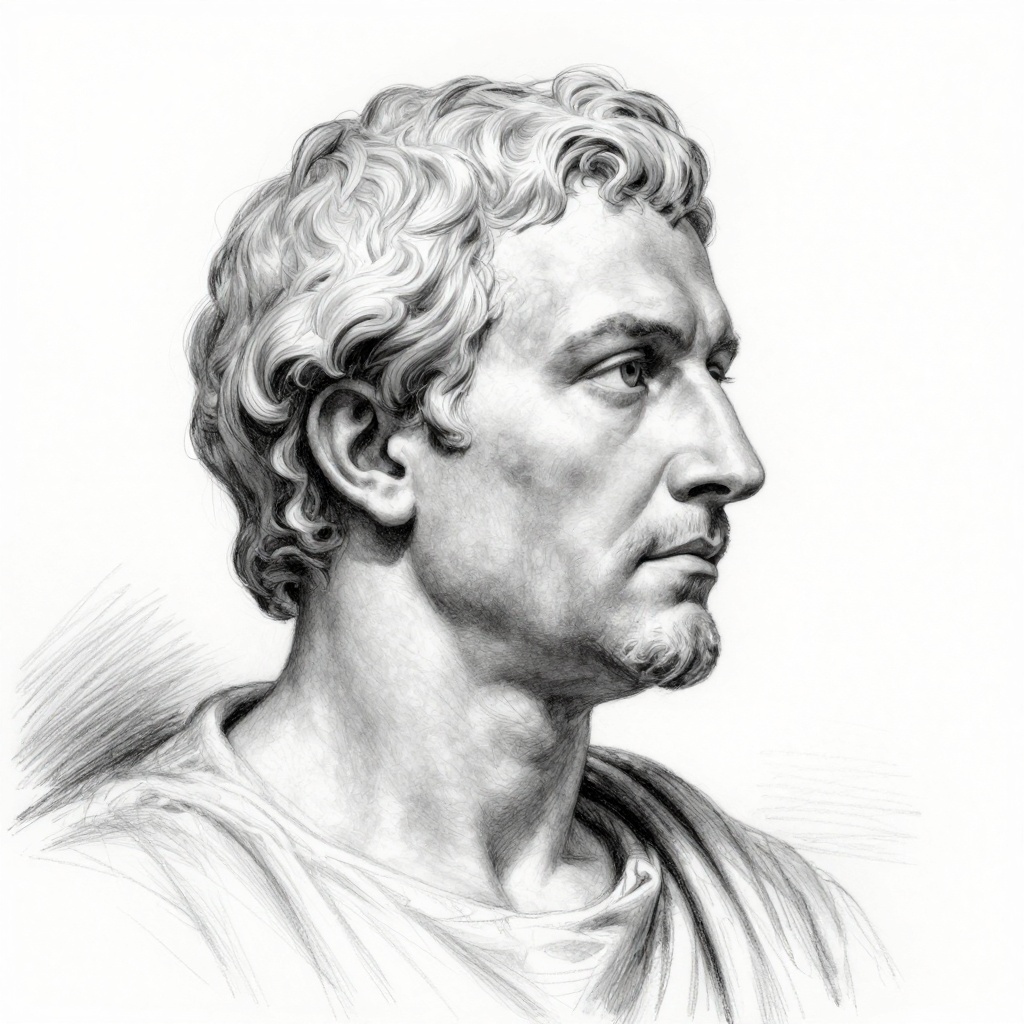
Comments