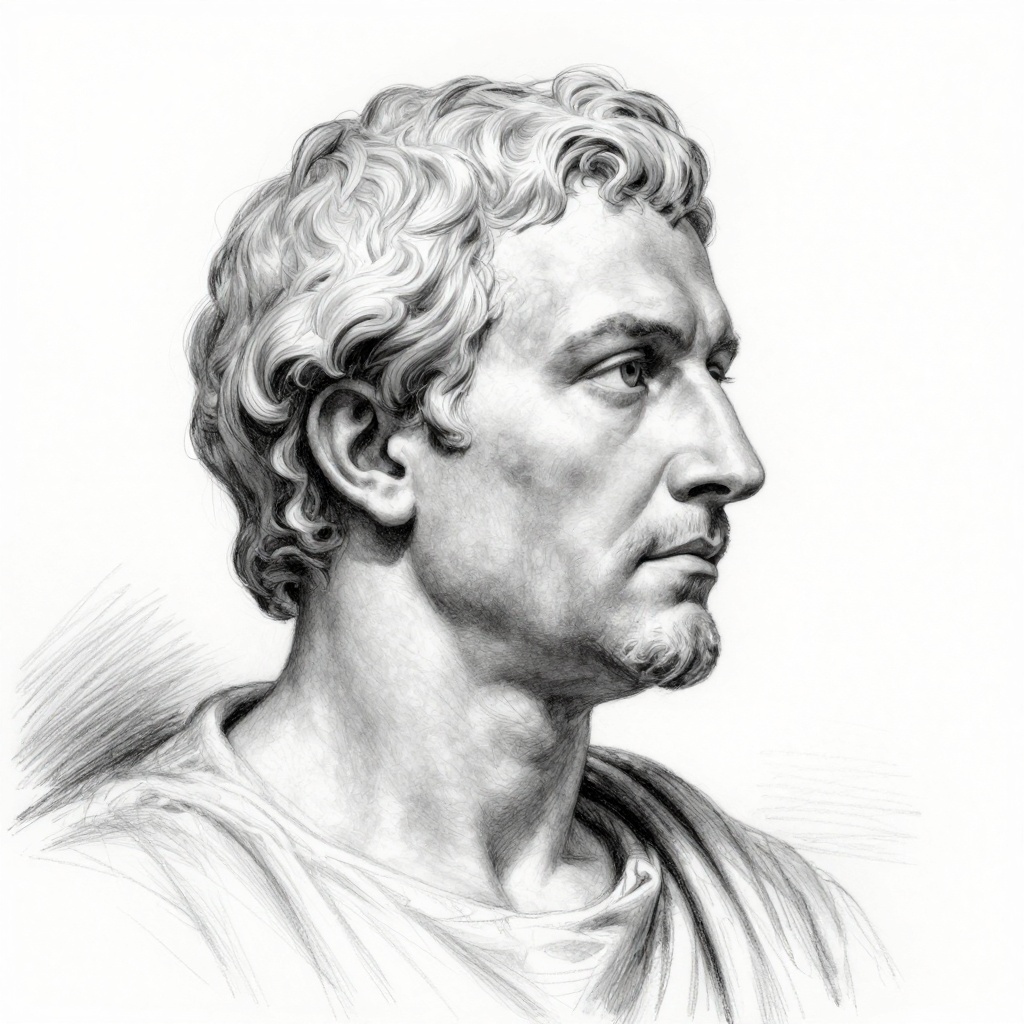
Money is the worst currency that ever grew among mankind. This sacks cities, this drives men from their homes,... — Sophocles

Money is the worst currency that ever grew among mankind. This sacks cities, this drives men from their homes, this teaches and corrupts the worthiest minds to turn base deeds.

Author: Sophocles

Insight: There's something almost refreshing about how bluntly Sophocles names what money does to us—not in some abstract economic sense, but as a corrupting force that changes who we are. We live in a time that celebrates financial success endlessly, yet we also feel the truth of this ancient observation in our bones. We watch people we respect compromise their values for a raise, or see whole communities hollowed out when corporations decide profit margins matter more than people staying put. Money doesn't just move resources around; it rewires our priorities until we barely recognize ourselves. The sneaky part is that money corrupts most effectively when we're not paying attention to it happening. It's not usually about dramatic betrayals. It's the slow drift where you take a job that pays well but doesn't align with what you care about, or you find yourself justifying shortcuts you once would have rejected. The "worthiest minds" Sophocles mentions aren't bad people—they're often the smartest, most ambitious ones, which is precisely why the stakes feel higher when they bend. None of this means money itself is evil or that you shouldn't care about financial security. But recognizing it as a corrupting force worth resisting is different from pretending it's morally neutral. The real question isn't whether to have money, but whether you're awake enough to notice when it's reshaping you.

Source: Antigone, lines 295-300

The slow drift toward compromise

Money is the worst currency that ever grew among mankind. This sacks cities, this drives men from their homes, this teaches and corrupts the worthiest minds to turn base deeds.

SophoclesAntigone, lines 295-300

There's something almost refreshing about how bluntly Sophocles names what money does to us—not in some abstract economic sense, but as a corrupting force that changes who we are. We live in a time that celebrates financial success endlessly, yet we also feel the truth of this ancient observation in our bones. We watch people we respect compromise their values for a raise, or see whole communities hollowed out when corporations decide profit margins matter more than people staying put. Money doesn't just move resources around; it rewires our priorities until we barely recognize ourselves.

The sneaky part is that money corrupts most effectively when we're not paying attention to it happening. It's not usually about dramatic betrayals. It's the slow drift where you take a job that pays well but doesn't align with what you care about, or you find yourself justifying shortcuts you once would have rejected. The "worthiest minds" Sophocles mentions aren't bad people—they're often the smartest, most ambitious ones, which is precisely why the stakes feel higher when they bend.

None of this means money itself is evil or that you shouldn't care about financial security. But recognizing it as a corrupting force worth resisting is different from pretending it's morally neutral. The real question isn't whether to have money, but whether you're awake enough to notice when it's reshaping you.

AI generated

Comments

Sign in to leave a comment or reply to one.

Sign in

Sophocles

Sophocles was an ancient Greek playwright and one of the three ancient Greek tragedians whose works have survived. Born around 496 BC in Colonus, Athens, he is best known for his plays "Oedipus Rex," "Antigone," and "Electra," which explore complex themes of fate, ethics, and human suffering. Sophocles is also notable for introducing innovations in theatrical performance, such as the use of scenery and the introduction of a third actor, which greatly influenced the development of drama.

Graph

Related