Quote · Added 14 February 2026
I would prefer even to fail with honor than win by cheating.
SophoclesAntigone, 442 BC
No ratings yet
Quote · Added 14 February 2026
There's a peculiar modern trap we fall into: the belief that if everyone's doing it, it stops being wrong. A little inflation on your resume, borrowed homework, cutting corners on a project when no one's watching—these feel less like cheating and more like just playing the game smarter. But Sophocles understood something we keep relearning: winning that way poisons the victory itself. You might get the job, the grade, the promotion, but you'll always know how you got it.
The harder part isn't the moral clarity—most of us know cheating is wrong. It's living with the knowledge that you could have taken the shortcut and didn't. That requires a kind of quiet confidence that's increasingly rare. It means believing your honest attempt, even if it fails, says something truer about who you are than a hollow success ever could.
What makes this radical today isn't the ethics; it's the implicit faith in your own potential. Choosing failure over dishonor means you genuinely believe you're capable of something better, even if you can't see it yet. That's not naive. That's actually the most pragmatic thing you can build—a reputation and a self-image you never have to apologize for.
d. 406
Sophocles was an ancient Greek playwright and one of the three ancient Greek tragedians whose works have survived. Born around 496 BC in Colonus, Athens, he is best known for his plays "Oedipus Rex," "Antigone," and "Electra," which explore complex themes of fate, ethics, and human suffering. Sophocles is also notable for introducing innovations in theatrical performance, such as the use of scenery and the introduction of a third actor, which greatly influenced the development of drama.
Also by Sophocles
Heaven never helps the man who will not act.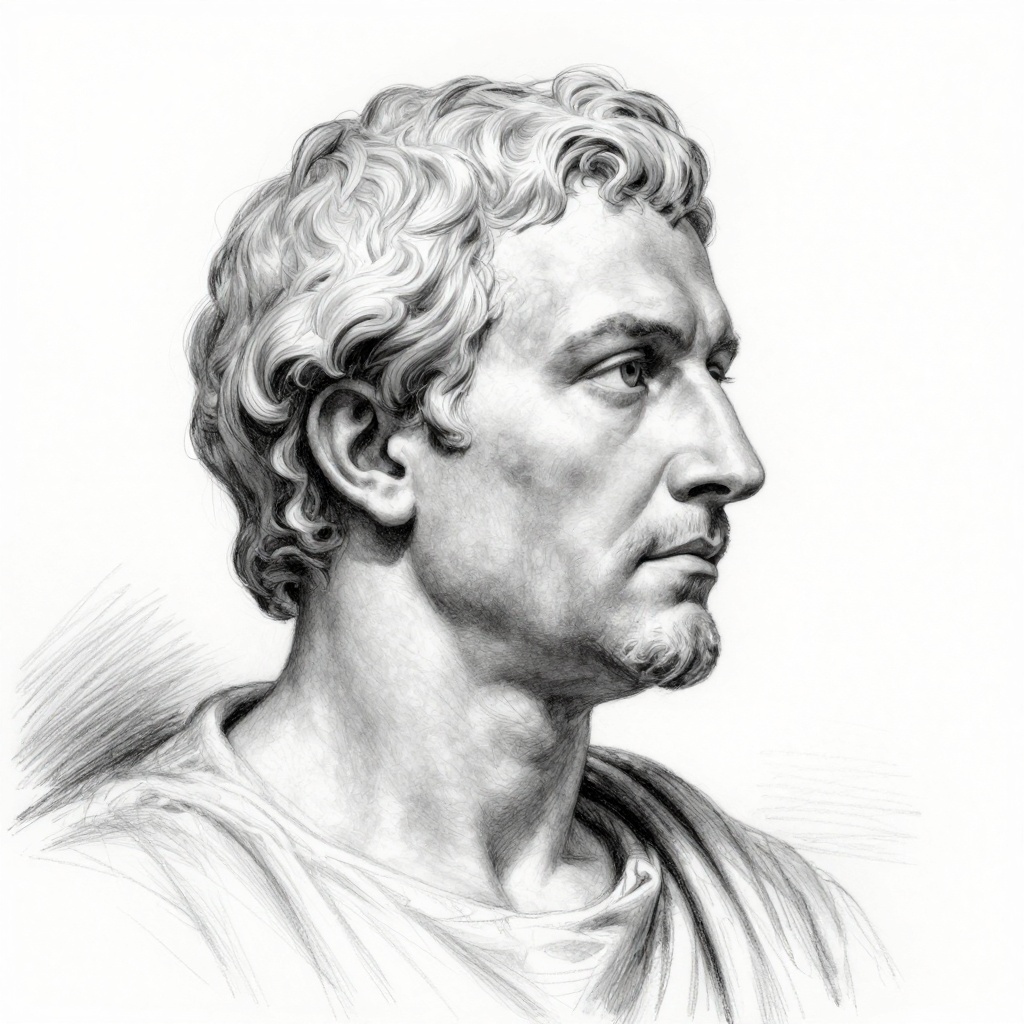
Comments