Quote · Added 14 February 2026
Alas, how quickly the gratitude owed to the dead flows off, how quick to be proved a deceiver.
SophoclesAntigone, 441 BC
No ratings yet
Quote · Added 14 February 2026
We've all made promises at a funeral that we half-meant in the moment. We'll honor their memory, we'll live by their values, we'll tell their stories. But then weeks pass, then months, and life pulls us back into its ordinary currents. We forget the specific way they laughed. We stop reaching for the lessons they tried to teach us. That guilt we feel isn't weakness—it's the friction between our sincere intentions and the relentless gravity of daily living.
Sophocles understood something uncomfortable: gratitude toward the dead requires constant, active maintenance. It's not a feeling that sustains itself. Without deliberate effort, it doesn't linger—it evaporates. We're not necessarily deceiving ourselves out of cruelty; we're just human. We're busy, distracted, and our brains are wired to move forward. The real test isn't whether we remember perfectly, but whether we're honest about the forgetting and try anyway.
Maybe the point isn't to feel crushing guilt about imperfect remembrance. It's to notice the pattern, to recognize where we're letting things slip, and to occasionally interrupt that drift with something small but real. A ritual. A specific act. Something that says: I know I'm forgetful, but you mattered enough that I'm trying still.
d. 406
Sophocles was an ancient Greek playwright and one of the three ancient Greek tragedians whose works have survived. Born around 496 BC in Colonus, Athens, he is best known for his plays "Oedipus Rex," "Antigone," and "Electra," which explore complex themes of fate, ethics, and human suffering. Sophocles is also notable for introducing innovations in theatrical performance, such as the use of scenery and the introduction of a third actor, which greatly influenced the development of drama.
Also by Sophocles
Heaven never helps the man who will not act.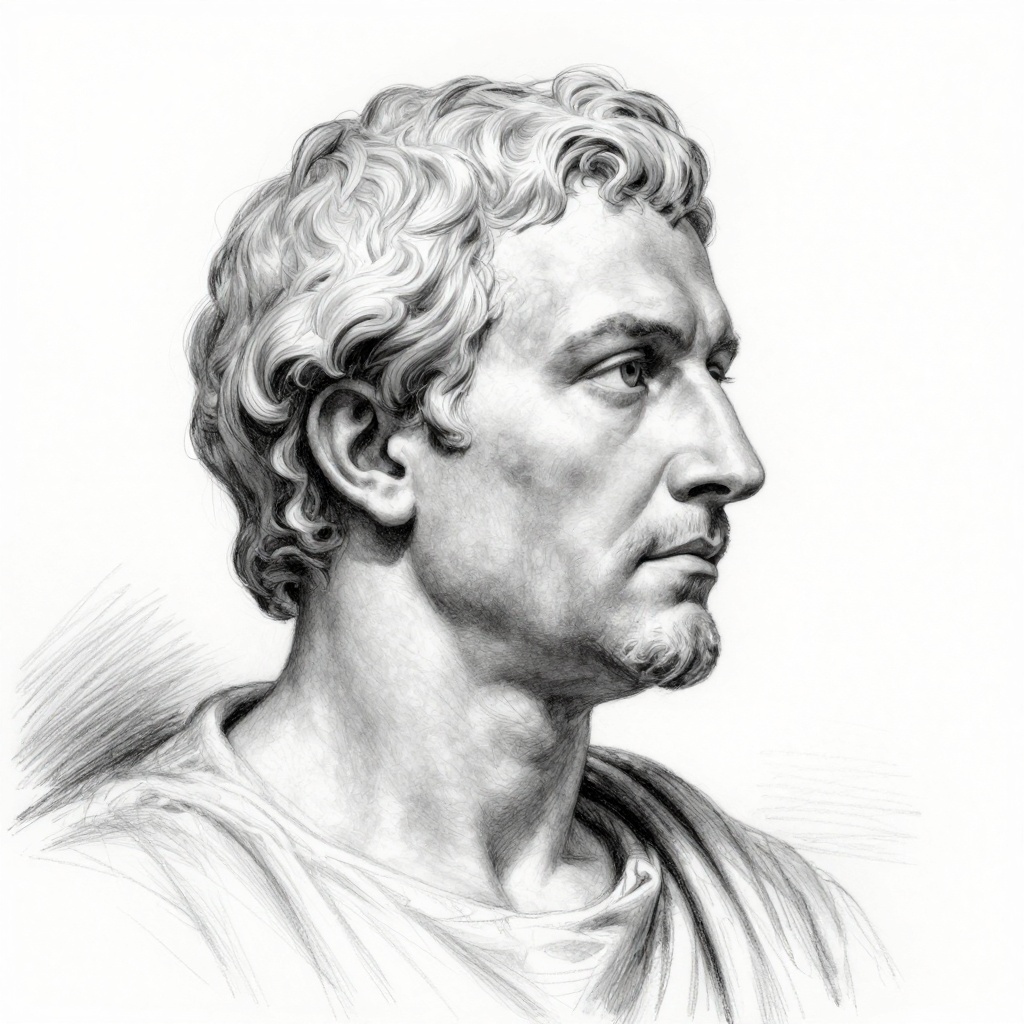
Comments