Quote · Added 14 February 2026
No man but a blockhead ever wrote except for money.
Samuel JohnsonThe Life of Samuel Johnson, p. 123, 1791
No ratings yet
Quote · Added 14 February 2026
We tend to romanticize the starving artist—the pure creative soul unburdened by commercial concerns. But Johnson's blunt take cuts through that myth. He's not saying all writing is mercenary; he's saying that pretending you don't need to eat is a luxury most people can't afford. When you write without expecting payment, you're either wealthy enough to absorb the loss or you're deluding yourself about why you're really doing it.
What's interesting is how this applies way beyond publishing. We hear a lot about "passion projects" and "doing what you love," but notice how those phrases mostly come from people with financial cushions. The freelancer taking gigs they don't enjoy, the parent working a day job before writing at night—they're not blockheads. They're being realistic about how survival works. Johnson understood that acknowledging the money isn't cynical; it's honest. The real question isn't whether payment matters. It's whether we'll be honest about the fact that it does, and stop judging people for needing it.
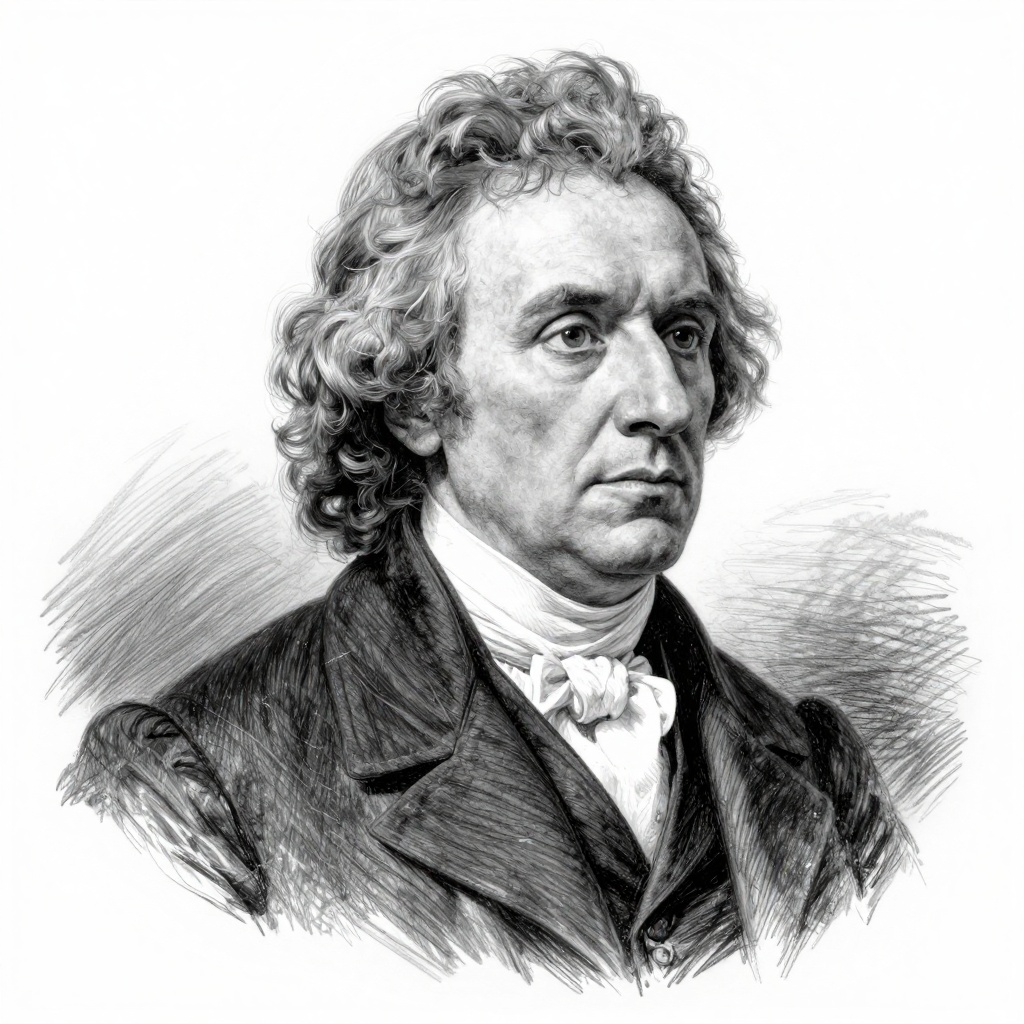
1709–1784·lived 75 years
Samuel Johnson (1709–1784) was an English writer, lexicographer, and critic who is best known for his influential work, "A Dictionary of the English Language," published in 1755. Johnson's witty essays, literary criticism, and biographies were also highly regarded during the 18th century and continue to be studied for their insights into the English language and literature.
Comments