Quote · Added 10 February 2026
To reach something good it is very useful to have gone astray, and thus acquire experience.
Saint Teresa of ÁvilaThe Way of Perfection, 2013
No ratings yet
Filed underexperience·growth·learning
Quote · Added 10 February 2026
Filed underexperience·growth·learning
Most of us treat mistakes like detours we're desperate to avoid. We study harder to prevent failures, plan more carefully, set up systems so nothing goes wrong. But there's something backward about this thinking. The times we've genuinely learned something about ourselves—what we actually want, what we can handle, where our limits really are—usually came after we got it wrong first.
This doesn't mean failure is good in itself. It's the reflection afterward that matters. When you've taken a wrong path, you understand not just intellectually but in your bones why the right one makes sense. You've felt the difference. Someone who's never struggled with patience doesn't really understand discipline the way someone does who's had to claw their way back from years of impatience. The person who's burned through relationships carelessly understands real commitment differently than someone who drifted into it smoothly.
The tricky part is actually extracting that learning. You can fail repeatedly and come away with nothing but bitterness. But if you're willing to look honestly at what went wrong—not to punish yourself, but to understand—then suddenly your mistakes become education. Not wasted time. Real experience.
1515–1582·lived 67 years
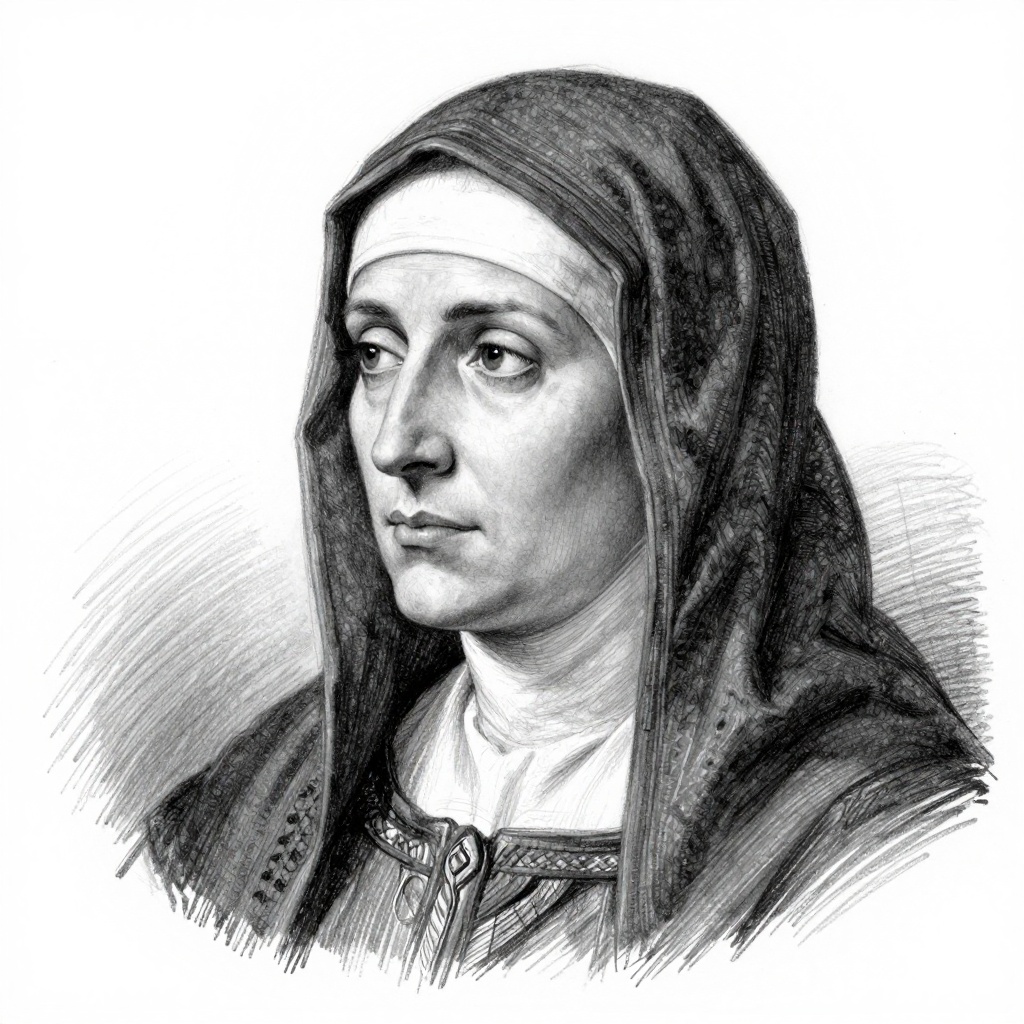
Saint Teresa of Ávila (1515–1582) was a Spanish nun, mystic, and a prominent figure in the Catholic Reformation. She was a reformer of the Carmelite Order and is known for her spiritual writings, including her autobiography "The Life of Teresa of Jesus," which documented her mystical experiences and teachings on prayer and contemplation. She was later canonized as a saint by the Catholic Church and is considered a Doctor of the Church.
Comments