Quote · Added 14 February 2026
What then is time? If no one asks me, I know what it is. If I wish to explain it to him who asks, I do not know.
Saint AugustineConfessions, Book XI, 397
No ratings yet
Filed undertime·uncertainty·understanding
Quote · Added 14 February 2026
Filed undertime·uncertainty·understanding
We all live inside time—we navigate it constantly, make plans around it, feel its pressure—yet the moment someone asks us to actually define it, we freeze. Augustine nailed something real here: time is one of those fundamental experiences that dissolves the instant we try to examine it too closely. You know exactly what you mean when you say "I'm running out of time" or "that felt like forever," but ask yourself what time actually is, and suddenly you're fumbling around with words like "the movement of moments" or "change happening" without really landing anywhere solid.
The modern twist is that we've built entire lives trying to measure and quantify time—time tracking, productivity apps, schedules down to the minute—as if nailing down the numbers means we understand it better. But Augustine suggests the opposite: the more we try to pin it down, the slipperier it becomes. Maybe that's why so many of us feel anxious about time despite having more tools to manage it than ever. We're obsessing over something we don't actually understand, trying to control what might be fundamentally beyond our grasp.
The real wisdom isn't that we should stop thinking about time. It's that there's a difference between living in it and analyzing it—and sometimes accepting that gap, rather than fighting it, is what actually frees us.
d. 430
Saint Augustine, also known as Augustine of Hippo, was a renowned Christian theologian and philosopher from the 4th and 5th centuries. He is known for his influential writings on theology and his significant contributions to the development of Western Christianity. Augustine's most famous work, "Confessions," is considered a classic of Christian literature and continues to impact modern philosophical and theological thought.
Also by Saint Augustine
There is no saint without a past, no sinner without a future.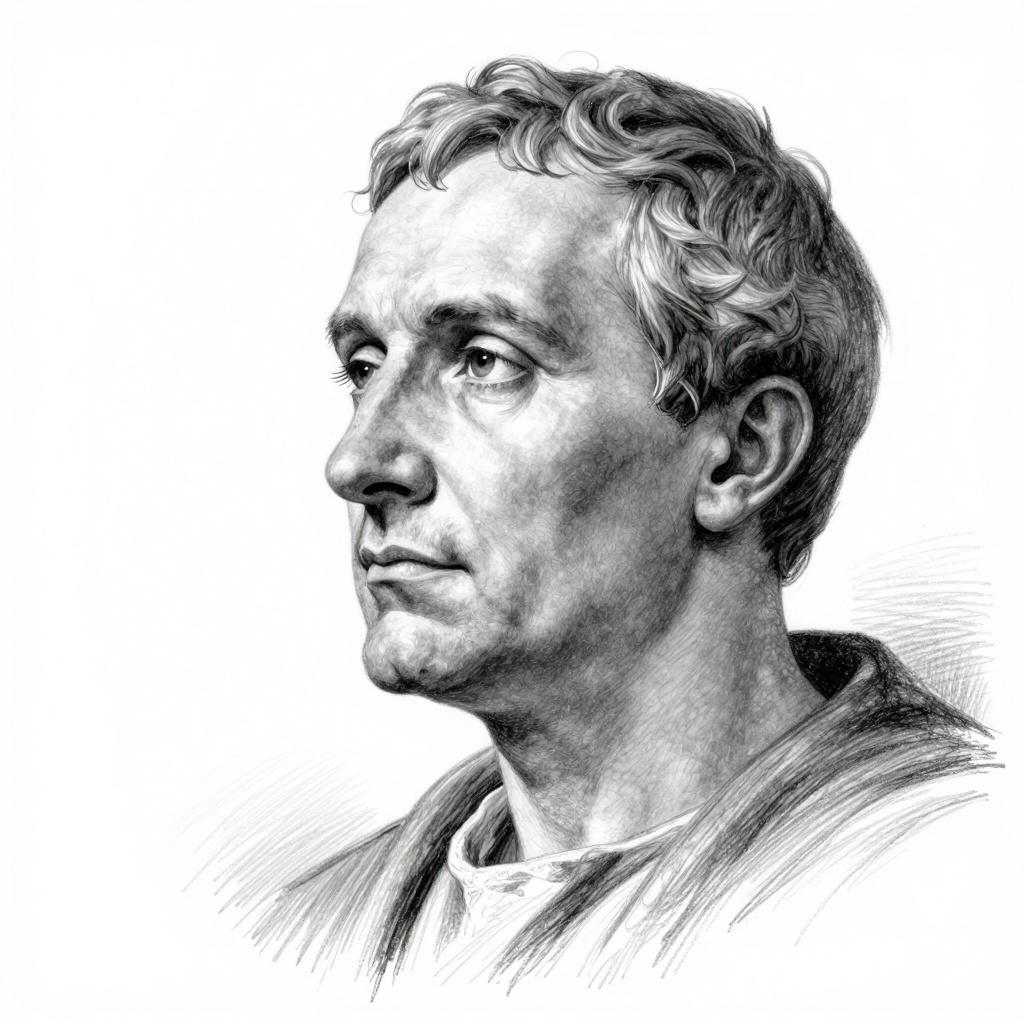
Comments