Quote · Added 14 February 2026
Only a person who has passed through the gate of humility can ascend to the heights of the spirit.
Rudolf SteinerThe Philosophy of Freedom, 1894
No ratings yet
Quote · Added 14 February 2026
There's something counterintuitive about humility that most of us miss. We often treat it as weakness—something timid people do, or what you're forced into after failure. But this quote suggests the opposite: humility is actually a prerequisite for growth, not its opposite. You can't build on a foundation you don't acknowledge. The person who believes they've already figured it out stops learning. The person who knows how little they actually know becomes genuinely curious.
Think about moments when you've actually changed your mind about something important. It usually happened because you got humble enough to admit you were wrong. You had to pass through that uncomfortable gate—that moment of "I don't know as much as I thought"—before you could see something new. The same applies to any real skill or understanding. Musicians, artists, athletes, therapists—they all describe hitting walls that forced them to get small again, to become a beginner. That humbling reset is where the real progress happens.
The "heights of the spirit" part matters too. Steiner isn't just talking about practical learning. He's pointing to something deeper—the kind of personal transformation that makes life feel meaningful. That only comes when you stop performing certainty and start genuinely asking questions. Paradoxically, admitting what you don't know is what actually opens you up to becoming someone worth becoming.
1861–1925·lived 64 years
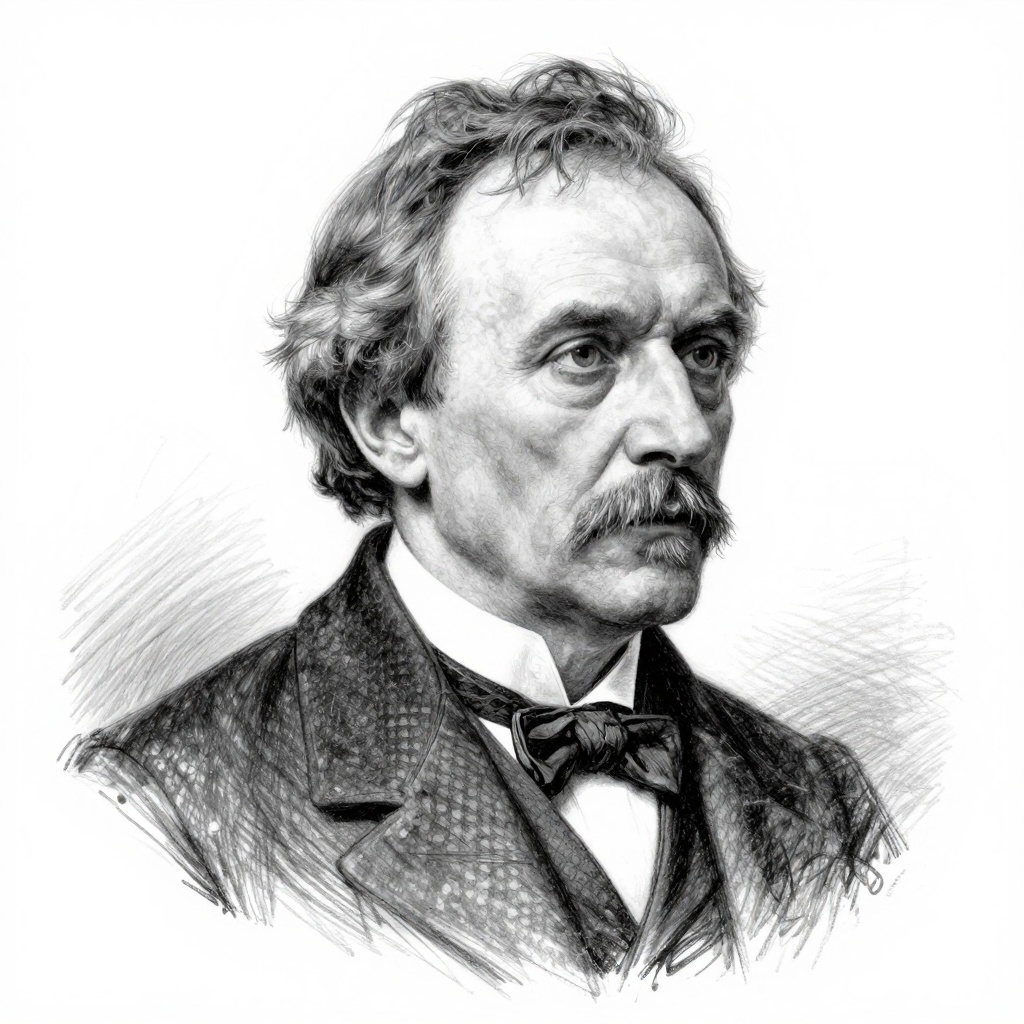
Rudolf Steiner (1861-1925) was an Austrian philosopher, social reformer, and esotericist best known for founding the spiritual movement of anthroposophy. He developed a holistic approach to education, agriculture, and the arts, which influenced the establishment of Waldorf schools and biodynamic farming. Steiner's work emphasized the link between spiritual development and practical life, impacting various fields including education, healthcare, and architecture.
Comments