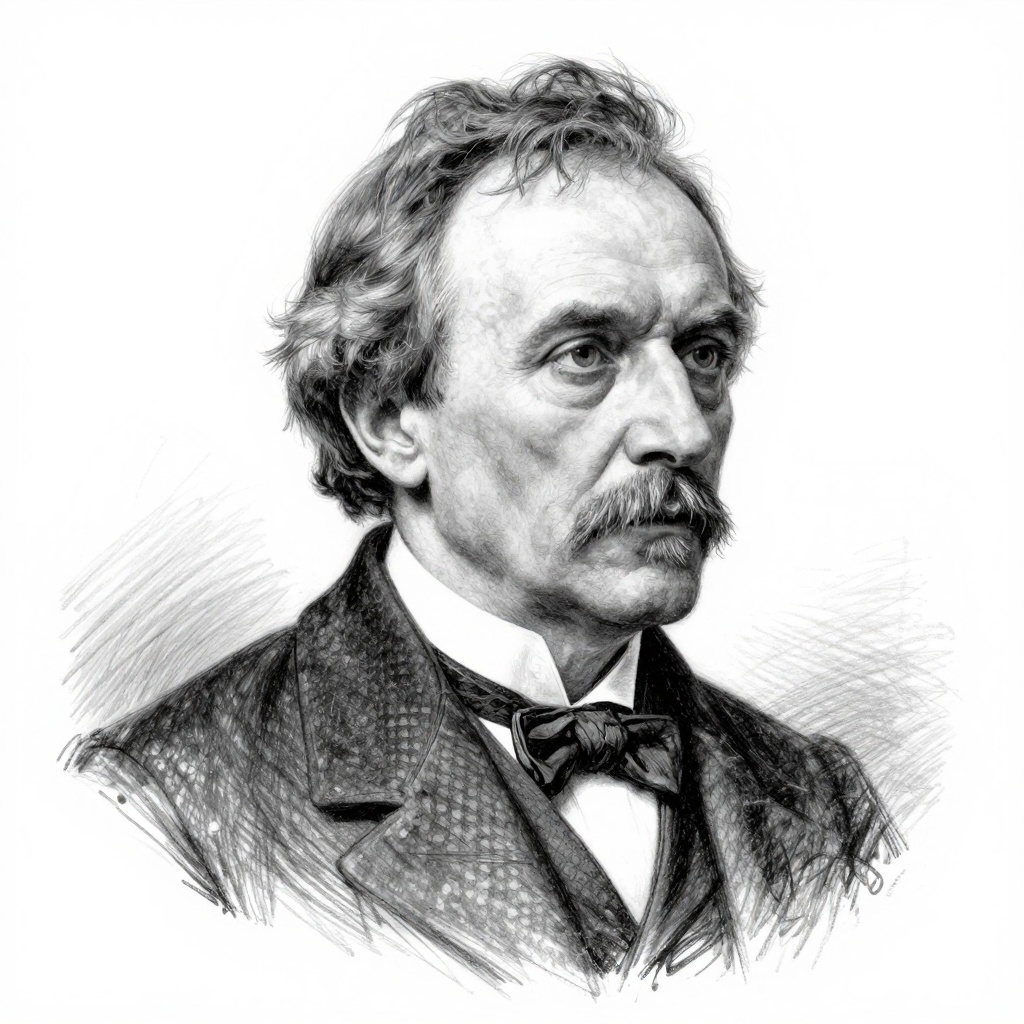
I have often called attention to the fact that walking through the streets in the Middle Ages was a different... — Rudolf Steiner

I have often called attention to the fact that walking through the streets in the Middle Ages was a different experience from nowadays. Right and left, there were house facades that were built out of what the soul felt and thought. Every key, every lock, carried the imprint of the person who had made it.

Author: Rudolf Steiner

Insight: Walking past a modern glass tower and an old stone building reveals something Steiner was getting at: the older structure somehow speaks to you in a way the newer one often doesn't. Every weathered doorframe, every quirky window placement tells you something about the person who made that choice, usually a craftsperson who cared enough to leave their fingerprints—literally or figuratively—on the work. Today we've largely outsourced this. We buy mass-produced locks, standardized fixtures, cookie-cutter designs. The efficiency is real and often practical, but something quieter gets lost. When you walk into a space where someone clearly spent time thinking about how you'd experience it—a small shop with hand-painted signs, a home with thoughtful details—you can feel the difference. It's not nostalgia; it's the recognition of human intentionality. The surprising part: this doesn't require going backward. It's about whether we're present and intentional in what we create or choose, whether we leave marks that matter. The medievalness of a space isn't about the era—it's about whether someone, somewhere, cared enough to make it personal. That choice is still available to all of us.

When craftsmanship leaves its mark

I have often called attention to the fact that walking through the streets in the Middle Ages was a different experience from nowadays. Right and left, there were house facades that were built out of what the soul felt and thought. Every key, every lock, carried the imprint of the person who had made it.

Walking past a modern glass tower and an old stone building reveals something Steiner was getting at: the older structure somehow speaks to you in a way the newer one often doesn't. Every weathered doorframe, every quirky window placement tells you something about the person who made that choice, usually a craftsperson who cared enough to leave their fingerprints—literally or figuratively—on the work.

Today we've largely outsourced this. We buy mass-produced locks, standardized fixtures, cookie-cutter designs. The efficiency is real and often practical, but something quieter gets lost. When you walk into a space where someone clearly spent time thinking about how you'd experience it—a small shop with hand-painted signs, a home with thoughtful details—you can feel the difference. It's not nostalgia; it's the recognition of human intentionality.

The surprising part: this doesn't require going backward. It's about whether we're present and intentional in what we create or choose, whether we leave marks that matter. The medievalness of a space isn't about the era—it's about whether someone, somewhere, cared enough to make it personal. That choice is still available to all of us.

AI generated

Comments

Sign in to leave a comment or reply to one.

Sign in

Rudolf Steiner

Rudolf Steiner (1861-1925) was an Austrian philosopher, social reformer, and esotericist best known for founding the spiritual movement of anthroposophy. He developed a holistic approach to education, agriculture, and the arts, which influenced the establishment of Waldorf schools and biodynamic farming. Steiner's work emphasized the link between spiritual development and practical life, impacting various fields including education, healthcare, and architecture.

Graph

Related