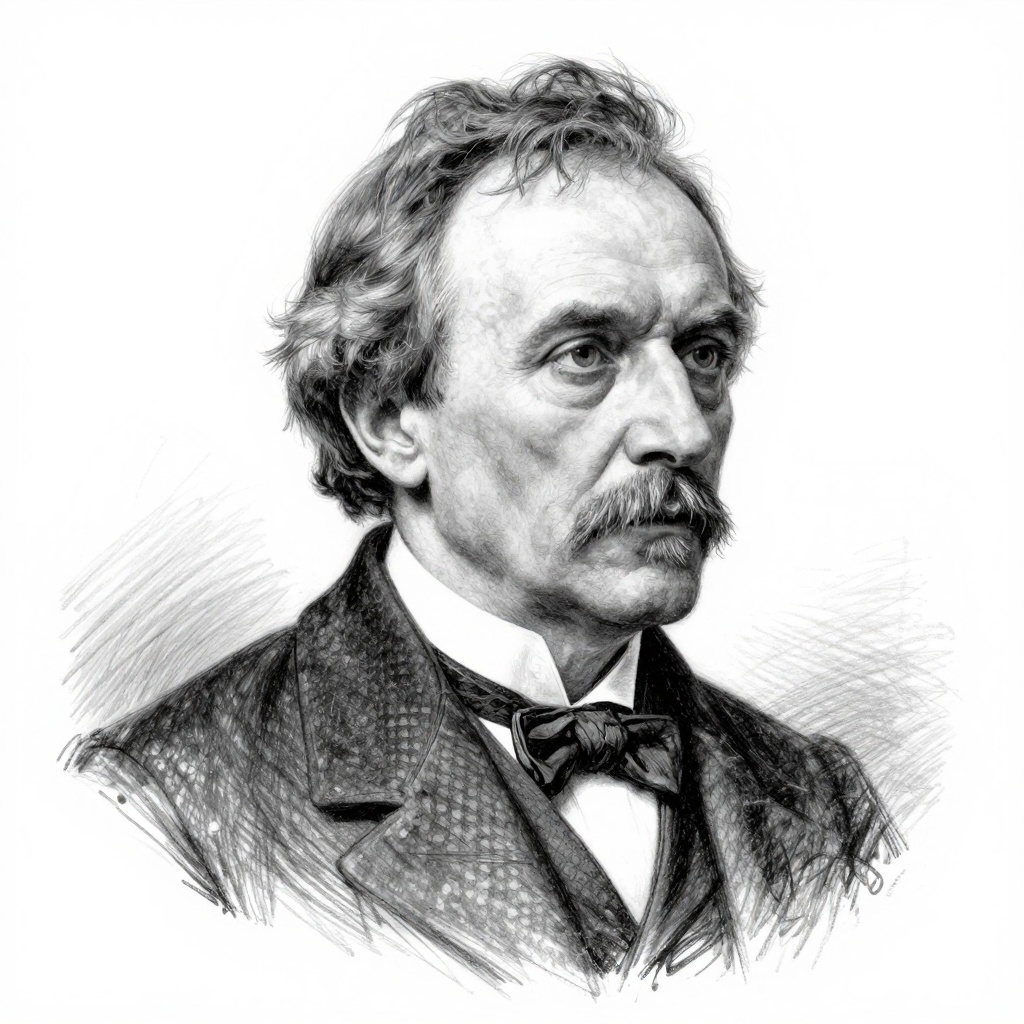
A healthy social life is found only when, in the mirror of each soul, the whole community finds its reflection... — Rudolf Steiner

A healthy social life is found only when, in the mirror of each soul, the whole community finds its reflection, and when, in the whole community, the virtue of each one is living.

Author: Rudolf Steiner

Insight: There's something almost mathematical about this idea, but it's really about a very human reciprocal responsibility. When you look at yourself honestly, you're supposed to see not just your own struggles but also the struggles of your community reflected back. And when your community looks outward, they should recognize themselves in you—your particular gifts, your effort, your integrity. It's not about perfection or self-sacrifice; it's about genuine interdependence. Most of us have experienced the opposite: communities where people feel like they're performing for strangers, or where individuals feel completely unseen. Social media has made this worse. We curate what we show, and communities become collections of personas rather than mirrors. But notice what Steiner's pointing to—a social life only becomes healthy when there's real reflection happening both ways. Your virtue actually matters to the whole, and the whole's health actually affects you. The non-obvious part? This isn't a call to suppress yourself for the group. It's saying that when a community is actually healthy, your flourishing and the group's flourishing aren't in conflict. They're the same thing. You don't have to choose between being genuinely yourself and being part of something larger. The tension most of us feel suggests we're either in unhealthy communities or we're not showing up authentically to the ones we're in.

You and your community mirror each other

A healthy social life is found only when, in the mirror of each soul, the whole community finds its reflection, and when, in the whole community, the virtue of each one is living.

There's something almost mathematical about this idea, but it's really about a very human reciprocal responsibility. When you look at yourself honestly, you're supposed to see not just your own struggles but also the struggles of your community reflected back. And when your community looks outward, they should recognize themselves in you—your particular gifts, your effort, your integrity. It's not about perfection or self-sacrifice; it's about genuine interdependence.

Most of us have experienced the opposite: communities where people feel like they're performing for strangers, or where individuals feel completely unseen. Social media has made this worse. We curate what we show, and communities become collections of personas rather than mirrors. But notice what Steiner's pointing to—a social life only becomes healthy when there's real reflection happening both ways. Your virtue actually matters to the whole, and the whole's health actually affects you.

The non-obvious part? This isn't a call to suppress yourself for the group. It's saying that when a community is actually healthy, your flourishing and the group's flourishing aren't in conflict. They're the same thing. You don't have to choose between being genuinely yourself and being part of something larger. The tension most of us feel suggests we're either in unhealthy communities or we're not showing up authentically to the ones we're in.

AI generated

Comments

Sign in to leave a comment or reply to one.

Sign in

Rudolf Steiner

Rudolf Steiner (1861-1925) was an Austrian philosopher, social reformer, and esotericist best known for founding the spiritual movement of anthroposophy. He developed a holistic approach to education, agriculture, and the arts, which influenced the establishment of Waldorf schools and biodynamic farming. Steiner's work emphasized the link between spiritual development and practical life, impacting various fields including education, healthcare, and architecture.

Graph

Related