Quote · Added 14 February 2026
By experience we find out a short way by a long wandering.
Roger AschamThe Schoolmaster, p. 15, 1570
No ratings yet
Filed underexperience·journey·discovery
Quote · Added 14 February 2026
Filed underexperience·journey·discovery
There's something uncomfortable about this truth: the fastest route to knowing something often looks like the slowest one. You can't really shortcut experience. You can read all the advice, watch the tutorials, listen to someone who's been there—and it still won't fully land until you've wandered through the confusion yourself and felt the consequences of your own mistakes.
The strange part is that this "long wandering" isn't wasted time, even though it feels inefficient while you're in it. It's actually how your brain locks things in. When you fumble through something yourself, you build intuition—that internal compass that lets you recognize patterns and make quick decisions without having to think it all through again. The person who read about relationships in books knows facts; the person who's had their heart broken knows something deeper that no amount of study could have taught them.
We live in an age obsessed with hacks and shortcuts, which makes this message even more relevant. The most valuable parts of growing up—becoming confident, knowing what you actually want, understanding people—these still require the long route. The shortcut is accepting that wandering itself is the point.
1515–1568·lived 53 years
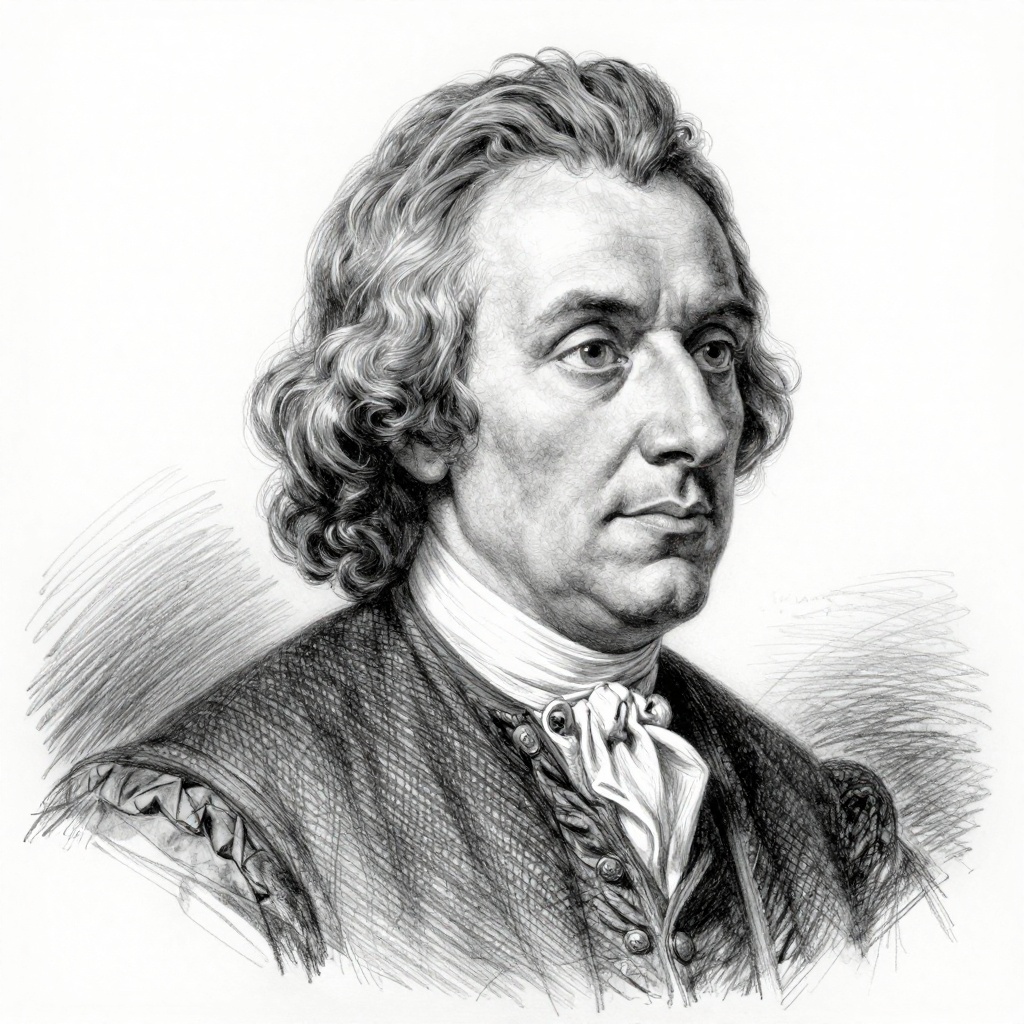
Roger Ascham was an English scholar and educator born around 1515 and known for his work as a humanist and tutor to Queen Elizabeth I. He gained prominence for his writings on education, particularly his book "The Scholemaster," which emphasized the importance of effective teaching methods and the use of classical texts. Ascham also contributed to the fields of rhetoric and language, becoming a significant figure in the development of educational practices in the Renaissance period.
Comments