Quote · Added 22 July 2025
The book is perhaps the most complex and greatest miracle of all the miracles created by humanity on its path to happiness and future power.
Robert G. IngersollThe Christian Religion, Project Gutenberg, 2011
No ratings yet
Quote · Added 22 July 2025
There's something almost forgotten about this claim in a world where we're constantly chasing the next technology. But if you really think about it, a book is almost absurdly powerful compared to what we usually celebrate. You can hold an entire person's lifetime of thinking in your hands. Someone can pour decades of learning, mistake-making, and hard-won wisdom into pages that cost almost nothing to copy and share. A single book can change how someone sees the world, sometimes in an afternoon.
What makes this truly miraculous isn't just the information—it's the intimacy of it. When you read, you're alone with another mind. There's no algorithm deciding what reaches you, no advertiser tailoring the message. It's a direct conversation across time that works the same whether you're rich or poor, connected or isolated. That democratic access to human thought is kind of staggering when you consider how rare it's been in history.
The slightly unsettling part of Ingersoll's point is that he's suggesting our greatest invention might not be machines or medicines, but this simple technology for preserving and transmitting thought. It means our real power has always been less about what we build and more about what we understand and remember. That's less flashy than innovation, but maybe more important.
1833–1899·lived 65 years
Robert G. Ingersoll (1833-1899) was an American lawyer, political figure, and one of the most prominent orators of the 19th century. Known as the "Great Agnostic," he gained fame for his strong advocacy of atheism, secularism, and the separation of church and state, delivering lectures that challenged religious dogma and promoted rational thought. Ingersoll's eloquent speeches and writings made him a significant figure in the broader movement for religious and intellectual freedom during his time.
Also by Robert G. Ingersoll
As more people become more intelligent they care less for preachers and more for teachers.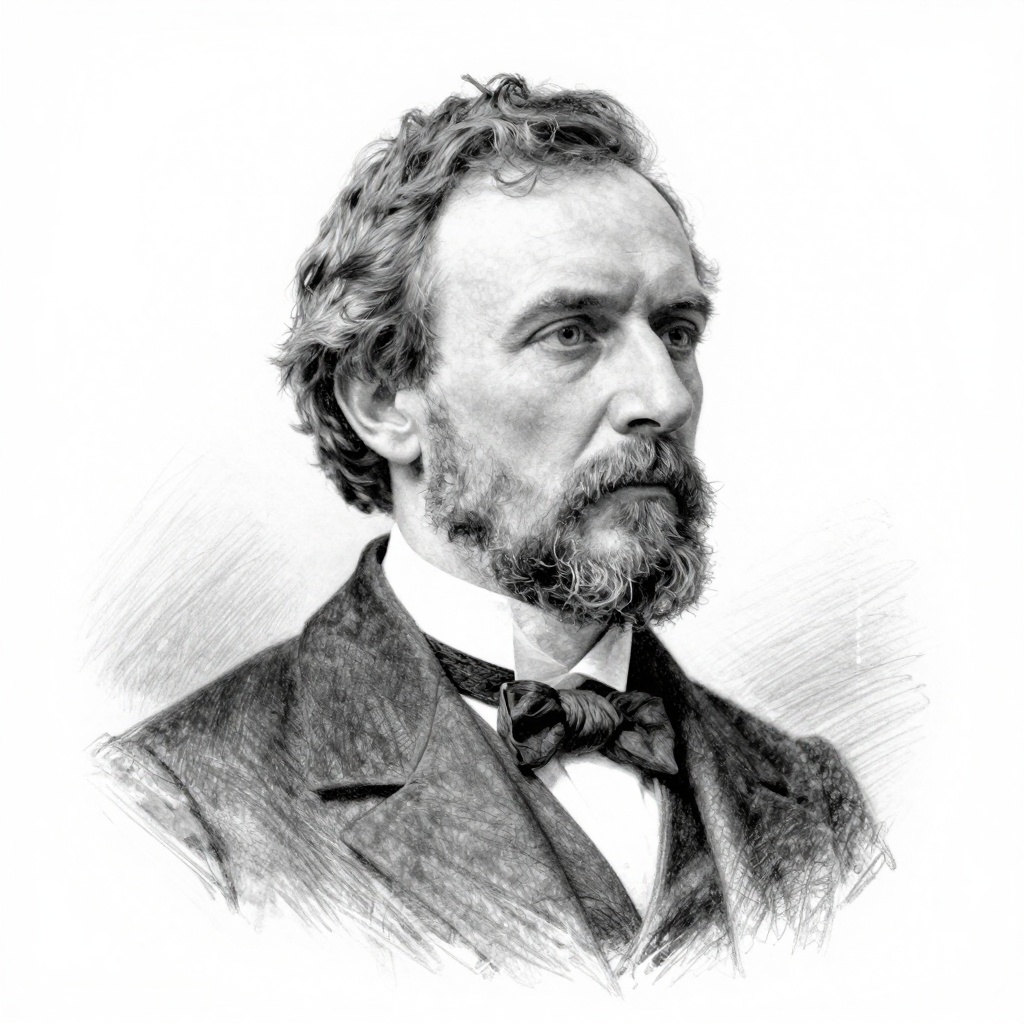
Comments