Quote · Added 14 February 2026
In the night of death, hope sees a star, and listening love can hear the rustle of a wing.
No ratings yet
Quote · Added 14 February 2026
There's something almost defiant about this image—the idea that even in your darkest moment, you're not actually alone in the dark. Ingersoll isn't saying the darkness goes away or that everything magically gets better. He's saying something quieter and stranger: that hope and love work like senses we forget we have. They let us perceive things that pure logic or fear would miss.
This matters because we live in a culture that often treats hope as naive and love as sentimental. We're taught to be realistic, which usually means focusing on what we can measure and verify. But Ingersoll is describing something real—the actual experience of finding meaning or connection in situations where you arguably have no rational reason to. People facing illness, loss, or failure often report exactly this: a moment where they stopped fighting the darkness and instead became aware of something they were already receiving. A conversation. A small gesture. A memory that still held weight.
The real shift isn't about conquering night or denying death. It's about training yourself to notice the star that's already there, and the wing-rustle of something moving toward you in the quiet.
1833–1899·lived 65 years
Robert G. Ingersoll (1833-1899) was an American lawyer, political figure, and one of the most prominent orators of the 19th century. Known as the "Great Agnostic," he gained fame for his strong advocacy of atheism, secularism, and the separation of church and state, delivering lectures that challenged religious dogma and promoted rational thought. Ingersoll's eloquent speeches and writings made him a significant figure in the broader movement for religious and intellectual freedom during his time.
Also by Robert G. Ingersoll
As more people become more intelligent they care less for preachers and more for teachers.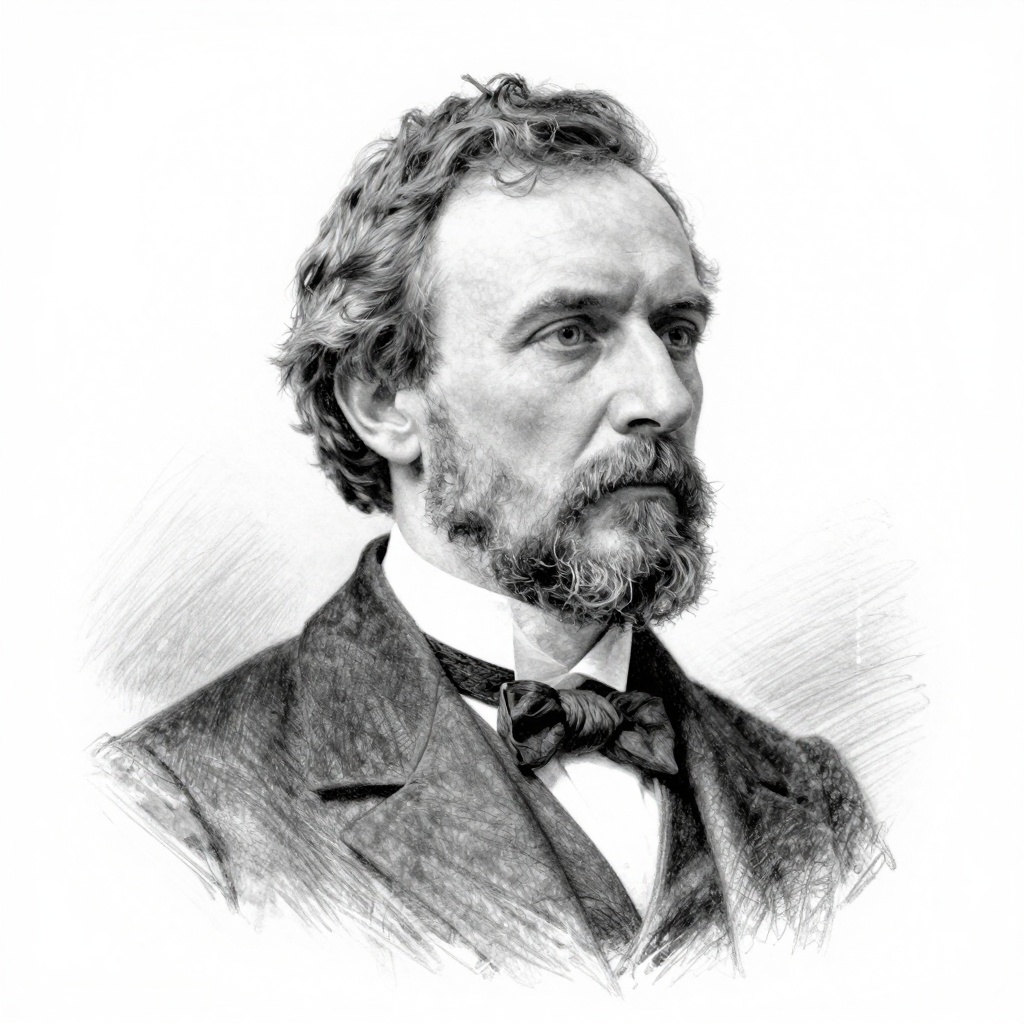
Comments