Quote · Added 12 February 2026
Lose an hour in the morning, and you will spend all day looking for it.
Richard WhatelyApophthegms, 1854
No ratings yet
Filed undertime·productivity·opportunity
Quote · Added 12 February 2026
Filed undertime·productivity·opportunity
We've all experienced that peculiar time debt. You sleep through your alarm or get pulled into an unexpected conversation, and suddenly your morning routine collapses. What's strange is that losing those sixty minutes doesn't just mean you're late—it creates this invisible drag that follows you through the entire day. You're perpetually behind, making rushed decisions, skipping the small things that usually ground you, and feeling vaguely frantic even when you're technically on schedule.
The real insight here isn't about time management tips. It's about momentum. Mornings set a tone that's weirdly hard to recover from. When you start calm and intentional, you carry that rhythm into everything else. But when you start scrambling, that scrambling becomes the default. You're not just finding one lost hour; you're chasing the sense of control you had before it vanished.
This matters because we often think being a few minutes late is no big deal. But Whately understood something deeper: time doesn't work in isolated units. Those opening moments of your day leak into everything that follows. It's why successful people tend to be almost obsessive about their mornings—not because mornings are magical, but because they're the leverage point. Get that right, and the rest of the day arranges itself differently.
1787–1863·lived 76 years
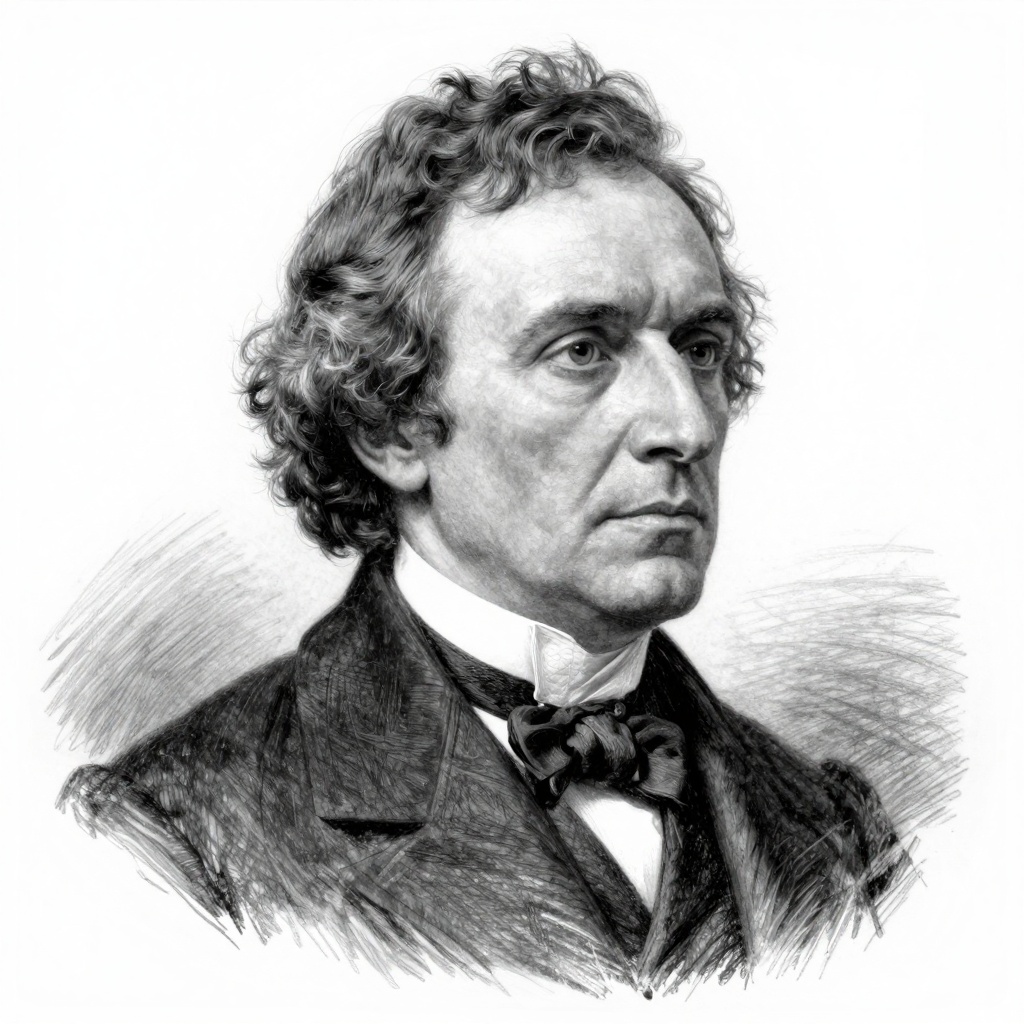
Richard Whately (1787–1863) was a renowned English scholar, theologian, and logician. He is best known for his works on logic and rhetoric, particularly his book "Elements of Logic," which played a key role in the development of logic as a distinct field of study. Additionally, Whately served as the Archbishop of Dublin and made significant contributions to the Anglican Church during his lifetime.
Comments