Quote · Added 14 February 2026
A man who gives his children habits of industry provides for them better than by giving them a fortune.
No ratings yet
Quote · Added 14 February 2026
We often think of legacy as money in the bank, but there's something almost radical about this idea: teaching someone how to work might matter more than handing them cash. A fortune can evaporate through bad luck or poor decisions, but a habit of showing up, pushing through difficulty, and finishing what you start? That compounds quietly over a lifetime.
The tricky part is that habits are harder to give than cash. They require patience, repetition, and sometimes watching your kids struggle when it would be easier to just solve the problem for them. A parent who lets their teenager take a difficult job, or who refuses to bail them out of a self-created mess, is doing something counterintuitive—they're actually being generous. They're saying: I trust you to figure this out, and I trust that learning to work will serve you in ways I simply can't predict.
What makes this relevant now is that we live in an era of shortcuts and outsourcing. We can buy solutions to almost anything. But we can't buy resilience or the quiet confidence that comes from knowing you can handle hard things. That only comes from doing them, often repeatedly, often when nobody's watching.
1787–1863·lived 76 years
Richard Whately (1787–1863) was a renowned English scholar, theologian, and logician. He is best known for his works on logic and rhetoric, particularly his book "Elements of Logic," which played a key role in the development of logic as a distinct field of study. Additionally, Whately served as the Archbishop of Dublin and made significant contributions to the Anglican Church during his lifetime.
Also by Richard Whately
Lose an hour in the morning, and you will spend all day looking for it.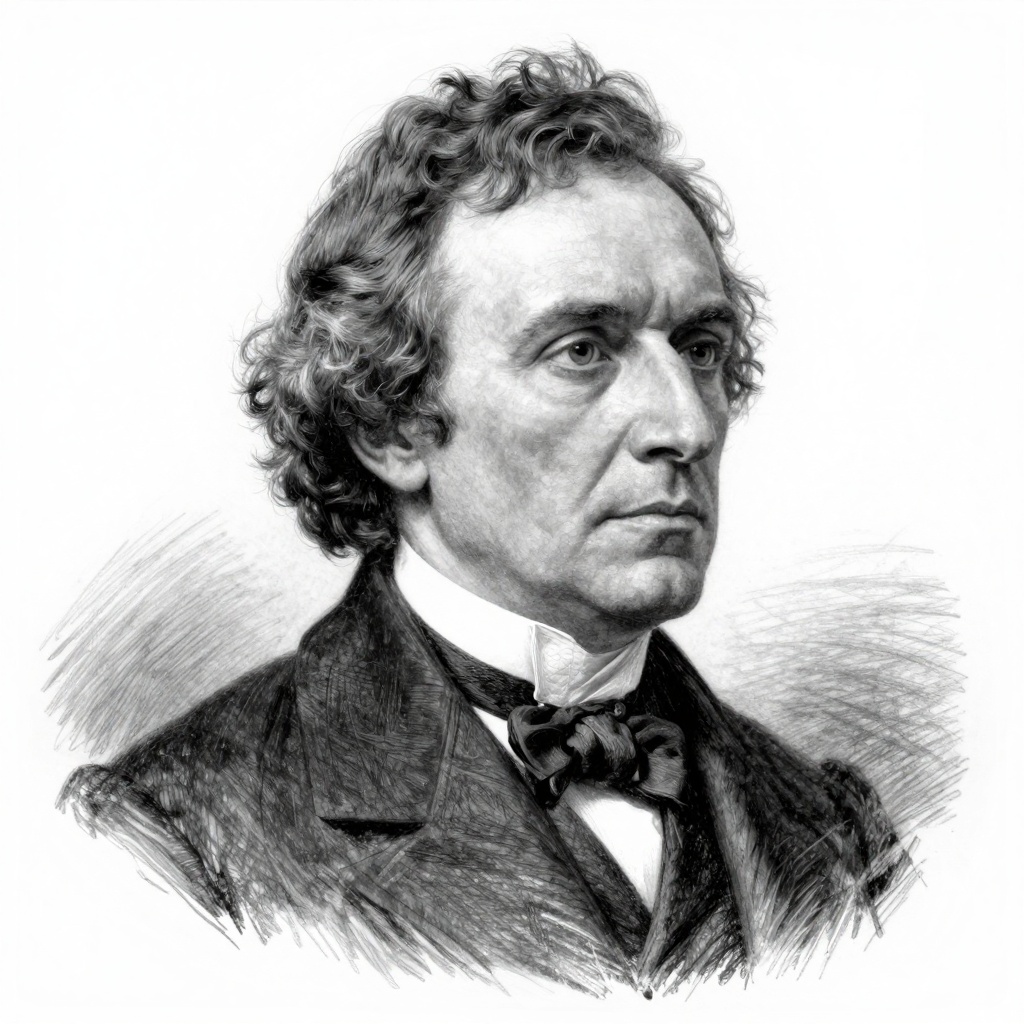
Comments