Quote · Added 6 September 2023
I have no knowledge of myself as I am, but merely as I appear to myself.
René DescartesMeditations on First Philosophy, Meditation II, 1641
No ratings yet
Filed underself·perception·identity
Quote · Added 6 September 2023
Filed underself·perception·identity
We like to think we know ourselves pretty well. But Descartes is pointing at something unsettling: what you call "self-knowledge" is really just your interpretation of how you appear to yourself. You see your own reactions, remember your choices, notice your moods—but you're always observing yourself at a distance, like watching someone else through a foggy window.
This matters more now than ever. We're constantly narrating our own lives on social media, in therapy, to friends. We craft stories about who we are: "I'm the kind of person who..." or "I would never..." But those stories are performances we're giving ourselves. The gap between the story and the actual machinery underneath is bigger than we admit. You might believe you're patient until you're stuck in traffic. You might think you're confident until the moment comes to speak up.
The hidden gift here is freedom. If you're not actually trapped by some fixed self-knowledge, but only by the appearance you're maintaining, then that appearance can shift. It's not about fooling yourself into fakeness. It's recognizing that who you appear to be right now isn't the final truth. You're not finished.
1596–1650·lived 53 years
René Descartes was a French philosopher, mathematician, and scientist known as the "Father of Modern Philosophy". He is famous for his statement "Cogito, ergo sum" (I think, therefore I am), and for his contributions to the development of analytic geometry. Descartes' works laid the foundation for rationalism and had a significant impact on Western philosophy.
Also by René Descartes
It is not enough to have a good mind. The main thing is to use it well.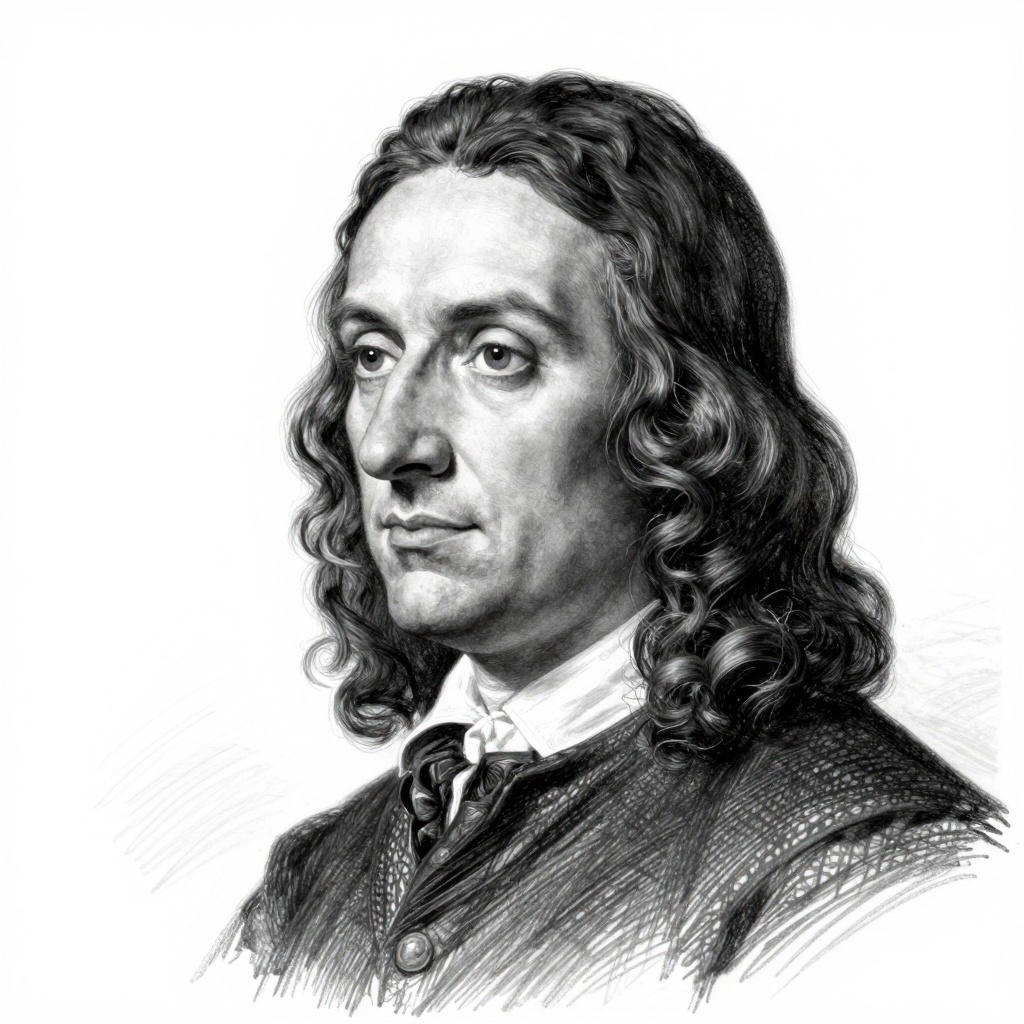
Comments